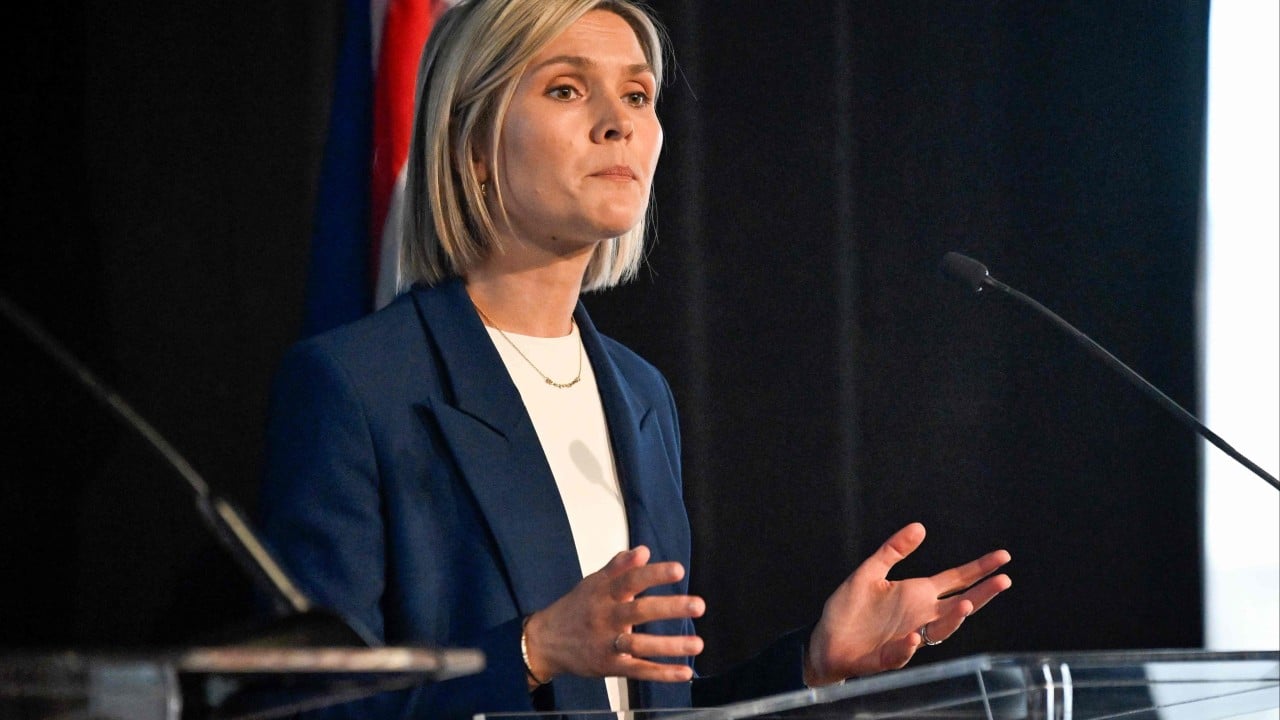
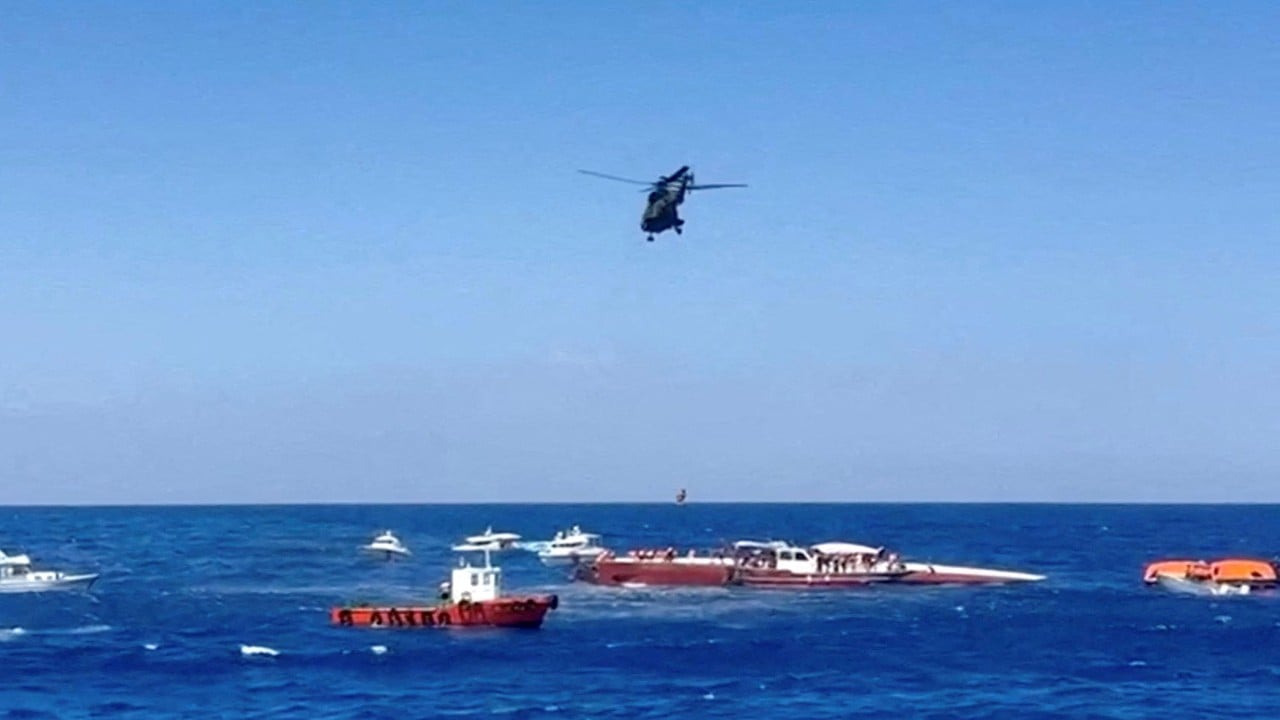
Ten minutes. That is all that stood between total catastrophe and the survival of 1,643 children in the Trishuli Valley. When a wall of glacial ice, rock, and muddy water tore down the mountain on a Wednesday morning, most people froze. Rajendra Dawadi did not.
The headmaster of Tribhuvan Trishuli Secondary School in Nuwakot heard a warning that most bureaucrats would have ignored or verified through three layers of committees. Instead, he rang a school bell, screamed orders, and emptied an entire campus before the river swallowed the concrete buildings whole.
Catastrophes bring out the worst in infrastructure and the absolute best in individual human judgment. Here is what actually happened during the disaster, why the standard crisis manuals failed, and what you can learn from a man who refused to hesitate.
The Morning the Mountain Let Go
Most people picture a flood as a slow-rising overflow caused by heavy monsoon rains. What hit Nuwakot on August 26, 2026, was entirely different. High up near the Tibet border, a massive chunk of the Langtang Lirung peak broke away. A glacier and tons of rock plunged roughly 1,200 meters into the steep gorge of the Lhende Khola river.
The resulting debris torrent didn't just rise; it raced at terrifying speeds down the valley systems.
Dawadi was at his desk when his phone rang at around 9:20 am. A friend calling from five miles upstream in Betrawati delivered a terrifying message: the village was completely gone, taken by the river, and Dawadi needed to run.
Seconds later, a parent rushed into the school grounds to report that the water level was spiking at an impossible rate.
Why Quick Decisions Matter More Than Official Protocols
Schools have safety plans. They have fire drills, evacuation maps, and chain-of-command policies. But manuals rarely account for a 30-meter wave of ice and mud moving at 75 kilometers per hour.
Dawadi faced a choice. He could wait for official confirmation from local authorities, or he could act on a frantic phone call. He chose the latter.
- He rang the emergency school bell immediately.
- He ordered teachers to clear classrooms while roughly 900 children were already on campus.
- He grabbed his phone and called inbound school bus drivers, telling nearly every single one to turn around before reaching the valley floor.
Out of the 1,643 students enrolled, about 700 were still traveling on foot or packed tight into buses. By intercepting those drivers, Dawadi kept hundreds of kids from driving straight into a death trap. One bus slipped through his calls and crossed the bridge just as the span collapsed, but the driver managed to reverse to safety at the absolute last microsecond.
The Human Cost Behind the Heroism
While the children made it to higher ground under a massive bodhi tree, the disaster exacted a heavy toll on the community. Two staff members did not make it out.
Santos Pariyar, a 32-year-old social studies teacher, ran back toward his nearby rented room to grab breakfast items. Sultan Lama, the school janitor, turned back to lock doors and secure the building. Both were swept away by the sudden surge. Their deaths highlight a grim reality of flash floods. Saving lives often requires abandoning property, habits, and routines instantly.
Across Nepal, the broader crisis saw death tolls climb past 700, with thousands remaining missing amid widespread landslides and ruined infrastructure. In moments of massive national trauma, heroes rarely wear uniforms. They wear dusty clothes, hold cheap mobile phones, and make terrifying judgment calls in fractions of a second.
What You Should Take Away From This Crisis
We live in a world obsessed with safety meetings, risk assessments, and consensus building. When an emergency strikes, consensus will kill you.
If you are ever caught in a fast-moving crisis, remember what worked in the Trishuli Valley. Trust reliable frontline reports over institutional confirmation. Cut through bureaucratic delay. Prioritize immediate evacuation over saving physical assets or belongings.
Dawadi brushed off the praise from international journalists and locals alike, noting simply that even if the flood scare turned out to be a false alarm, it was only worth losing a single day of classes. He chose the risk of being wrong over the certainty of being too late. Keep that mindset close the next time you face a critical juncture where waiting for permission feels safer than moving.