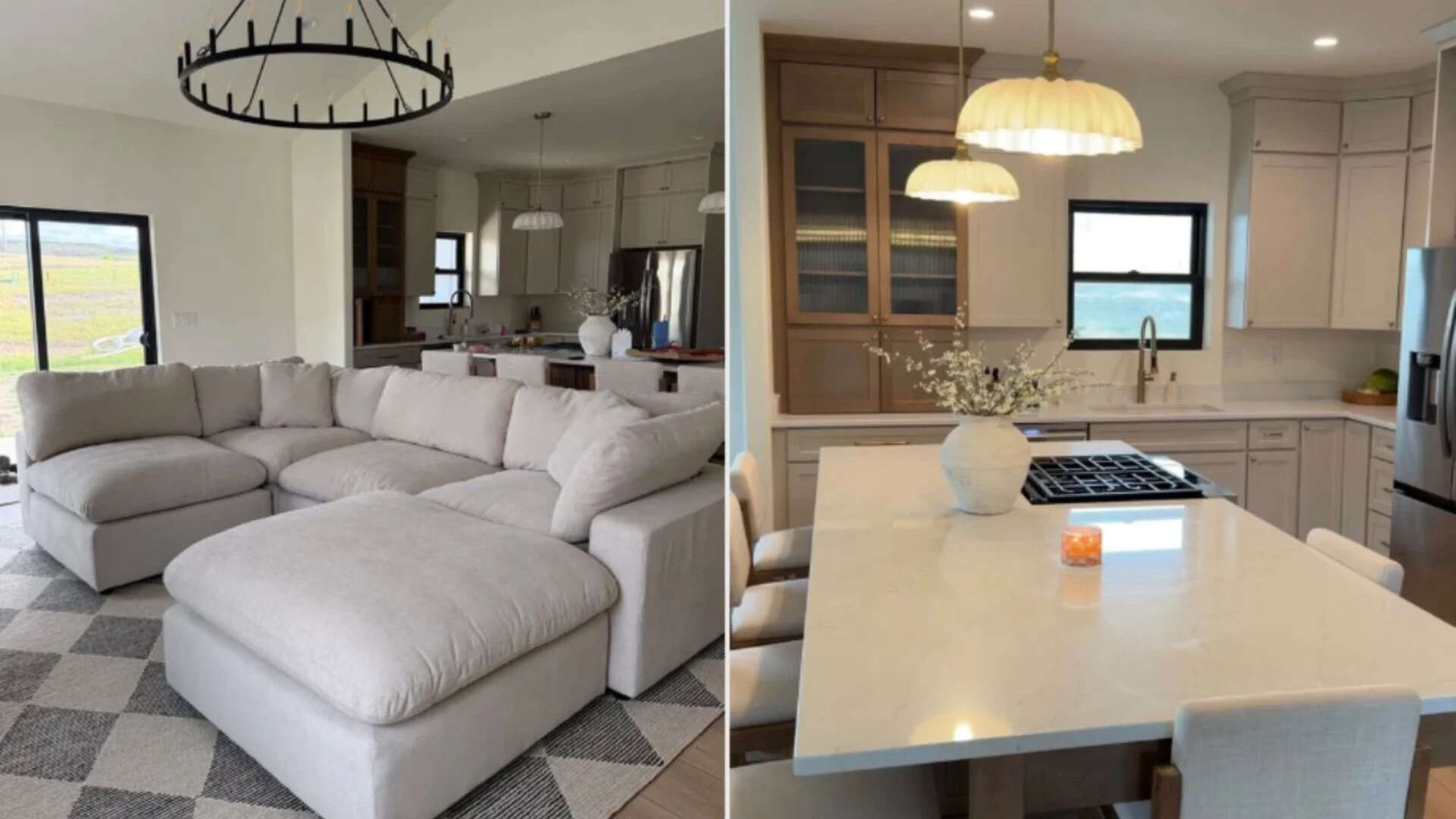
Living in a camper trailer isn't for everyone. Doing it for five straight years while saving every single dollar to construct a massive custom house with your own two hands? That takes a specific kind of obsession.
When you hear about a couple dropping $410,000 to construct a 3,600-square-foot home from scratch, your mind might jump to corner-cutting, cheap materials, or skimpy design choices. Reality looks completely different. DIY homebuilding on this scale isn't about slapping together pre-fab walls and calling it a day. It's a marathon of sweat equity, careful trade management, and living through uncomfortable temporary conditions to dodge decades of crippling mortgage debt.
Building a custom home yourself saves a massive amount of cash, but it costs time, energy, and sanity. If you're eyeing the DIY build route to escape high housing costs, here is how the math, the process, and the sacrifices actually break down.
Living Below Your Means Is the Ultimate Funding Strategy
Most people want the dream house first and figure out how to pay for it later. Flipping that logic on its head is the only reason this project worked.
Moving into a cramped travel trailer sounds miserable to people accustomed to suburban square footage. It is miserable. But cutting housing overhead down to almost zero for half a decade creates an absurd amount of financial momentum. Instead of sending thousands of dollars every month to a bank for rent or a mortgage, every spare cent goes directly into a high-yield savings account or liquid cash fund meant specifically for materials.
When you act as your own general contractor, banks treat you differently. Lenders see self-build projects as high-risk endeavors. Unless you hold an active residential contractor license, getting a traditional construction loan requires showing substantial cash reserves, rock-solid plans, and an airtight budget. Saving aggressive amounts upfront isn't just a nice safety net—it's often the only way to get ground-breaking permission.
Where the $410K Budget Actually Goes
A budget of $410,000 for 3,600 square feet works out to roughly $114 per square foot. In today's residential construction market, where professional custom builders routinely quote $250 to $400+ per square foot, that figure seems almost unbelievable.
How do you pull that off without the building collapsing? You trade labor hours for dollars.
Labor typically accounts for 40% to 50% of total homebuilding costs. When you handle foundation prep work, framing, siding, insulation, drywall hanging, and trim work yourself, you instantly erase hundreds of thousands of dollars in contractor markups.
However, you can't—and shouldn't—do everything alone.
Smart self-builders know their limits. Paying licensed professionals for critical structural, electrical, and plumbing elements isn't just about passing code inspections; it's about not burning your house down or flooding your foundation later.
Here is where the money usually splits on a major DIY build:
- Site prep and utility connections: Heavy excavation, septic installation, land clearing, and running electrical lines from the road take a huge bite out of initial capital before framing even starts.
- Foundation and structural shell: Pouring concrete footings, slab work, lumber packages, and roofing materials represent the biggest hard-material expenses.
- Subcontracted trade work: Paying certified tradespeople for main electrical service panel setups, complex HVAC ducting, and master plumbing connections.
- Interior finishes: Flooring, cabinetry, counters, and fixtures. This category has the widest price variance depending on whether you pick off-the-shelf stock options or high-end custom materials.
The Physical and Emotional Toll of Self-Building
Building a 3,600-square-foot structure isn't a weekend DIY project. It is thousands of hours of heavy manual labor stacked on top of a normal job schedule.
[Image of a custom timber frame house under construction]
Framing walls in sub-zero weather or installing roof decking under a blazing summer sun tests your willpower fast. You will spend nights reading local building codes, re-measuring material orders, and stressing over failed inspections.
Relationships take a beating during a self-build. Spending all day at work only to head straight to a dusty construction site until midnight strains even the tightest partnerships. Living in tight quarters like a trailer during this process compresses that pressure even further. You lose personal space. You live surrounded by mud, tools, and incomplete blueprints.
If you aren't prepared for the psychological weight of prolonged discomfort, a self-build will crush you long before the drywall goes up.
Key Takeaways for Future DIY Builders
If you want to follow a similar blueprint, start planning years before you buy land.
First, study your local zoning laws. Some counties strictly prohibit living in an RV or travel trailer on your own land while building a primary residence, while others permit it for up to two years with a temporary building permit. Knowing these rules beforehand stops costly legal battles with local planning boards.
Second, get comfortable with trade skills today. Take framing classes, learn basic finish carpentry, or volunteer on construction sites. The more skills you master before breaking ground, the less cash you pay out when materials arrive.
Finally, build a buffer into your budget and timeline. Material prices fluctuate constantly, permit fees add up, and weather delays happen. Take your estimated build time, double it, and add 20% to your emergency cash reserves.
Building your own home for a fraction of market value requires extreme discipline, but walking into a mortgage-free custom home you built with your own hands makes every cramped night in a trailer worth it.