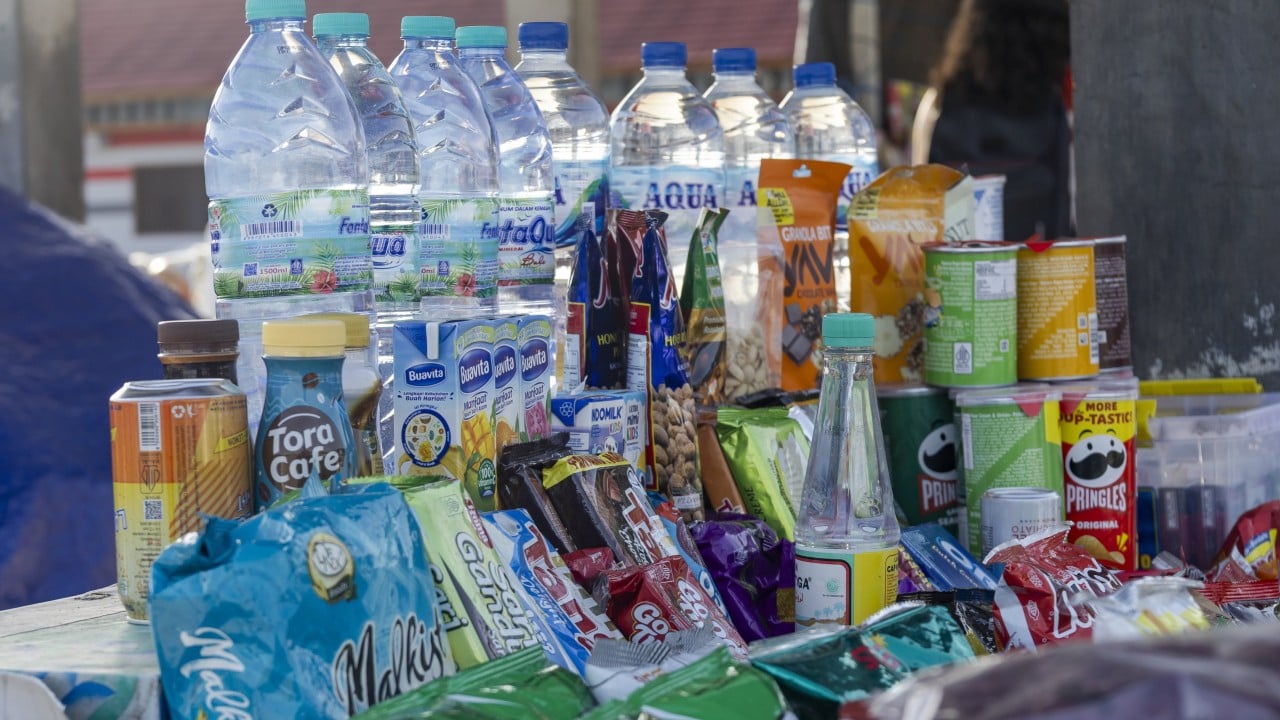
Indonesia is finally rolling out a front-of-package labeling system to curb a national obesity crisis that has reached a breaking point. The plan involves a color-coded "Nutri-Grade" scale, ranging from Grade A for the healthiest options to Grade D for those saturated with sugar and fats. This move follows a decade of explosive growth in the ultra-processed food sector, where sugar-laden beverages have become cheaper and more accessible than clean drinking water in many rural provinces. While the Ministry of Health frames this as a win for transparency, the reality on the ground suggests that a simple sticker cannot undo a systemic addiction to cheap glucose.
The core intent of the labeling is to provide a visual shorthand for nutritional value, similar to systems already active in Singapore and parts of Europe. By forcing manufacturers to display a Grade D on high-sugar drinks, the government hopes to trigger a "shame response" in the market. They expect consumers to pivot toward healthier choices and, more importantly, they expect companies to reformulate their recipes to avoid the dreaded red label. However, the effectiveness of this policy hinges on whether a population struggling with rising food costs cares more about a letter on a bottle than the calorie-per-rupiah value of their lunch.
The Sugar Lobby and the Art of Reformulation
The Indonesian food and beverage industry is not a monolith, but its biggest players share a common goal: protecting margins in a price-sensitive market. These companies have known this regulation was coming for years. In the boardrooms of Jakarta, the strategy is rarely about making products "healthy" in a holistic sense. Instead, it is about "gaming the grade."
We are seeing a rush to replace cane sugar with high-intensity artificial sweeteners. While this might drop a beverage from a Grade D to a Grade B on paper, it does little to address the metabolic issues associated with highly processed diets. The human brain still receives the signal of intense sweetness, maintaining the craving for sugary profiles. Furthermore, the long-term impact of certain synthetic sweeteners on gut microbiota remains a subject of heated scientific debate. The labels measure sugar content, but they don't necessarily measure quality.
The industry is also pushing back on the implementation timeline. Lobbying groups argue that the cost of redesigning packaging and testing thousands of products will lead to price hikes for the consumer. It is a classic defensive maneuver. By framing health regulations as a tax on the poor, they attempt to stall the mandate. Yet, the cost of the status quo is even higher. Indonesia's national health insurance system, BPJS Kesehatan, is bleeding funds as it attempts to manage a surge in Type 2 diabetes and cardiovascular disease among people in their twenties and thirties.
Why the Labels Might Fail the Rural Test
Go into any warung—the small, family-run kiosks that form the backbone of Indonesia’s retail economy—and you will see the challenge firsthand. These shops are plastered with advertisements for "teh kemasan" (packaged tea) and instant coffees that are essentially flavored sugar packets. In these environments, branding and price are the only metrics that matter.
A Nutri-Grade label is a middle-class solution to a universal problem. For a white-collar worker in a Jakarta supermarket, the difference between a B and a C might influence a purchase. For a laborer in East Java who needs 3,000 calories to get through a day of manual work, a cheap, cold, high-sugar drink provides a quick energy hit that feels necessary. Nutrition literacy is low, and the government’s communication strategy hasn't yet bridged the gap between a bureaucratic grading system and the daily survival tactics of the working class.
There is also the "Halo Effect" to consider. When a product receives a Grade B, consumers often perceive it as a "health food" rather than just "slightly less bad." If a brand reduces sugar just enough to hit the B threshold but keeps high levels of sodium or saturated fat, the label might inadvertently encourage higher consumption. It creates a false sense of security.
The Missing Piece of the Policy
If Indonesia wants to actually move the needle on obesity, labeling is a secondary tool. The primary tool—one the government has hesitated to wield with full force—is a comprehensive sugar tax.
A label asks the consumer to be responsible. A tax forces the manufacturer to change. When Singapore implemented its version of these labels, it was backed by a ban on advertisements for the lowest-graded drinks. Indonesia is moving toward similar restrictions, but the enforcement mechanisms remain opaque. Without a financial penalty that makes sugar-heavy production more expensive than healthy alternatives, the industry will simply find ways to market around the labels.
Consider the "Small Format" loophole. In many developing markets, manufacturers skirt regulations by selling products in tiny, single-serve sachets that fall under different labeling requirements or are too small for the warnings to be legible. Indonesia’s street-side economy thrives on these sachets. If the Nutri-Grade system doesn't apply strictly to every single unit sold, regardless of size, the most vulnerable populations will remain exposed to the highest concentrations of sugar.
Breaking the Corporate Dependency
The government faces a delicate balancing act. The food and beverage sector is a massive employer and a significant contributor to GDP. Cracking down too hard risks economic friction. However, the "softly-softly" approach has failed for twenty years. The rise of "non-communicable diseases" is no longer a future threat; it is a current epidemic that threatens to derail the country’s "Golden Indonesia 2045" vision.
We must look at the supply chain. Indonesia is one of the world's largest producers of palm oil and a massive importer of sugar. The economy is literally built on the ingredients that are making the population sick. Real change would involve subsidizing the production of local fruits, vegetables, and clean water infrastructure so that a bottle of water doesn't cost more than a cup of sugary tea.
The labels are a start, but they are not a solution. They provide data in a vacuum. Without a massive increase in public health funding, stricter advertising bans for children, and a tax that actually hurts the bottom line of big soda, the Nutri-Grade system will be nothing more than a colorful distraction on a dying man's grocery list.
The real test will come in the next twenty-four months. If we see a genuine shift in product formulations—not just a shift in which chemicals are used to provide sweetness—then the policy has teeth. If the shelves remain packed with the same neon-colored liquids, just with a small "C" or "D" tucked in the corner, we will know that the sugar lobby has won again.
Success isn't measured by how many labels are printed. It is measured by the number of dialysis centers that don't need to be built in the next decade. The government must decide if it is more afraid of the food industry's lobbyists or the long-term collapse of its own healthcare system.
Stop looking at the labels and start looking at the price of water.