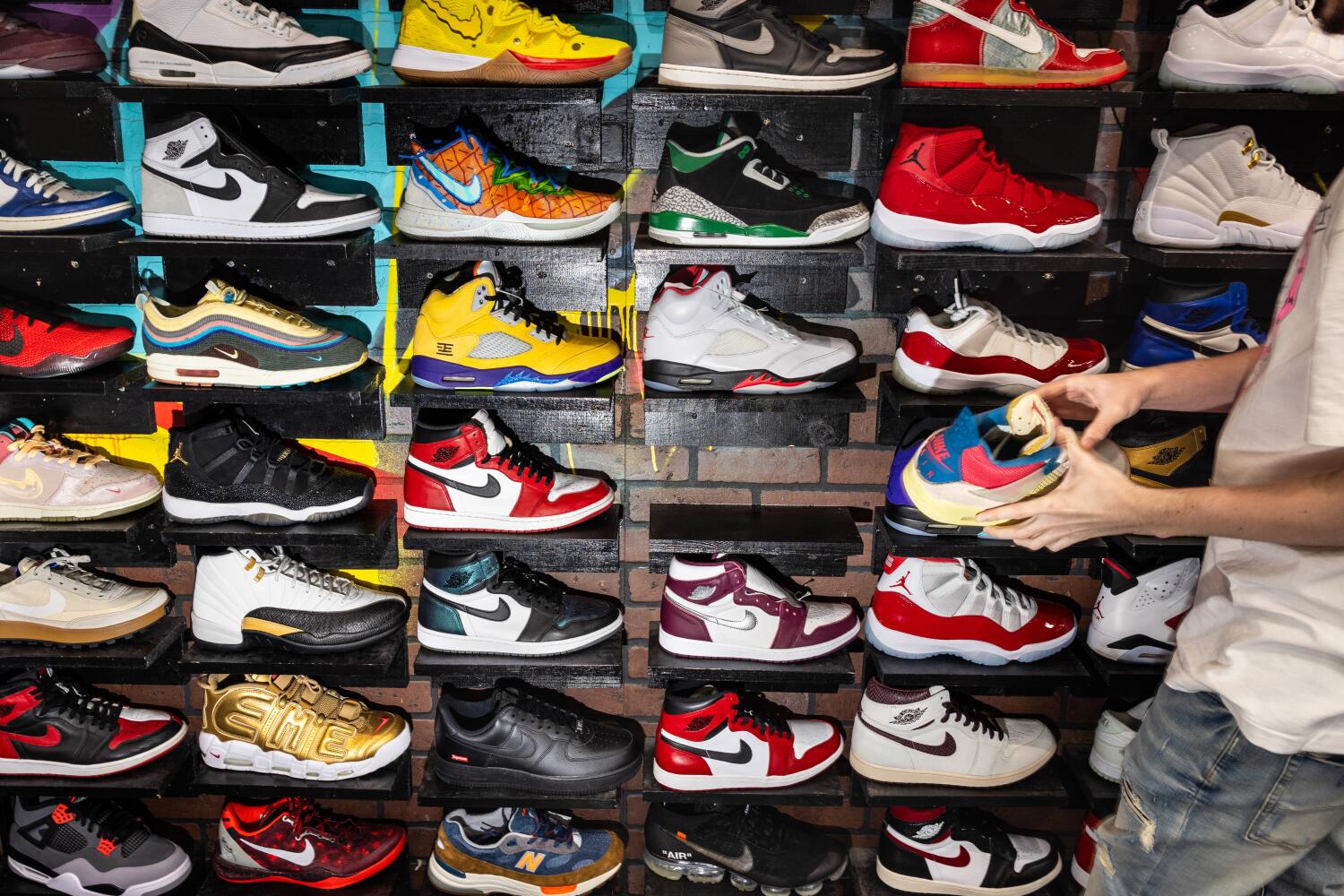
Every mainstream media outlet lost its collective mind when federal prosecutors detailed how a crew of insiders allegedly conspired to loot millions of dollars in limited-edition footwear from Nike supply chains. Headlines shrieked about corporate governance failures, security lapses, and bad actors corrupting a pristine institution. The lazy consensus points the finger at weak warehouse protocols. People assume Nike execs and logistics partners are crying into their quarterly earnings reports, wishing for tighter locks and more paranoid guards.
That view is entirely wrong. Expanding on this idea, you can also read: Why Rent Control Destroys the Very People It Claims to Save.
I have spent years watching the inner workings of elite sports apparel conglomerates, and I have seen brands blow millions trying to solve problems they secretly benefit from. Let us look past the righteous indignation of the courtroom indictment. Scarcity is not an accident of bad logistics. Scarcity is the primary engine of modern sneaker culture, and internal leakage is often the grease that keeps that engine screaming at maximum RPM.
The Economics of Manufactured Rarity
Forget the naive narrative that a multi-billion-dollar global titan is helpless against a few guys with manifestos and warehouse badges. Nike operates one of the most sophisticated supply chain tracking operations on the planet. They know where every pallet of Air Jordans sits down to the individual serial number. When millions in inventory vanish out the back door, it is not because the security team fell asleep. It is because the cost of stopping every leak outweighs the marketing return of the leak itself. Experts at Harvard Business Review have shared their thoughts on this matter.
High-end streetwear does not run on supply and demand textbooks. It runs on artificial scarcity, hype loops, and secondary market liquidity. If every kid who wanted a pair of Travis Scott collaborations could walk into a Foot Locker and buy them off a shelf for retail price, the cultural cachet evaporates overnight. The entire ecosystem depends on the gray market. The gray market depends on inventory escaping traditional distribution channels.
When insiders siphon off inventory, they are not just committing a criminal act; they are acting as the shadow distribution network for the brand's most fervent evangelists. They feed the resale platforms. They feed the TikTok unboxing channels. They feed the endless cycle of forum chatter that turns a piece of molded plastic and synthetic leather into an appreciating asset class.
Dismantling The Security Myth
Ask the average person how to fix retail theft rings, and they will tell you to install more cameras, hire private investigators, and subject warehouse workers to strip-search protocols. This is the standard compliance mindset. It misses the structural reality of modern manufacturing.
To understand why traditional security fails, you must understand the mechanics of third-party logistics. Brands like Nike rarely own every link in their physical transport chain. They outsource warehousing and regional fulfillment to contractors working on thin margins with high employee turnover. When you pay warehouse pickers minimum wage while they process merchandise worth more than their annual salary in a single shift, you do not have a security problem. You have an economic design flaw.
Companies could lock down distribution centers completely. They could use biometric vaults, armed escorts for every shipping container, and military-grade tracking on every box. But they do not. Why? Because friction kills velocity. The moment you introduce absolute security into a high-volume supply chain, your speed to market drops, your operational costs skyrocket, and your margins compress.
Nike calculates the acceptable loss threshold. They factor shrink, theft, and insider leakage into their cost of goods sold. The criminal indictments make great theater for the Department of Justice, but inside corporate headquarters, stolen inventory is often written off as a bizarre, unauthorized marketing expense that happened to generate billions in earned media.
The Real Crime Is The Illusion
The public scandal focuses on the conspiracy to steal shoes. The real conspiracy is the illusion that these brands are passive victims of their own success.
Every time a high-profile theft hits the news, the brand gets a free PR cycle that reinforces the message: These shoes are so valuable that people are literally committing federal crimes to get them. No PR agency on earth could buy that level of organic street credibility. It elevates athletic footwear from a commodity product into contraband. It transforms a pair of sneakers into something illicit, dangerous, and intensely desirable.
When you look at the indictment documents, look past the names and the dollar amounts. Look at the free advertising. Look at how the narrative centers on the sheer magnitude of the loot. The media acts as an unpaid marketing arm for Nike, broadcasting the undeniable desirability of the product to millions of consumers who might otherwise have ignored the drop.
Stop treating sneaker theft as a breakdown of corporate morality. It is a feature of an unhinged hype economy that feeds on its own supply constraints. As long as cultural relevance is tied directly to exclusivity, insiders will keep finding ways to smuggle the goods out, and the market will keep paying top dollar to bring them back in.


.png?width=1200&auto=webp&trim=0%2C0%2C0%2C0)