The hour is three in the morning. The house is entirely still, save for the rhythmic breathing of a sleeping family down the hall. In the bedroom, the digital clock glows an indifferent blue. Nothing moves. Nothing rustles. Yet, beneath the crisp white seams of the mattress, an ancient predator stirs.
It does not bark. It does not fly with an annoying buzz. It travels in the silent dark, drawn by the carbon dioxide exhaled in human dreams.
For decades, society dismissed these creatures as a relic of old folklore, a minor nuisance relegated to nursery rhymes and cheap motels. That comfort was an illusion. Today, bedbug infestations are climbing upward with relentless momentum, and entomologists, epidemiologists, and unfortunate homeowners are realizing a terrifying truth: they are far more dangerous to human health than we ever acknowledged.
Consider Sarah, a graphic designer who prides herself on living in a meticulously maintained, modern apartment. She didn't find a bug crawling across her pillow. Instead, she woke up with a jagged row of angry, inflamed welts across her forearm. She blamed mosquitoes. Then came the second week, and the third. The itching turned into a maddening, skin-ripping obsession. When she finally turned over the box spring, her stomach dropped.
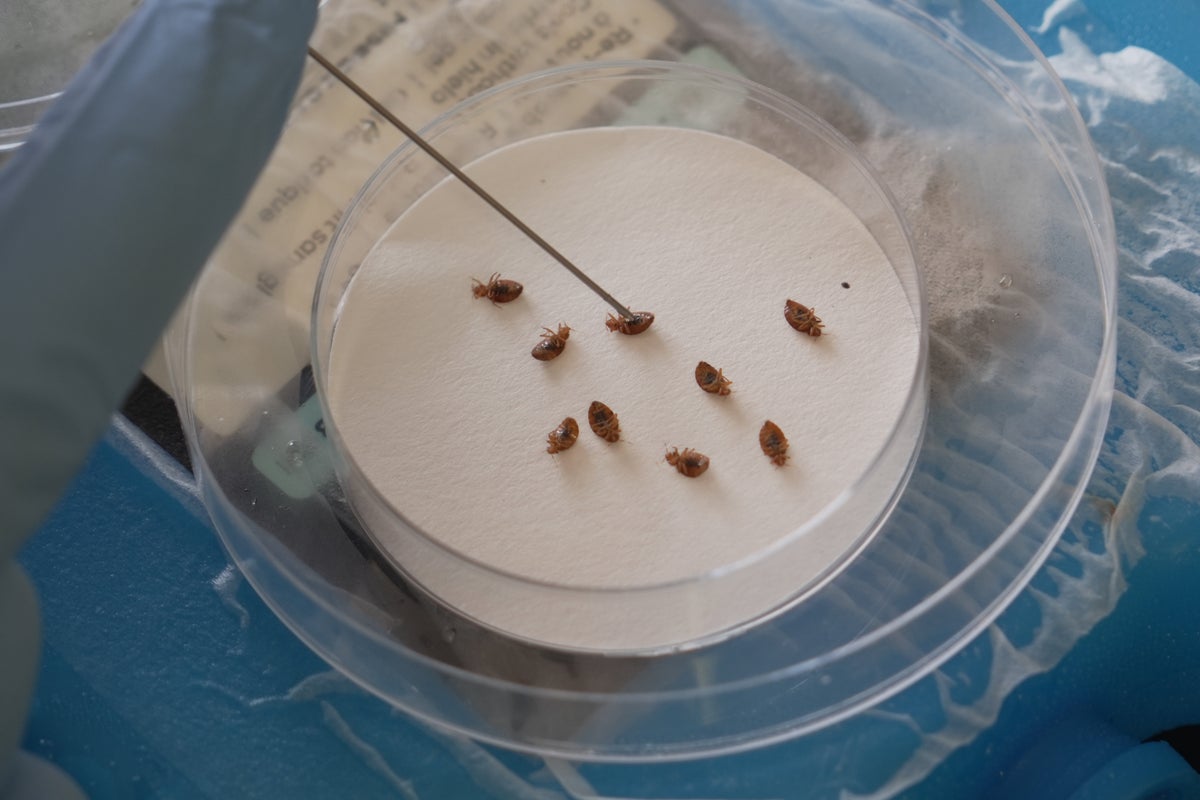
Dark smudges. Tiny translucent shells. And them. Hundreds of them, scattering from the light like grains of pepper endowed with legs.
That shock is happening in bedrooms across the country right now. But the physical bites—as painful and psychologically damaging as they are—represent only the visible surface of the threat.
The Invisible Toll
We talk endlessly about physical pathogens, bacteria, and viruses. We wash our hands and sanitize door handles. We forget that our psychological sanctuary is porous.
When an infestation takes root, the human cost begins immediately. Sleep vanishes. Every phantom tickle on a bare leg becomes a potential invader. People stop inviting friends over. They throw away family heirlooms, thousands of dollars in furniture, and their own sense of safety. Insomnia settles in like a permanent resident. Anxiety spikes. Depression follows closely behind.
(Note: This psychological weight is not a temporary annoyance; clinical studies increasingly link chronic bedbug exposure to severe post-traumatic stress symptoms and debilitating sleep deprivation.)
Beyond the mental strain, the medical community is grappling with emerging evidence regarding pathogen transmission. While classical textbooks long maintained that these pests do not vector human diseases, modern virologists are looking closer at the reality of urban vectors. Pathogens hitch rides in environments we assumed were sterile. More directly, severe secondary skin infections—such as cellulitis and impetiso—frequently arise from the relentless scratching of contaminated skin.
How We Got It Wrong
Why are we losing ground?
Human hubris plays a massive role. We assumed chemical eradication had won the war decades ago. Pesticides like DDT wiped out the vast majority of populations in the mid-twentieth century, lulling us into a false sense of permanent victory.
Evolution laughed at our arrogance.
Over the decades, surviving lineages developed striking genetic resistance. Standard consumer sprays that once spelled instant doom now serve as minor inconveniences to modern strains. They have armored themselves against our chemistry.
Furthermore, our globalized lifestyle acts as an invisible highway. We travel across continents in hours, tossing luggage into hotel closets, airport bins, and rideshare trunks. A single pregnant female tucked inside the zipper of a suitcase can cross an ocean, check into a luxury penthouse or a budget hostel, and establish a subterranean empire within weeks.
They are remarkably resilient. They can survive for months without a single meal, waiting in the cracks of baseboards and electrical outlets, dormant and patient.
Facing the Reality
Ignorance is no longer a shield. Pretending that infestations only happen in unhygienic spaces is a dangerous myth that allows the problem to spread quietly among those too ashamed to report it.
Look behind the headboard. Inspect the seams of secondhand furniture purchased online with excitement. Check hotel room mattress piping before unpacking a single shirt. Awareness is the first line of defense, but vigilance is the permanent requirement.
If you find them, do not panic, and definitely do not rely on store-bought foggers that merely scatter the colony deeper into your walls. True eradication demands precision, extreme heat, professional thermal treatments, and an unyielding commitment to disruption.
The dark bedroom remains quiet tonight. Somewhere down the hall, a child breathes softly in the dark. The mattress holds its secrets. But knowledge changes the power dynamic. We are no longer sleepwalking into the infestation. We are awake, watching, and ready to take our homes back.