The coffee in the porcelain cup was still warm, sitting on a low teak table in a quiet living room in downtown Abu Dhabi, when the world outside abruptly stopped making sense. It was supposed to be a Tuesday like any other. Air conditioners hummed against the desert heat. Traffic flowed in rhythmic, predictable pulses along the arterial highways. Inside thousands of homes, families prepared for evening routines, entirely unaware that the geography of their safety had just shifted.
Then came the sound.
It was not a crack of thunder. Thunder belongs to the clouds, to rain and seasonal shifts. This was a heavy, metallic tear, a violent ripping of the upper atmosphere that rattled windowpanes in their frames and set car alarms howling up and down the boulevard. People stepped out onto balconies, squinting into the warm Arabian night, searching for an explanation in the stars.
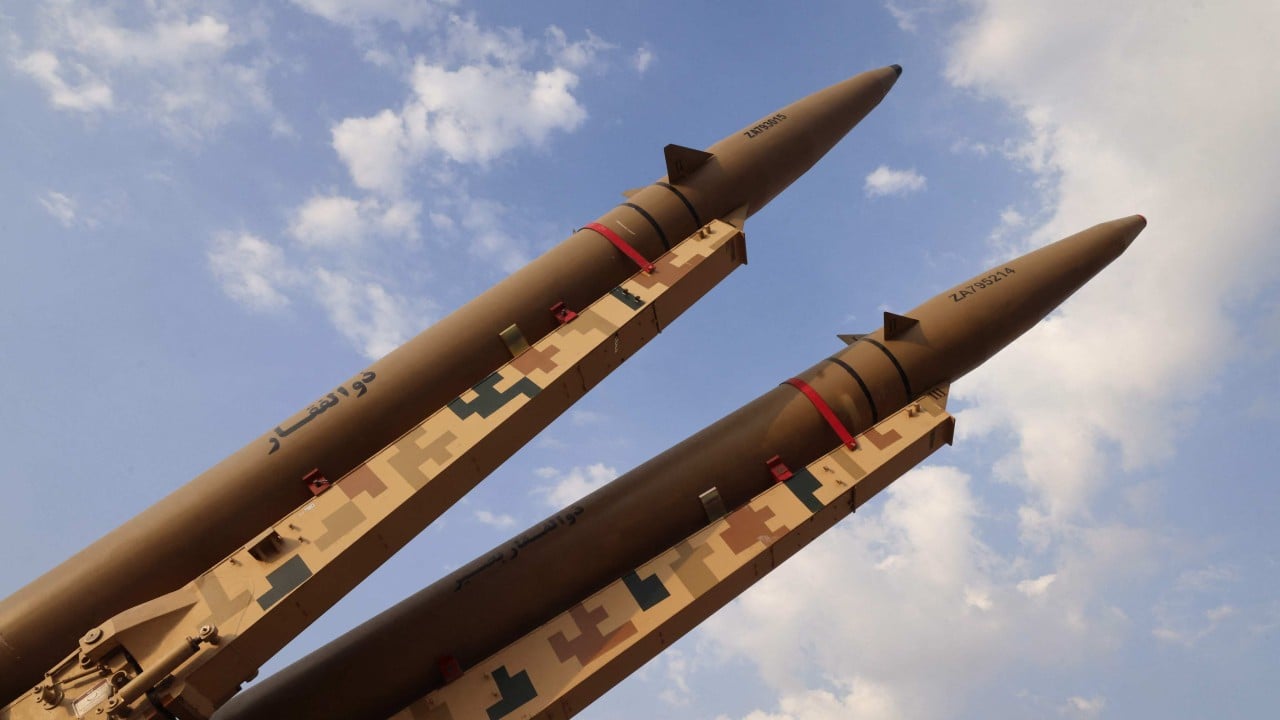
What they did not see, but what military radar screens tracked with terrifying precision, was the arrival of two uninvited messengers streaking across the dark.
According to official reports from the United Arab Emirates, two Iranian ballistic missiles had been fired toward its territory. Two sudden streaks of volatile technology cutting through sovereign airspace. Two metallic projectiles carrying an escalation that millions of people wake up every single day praying they will never have to witness.
Consider what happens next in the quiet command centers miles away from those balconies.
In a darkened room illuminated by the ghostly green and amber glow of tactical displays, defense operators do not have the luxury of panic. They have seconds. Decisions are made not with grand political speeches, but with frantic keystrokes, split-second calculations, and the terrifying realization that an incoming threat cares nothing for civilian sleep schedules, children's bedrooms, or the fragile architecture of regional diplomacy.
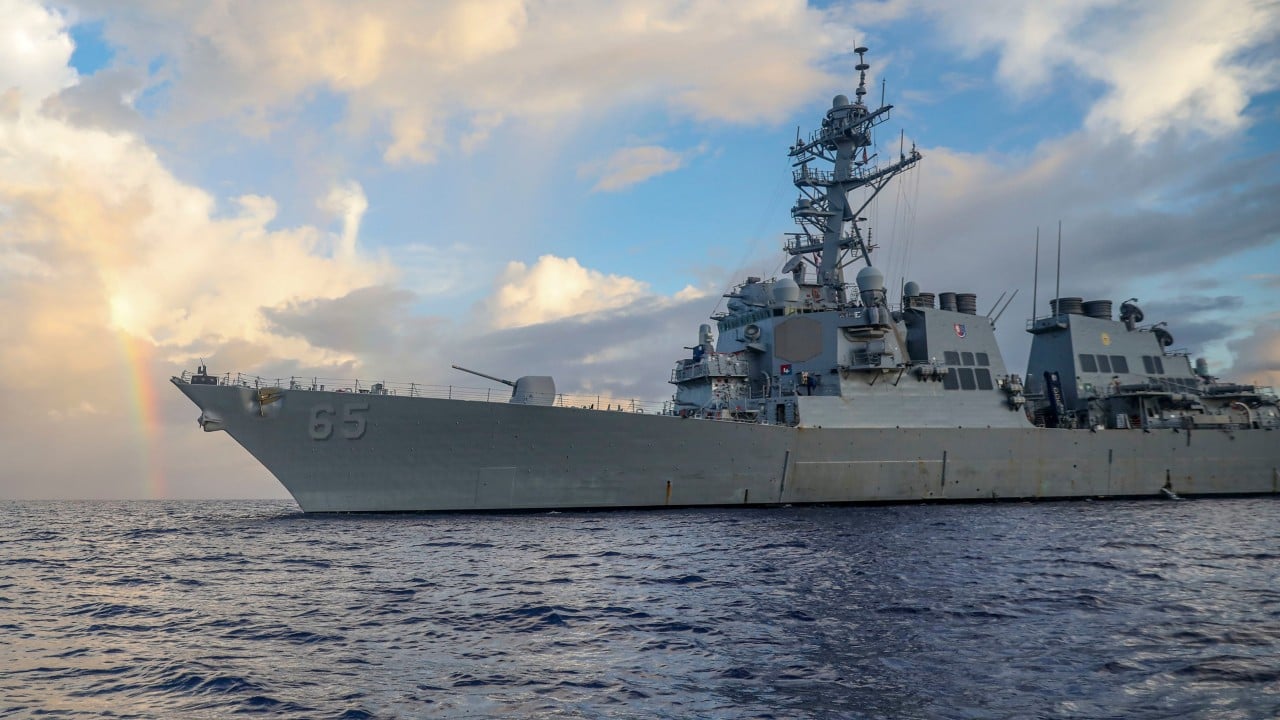
Patriot batteries and advanced interceptor systems, built over decades of cautious military engineering, whirred to life. To understand the physics of what happens next, imagine throwing a speeding bullet out of the air with another bullet traveling three times as fast, all while blindfolded in a hurricane. That is missile defense. It is an exercise in extreme mathematical violence designed to prevent a much larger tragedy.
The defense systems engaged. The incoming missiles were intercepted.
Silence rushed back in to fill the void, but it was a heavy, bruised silence. The kind that lingers long after the smoke clears and the sirens fade.
For the people living through these moments, the abstract language of international relations—sanctions, proxy wars, deterrence, and airspace violations—suddenly sheds its academic veneer. It becomes very personal. It becomes the sudden grip of a parent's hand on a child's shoulder. It becomes the frantic exchange of text messages to family members across town: Are you okay? Did you hear that?
Geopolitics rarely feels like a map in moments like these. It feels like the vibration in your floorboards. It feels like the uncertainty of what tomorrow's sunrise might bring.
The United Arab Emirates has long positioned itself as an oasis of stability in a volatile neighborhood. Skyscrapers pierce the clouds as monuments to commerce, tourism, and a future-facing vision that defies the harsh desert climate. Ports hum with global trade. Airports serve as the bustling crossroads of the world. That entire economic and social miracle rests on a single, invisible foundation: security.
When a foreign power lobs missiles across that invisible boundary, the psychological cost far outweighs the physical damage.
Think about the merchant walking the gold souk, the software engineer writing code in a glass tower, the teacher planning tomorrow's lesson. They do not wake up thinking about ballistic trajectories. They trust the state to hold the sky up. When that sky cracks, the illusion of safety fractures right along with it, leaving behind a jittery awareness that peace is a glass sculpture guarded by a very fragile margin of error.
History is filled with these inflection points. We love to look back at major conflicts and trace them along neat, logical timelines in history books, as if war were a series of well-reasoned chess moves. It never is. War is a cascade of accidents, miscalculations, midnight decisions, and terrifying sparks that threaten to catch fire in a dry forest.
When regional tensions spill over into direct territorial aggression, the shockwaves ripple far beyond the immediate blast radius. Energy markets twitch. Shipping lanes brace for disruption. Diplomats in Geneva, Washington, Tehran, and Riyadh scramble to decipher intent. Was this a test of boundaries? A message sent through fire? A tactical escalation designed to force a response?
No matter the answer behind closed doors, the human reality remains unchanged.
The morning after the interception, the sun rose over Abu Dhabi with the same merciless brilliance. Traffic resumed. Workers poured out of metro stations. Life, stubborn and resilient, went back to its prescribed shape because human beings have an astonishing capacity to adapt to the shadow of danger. We have to. If we stopped every time the world threatened to break, we would never take another step forward.
Yet, beneath that veneer of normalcy, something fundamental has shifted.
The coffee cups are still warm. The windows are unbroken. But the people walking those streets know a secret that the morning news anchors try to smooth over with calm cadences and expert analysis. They know how thin the line is between a quiet Tuesday night and a catastrophe. They know that somewhere out there in the dark, the sky is never truly empty, and the peace we enjoy is only ever as strong as the vigilance of those watching the radar.