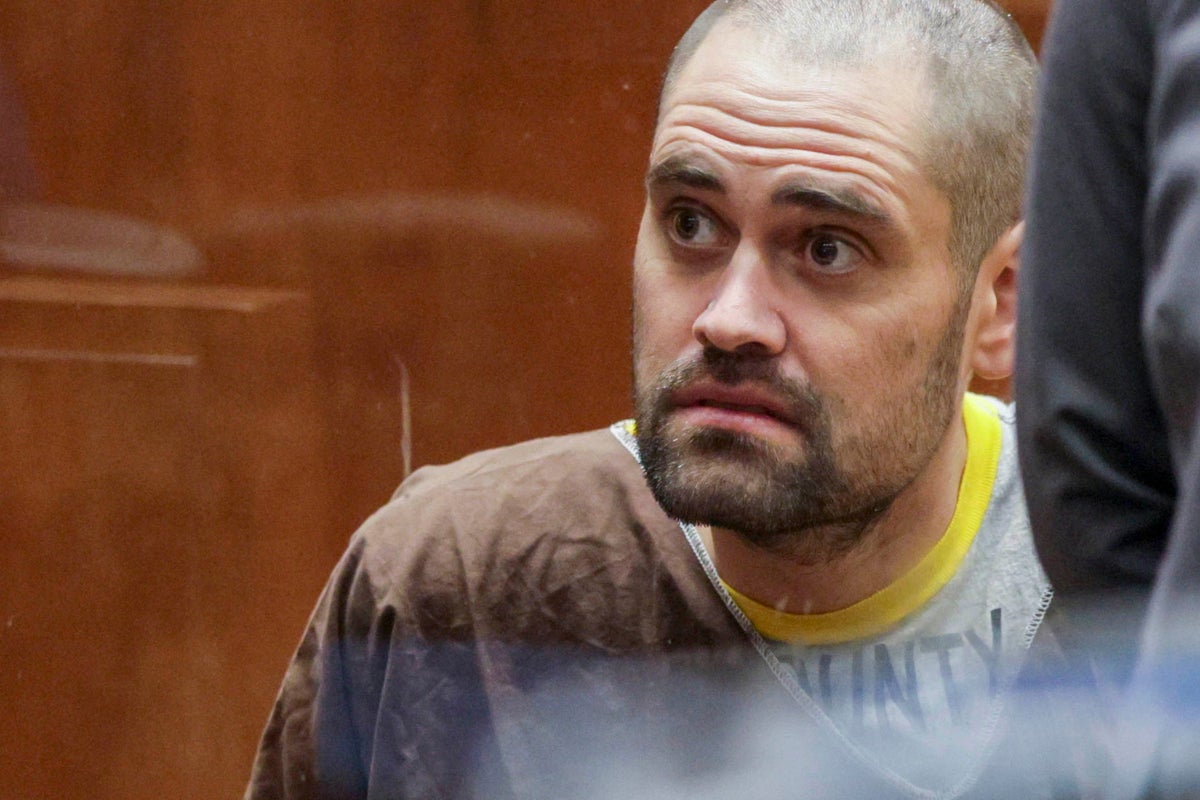
The legal battle surrounding the trust fund of Nick Reiner, the man accused of murdering his parents, Rob and Michele Singer Reiner, has reached a critical point. While many assume a beneficiary has an absolute right to their inheritance, reality is rarely that simple. Especially when you’re facing murder charges for the very people who wrote the checks.
Trustees have officially denied Nick Reiner access to his trust, which is estimated to contain around $1.5 million. The move is a stark reminder that legal documents aren’t always as ironclad as they appear. If you’re involved in estate planning or trust management, it’s worth understanding why these protections exist and how they’re currently being tested in court.
The Slayer Statute Barrier
The core reason for the denial is a legal concept known as the "slayer statute." This rule is designed to prevent a person from profiting from a crime they committed against the person who provided them with assets. It’s a foundational principle in probate and trust law. The logic is straightforward: you shouldn’t be able to kill someone to speed up your inheritance.
In the case of Nick Reiner, the trustees are invoking this protection to stop the dispersal of funds. Even though Reiner’s legal team argues that he is "presumed innocent" and entitled to use his own resources for his defense, the trustees are holding the line. They aren’t interested in the nuances of his criminal trial right now. They’re focused on the potential legal fallout if they released those funds and the accusations against Reiner were proven true.
Why Trust Rules Often Fail Under Pressure
Most people treat a trust like a guaranteed bank account. They believe that once they turn a certain age—in this case, 30—the money should just show up. But trusts are managed by people, not just algorithms. Trustees have a fiduciary duty, which means they’re legally obligated to act in the best interests of the trust itself.
When a trustee sees a beneficiary facing high-stakes criminal charges for the deaths of the grantors, they are in a precarious spot. If they release the money and a court later convicts the beneficiary, they could face massive liability for violating the intent of the trust. Trustees are almost always going to err on the side of caution.
Think of it this way: if you’re a trustee, do you want to be the person who handed a million dollars to an accused murderer, or the person who told a judge you needed a court order before opening the vault?
Misconceptions About Inheritance Rights
A common mistake is thinking that trust language is absolute. People often draft documents with rigid age-based distribution schedules, assuming these will always be followed to the letter. But the real world is messy.
- Discretionary Authority: Many trustees have broad discretion. If they have concerns about a beneficiary’s mental state, addiction history, or legal status, they can often pause distributions.
- Litigation Delays: When a family member is accused of killing the grantors, the trust effectively enters a period of suspended animation. No one is going to sign off on a distribution while the air is this toxic.
- The Cost of Access: Reiner’s attempt to force the distribution through the court system is already costing money. Even if he eventually won a payout, a significant portion would likely be swallowed by the legal fees required to challenge the trustees.
The Practical Reality for Beneficiaries
If you’re drafting a trust or planning your own estate, look at what’s happening here as a cautionary tale. You have to anticipate the "worst-case scenario." Most people focus on tax efficiency and asset protection, but they forget about behavioral clauses and trustee powers.
If you don't want a beneficiary to touch money while they’re facing legal trouble, you need to be explicit. If you do want them to have money regardless of their actions, you need an even more bulletproof set of instructions. Most importantly, pick a trustee who has the spine to handle conflict.
The case of Nick Reiner isn’t just a high-profile celebrity news story. It’s a masterclass in how legal systems handle the intersection of inheritance and violent crime. It’s a situation where the law doesn't care about your "right" to money if your actions have fundamentally broken the contract you had with your parents.
Reiner remains in custody without bail as he awaits further proceedings, and the path to that $1.5 million is effectively blocked for the foreseeable future. The takeaway is simple: trust law is designed to protect assets from being misused, and when a crime like this occurs, the law usually favors the protection of the estate over the rights of the accused.


