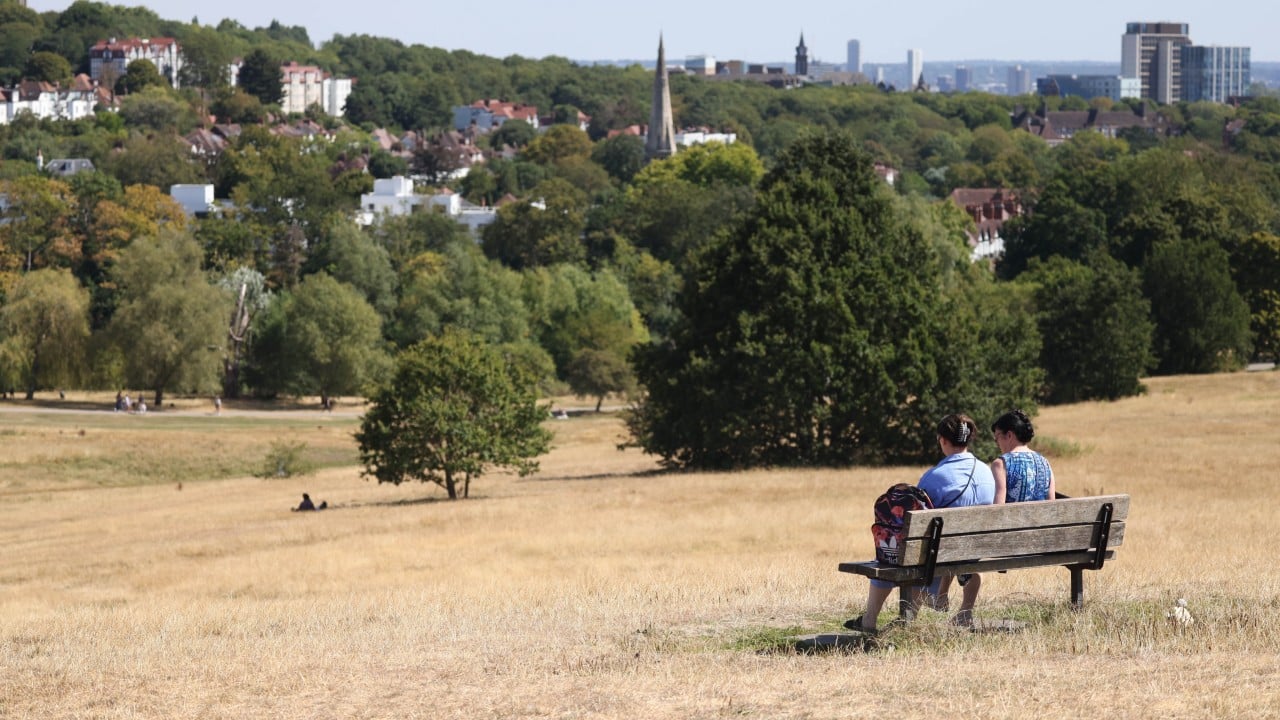
Almost three-quarters of England is now officially parched. If you think this is just another temporary dry spell, you're missing the bigger picture.
The numbers are staggering. The Environment Agency confirmed that 71.3% of England has plunged into a flash drought. That leaves roughly 45 million people living in drought-affected zones, with 27 million already bound by strict water use limits. Following the driest July in 190 years, four new regions—including the East Midlands, Kent and East Sussex, Solent and the South Downs, and Lincolnshire and Northamptonshire—joined the official drought roster.
Nowhere in the country remains in a normal status. Even the North East and Yorkshire have slipped into prolonged dry weather, teetering on the edge. As the country braces for its fifth heatwave of the season with temperatures threatening the mid-30s, the old assumption that Britain is a land of endless rain is officially dead.
The Reality Behind the Flash Drought
We talk about weather as an inconvenience, but a flash drought is an entirely different beast. It forms rapidly when brutal heatwaves collide with near-zero rainfall, baking the soil until it acts like concrete. When the tiny bit of rain does fall, it simply runs off instead of soaking in.
England and Wales saw virtually no relief through July. Southeast England recorded a meager 1% of its expected average rainfall. Rivers like the Thames and the Cam are tracking toward historic lows, reservoir storage continues to drop, and wildfire risks are spiking across heathlands and national parks.
Water companies are feeling the heat, too. Temporary use bans—commonly known as hosepipe bans—are keeping millions from watering gardens or washing cars. Yet, pointing fingers at households misses the mark. Leaks across aging pipe networks lose massive volumes of treated water every single day. Water Minister Emma Hardy has pressed utility providers to accelerate leak repairs, but infrastructure upgrades take years while the crisis unfolds right now.
What This Means for Food and Farming
You won't just see brown lawns; you'll see it on grocery shelves. Agriculture is taking a direct hit from this prolonged dry weather.
Livestock farmers are already burning through winter feed reserves because grass growth has completely stalled in the scorched fields. Cereal harvests for wheat and oats are suffering from poor yields, and vegetable growers are struggling to secure enough irrigation water to keep crops alive. When water security drops, food security follows close behind.
Farmers are calling for easier pathways to build on-site irrigation reservoirs, a measure the government is slowly streamlining. Relying on historic river abstraction licenses no longer works when those rivers are running bone-dry.
Practical Steps to Adapt Right Now
Waiting for a rainy autumn day to fix systemic water problems is a bad strategy. Whether you manage a household, run a business, or tend a plot of land, shifting how you handle water is essential.
- Audit your daily habits: Stop running taps continuously while brushing teeth or prepping food. Small volume reductions accumulate quickly across millions of homes.
- Harvest greywater: Divert unpolluted water from sinks or showers where possible to keep container plants and non-edible garden beds alive.
- Ditch the hose: If you live under a restriction zone, use a watering bucket or watering can. Target the roots directly during early morning or late evening hours to minimize loss from evaporation.
- Push for infrastructure accountability: Hold local water suppliers accountable for fixing visible leaks on public and private lines immediately.
This isn't the first summer drought in recent memory, and it won't be the last. Treating water as a scarce, precious commodity is the new normal.