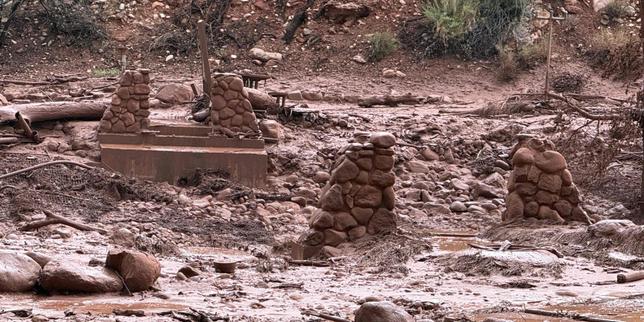
Catastrophic flash floods along the Nepal and Tibet border have left rescue operations scrambling as the total number of missing British nationals climbs to 48. While authorities confirm hundreds of deaths across the Himalayan region, families back in the UK are facing an agonizing wait for news. The disaster struck rapidly, catching trekkers, tourists, and pilgrims off guard in some of the world's most remote terrain.
Surviving the Himalayan Deluge
Amidst the unfolding tragedy, rare stories of survival are beginning to emerge from the wreckage. Cara Severino, a 26-year-old traveler, recounted a terrifying escape after an ice avalanche triggered a sudden torrent of water through the national park she was visiting. Trapped as floodwaters surged, she joined an ad-hoc group that managed to flag down a tractor. That vehicle provided a vital escape route away from the surging riverbeds.
Her account highlights the sheer unpredictability of Himalayan weather patterns during severe seasonal shifts. She later credited local companions—naming Sudha, Lucas, Samir, and Saugat—for helping her reach safety before Australian embassy officials extracted her via four-wheel drive. Yet, her relief stands in stark contrast to the grim reality facing thousands of other families.
The Scale of the Crisis Across Two Borders
The disaster has severely impacted both Nepalese territory and the Tibet Autonomous Region, creating a complex diplomatic and logistical nightmare for search and rescue teams.
- The Tibet Border: Chinese authorities confirmed that 261 foreign nationals from 23 countries remain unaccounted for in Tibet, including 15 British citizens.
- The Nepal Side: Local police and government bodies reported an additional 33 British nationals missing, pushing the total UK casualty and missing tally to 48.
- Casualty Figures: The combined death toll across the region has surpassed 810, with nearly 3,000 individuals still missing overall as rescue efforts battle broken infrastructure.
Many of the missing British citizens were part of organized tour groups or independent parties heading toward sacred pilgrimage sites like Mount Kailash or trekking through rugged mountain passes. Power outages, downed communication lines, and destroyed bridges have made it nearly impossible for local authorities to verify the safety of tourists in isolated valleys.
Families Left in the Dark
For relatives in the UK, the lack of reliable communication channels has turned into a psychological ordeal. Pramod Poudel, a UK resident originally from Nepal, spoke out as he prepared to fly back to search for his wife, mother, brother, and uncle. His family home and surrounding village were completely flattened by the wall of water. Similar stories echo across British communities with ties to South Asia, involving medical professionals, care workers, and retirees who journeyed to the region for spiritual journeys or holidays.
The Foreign, Commonwealth and Development Office continues to urge travelers in the area to monitor local updates closely and follow evacuation orders. As emergency teams slowly clear blocked mountain passes and heavy machinery reaches isolated pockets, the full extent of the disaster is only beginning to come to light.
Check official government travel advisories immediately if you have loved ones currently traveling through Himalayan border regions, and register your contact details with consular services if you are safe.