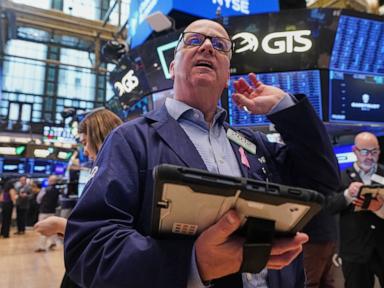
The glowing red numbers on the massive electronic board inside the Korea Exchange do not make a sound when they change. They blink. They shift. They erase billions of won in the span of a single heartbeat, but the trading floor remains eerily quiet, insulated by glass and the muted hum of air conditioning.
To understand why a retail investor in Seoul skips his lunch, or why a currency trader in Tokyo reaches for another cigarette, you have to look past the dense columns of financial data. You have to look at the tension in their shoulders.
Money is emotional. We pretend it is a science governed by sterile algorithms and predictable charts, but it is actually a massive, collective exercise in human psychology. It is driven by fear, fueled by hope, and anchored by the deeply unsettling reality that a few words spoken by a politician across the ocean can alter the trajectory of a family’s life savings.
The Peak Before the Drop
Min-jae Park did not sleep well. A 34-year-old software designer living in the bustling Mapo district of Seoul, he represents a new generation of South Korean retail investors who spend their commutes glued to trading apps. For months, the Kospi index had been climbing, defying the gravity of global geopolitical anxiety. It felt like a unstoppable wave. Just the day before, the index had breached historic highs, fueled by a frenzy of tech buying and a desperate optimism that the region's economic engine was invulnerable.
Min-jae had watched his modest portfolio swell. He allowed himself to dream of a larger apartment, of a life slightly less dictated by the grueling pace of Seoul's corporate culture.
Then came the morning bell.
The euphoria evaporated before the first pots of coffee were brewed. The Kospi did not just dip; it hesitated, stumbled, and dragged the rest of the Asian markets down with it. Tokyo’s Nikkei faded. Hong Kong’s Hang Seng lost its footing. The giant numbers on the walls of investment banks turned a harsh, uncompromising crimson.
What changed? Nothing tangible. No factories had burned down. No supply chains had snapped overnight. Instead, the sudden drop was caused by a shift in something far more fragile: human perception.
The Beijing Shadow Play
A few hundred miles away, the leader of the Western world was wrapping up a high-stakes visit to Beijing. Markets hate ambiguity, and Donald Trump's tour through Asia was a masterclass in economic suspense.
For days, traders from Sydney to Singapore had been holding their breath. Every handshake was parsed for hidden meaning. Every joint press conference was analyzed by teams of linguists and economists trying to read the tea leaves of global trade policy. When the rhetoric around trade balances remained sharp, and the concrete reassurances remained scarce, the collective nervous system of the financial markets reacted.
Consider the mechanics of a global market sale. It is a domino effect triggered by a whisper.
When big institutional funds see a cloud on the horizon—like the lingering uncertainty of US-China trade relations—they do not wait for the storm to hit. They reduce their risk. They sell blocks of shares in highly sensitive Asian tech and manufacturing giants. This institutional selling triggers automated stop-loss orders. Suddenly, the everyday investor, checking their phone on a crowded subway platform in South Korea, sees their screen flashing red. Panic is highly contagious. It spreads faster than any virus, jumping across oceans and time zones in milliseconds.
The reality of investing in the modern age is that local success is often a hostage to foreign politics. A South Korean company can manufacture the finest microchips on earth, break export records, and manage its debt flawlessly. Yet, its stock price remains tethered to the whims of a diplomatic dinner in the Great Hall of the People. It is a deeply frustrating, humbling realization for anyone trying to build wealth in an interconnected world.
The Human Cost of a Basis Point
We often talk about market drops in percentages. A two percent decline here, a 1.5 percent correction there. These numbers are tidy. They look clean on a newspaper page.
But a percentage point is an abstraction that masks a deeper human reality. A two percent drop in a national index means millions of individual decisions rooted in anxiety. It means an elderly couple in Osaka deciding to postpone their retirement by another year because their mutual fund took a hit. It means a small business owner in Taipei delaying the purchase of new equipment, which in turn means a local supplier loses an order, which means a warehouse worker gets their hours cut.
The financial system is a delicate web of promises and expectations. When the highest levels of global governance project volatility, that volatility trickles down to the kitchen table.
Min-jae watched the screen of his phone as the Kospi closed lower, erasing a significant portion of the gains that had made him feel so secure just twenty-four hours earlier. The historic high was gone, replaced by the familiar, low-grade thrum of financial vulnerability. He put his phone in his pocket, looked out the window at the gray Seoul skyline, and felt the sudden, heavy weight of a world that is far too big to control.
The markets will likely recover tomorrow, or perhaps next week. The red numbers will eventually turn green again, because capitalism is resilient and human beings are inherently wired to chase growth. But the illusion of safety has a way of staying broken long after the ticker tape clears. We walk on a floor made of glass, listening to the distant, unpredictable thunder of powerful men making deals in rooms we will never enter.