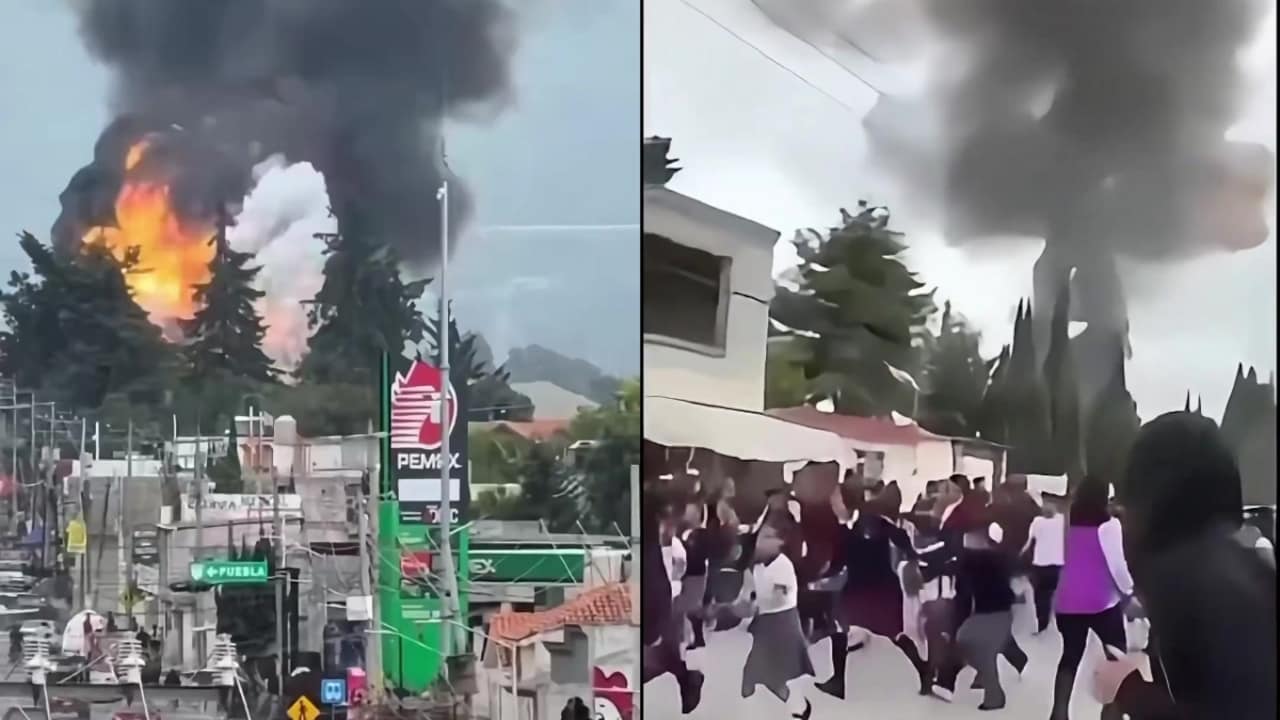
A massive mushroom cloud erupts over a Mexican highway. A fuel tanker, hijacked by thieves, turns into a towering inferno. The media immediately runs the predictable playbook: gasp at the dramatic footage, blame the violent cartels, lament the lawlessness of huachicol (oil theft), and move on to the next viral catastrophe.
This standard narrative is lazy, superficial, and entirely misses the point.
The mainstream press wants you to believe these explosions are the work of sophisticated, hyper-competent criminal syndicates running a parallel energy empire. They treat a detonated tanker like an act of god or a tactical military strike. It is neither.
The uncomfortable truth? These fiery disasters are not a demonstration of criminal strength. They are proof of profound logistical incompetence and structural failure within the regional energy supply chain. When a fuel truck blows up during an illegal siphoning or transport operation, it represents a massive breakdown in rudimentary hazardous material management.
Stop looking at the mushroom cloud as a symbol of cartel power. Start looking at it for what it actually is: a catastrophic failure of basic chemical logistics.
The Chemistry of Bad Logistics
The media loves the drama of a "mushroom cloud." It evokes images of military-grade destruction. But any industrial safety engineer will tell you that a boiling liquid expanding vapor explosion (BLEVE) does not require a criminal mastermind. It requires poor pressure management, thermal exposure, and sheer ignorance of thermodynamics.
When fuel thieves—huachicoleros—hijack a tanker or tap a pipeline, they rarely possess the specialized equipment required to manage volatile organic compounds under pressure.
- Vapor Pressure Ignorance: Petroleum products, especially unrefined or poorly blended gasoline, possess high Reid Vapor Pressure (RVP). When transferred into non-standard, unvented containers in the heat of the Mexican sun, vaporization occurs rapidly.
- Static Ignition: You do not need a cinematic match drop to ignite a stolen tanker. The simple friction of fuel flowing through an ungrounded plastic hose generates enough electrostatic charge to spark a vapor cloud.
- Structural Compromise: Commercial tankers are engineered to distribute liquid weight and manage internal sloshing. Criminal operations routinely overload chassis or use compromised, corroded tanks that fail under minimal thermal stress.
I have spent years analyzing industrial supply chains, and I can tell you that the physics of hazardous materials do not care about your criminal reputation. When an explosion occurs, it is because the perpetrators treated a highly volatile chemical compound like bottled water. The fireball is an inevitable consequence of bad engineering, not a calculated terror tactic.
Dismantling the Myth of the Sovereign Cartel
The prevailing consensus insists that oil theft in Latin America is a top-down, corporate-style operation run by elite cartel bosses. This view is fundamentally flawed. It misinterprets a fragmented, chaotic black market as a highly organized monopoly.
[Mainstream View]   Cartel Boardrooms ──> High-Tech Taps ──> Seamless Distribution

[The Reality]       Local Opportunism ──> Crude Siphoning ──> High-Risk, Low-Margin Chaos
In reality, the bulk of pipeline tapping and tanker hijacking is decentralized, opportunistic, and highly unorganized.
Yes, major syndicates extort the thieves or take a cut of the profits. But the actual execution is left to low-level actors working with rudimentary tools. If these operations were as sophisticated as the news anchors claim, tankers would not be detonating on the side of federal highways.
In industrial logistics, a loss rate that results in a massive explosion is considered a total operational failure. If a legitimate logistics company had its fleet detonate at this frequency, it would be bankrupt within a week. The fact that huachicol operations regularly result in spectacular self-destruction proves they are running on razor-thin intellectual margins, relying on brute force rather than technical capability.
Why Enforced Scarcity Drives the Black Market
People frequently ask: Why can't the government just shut down the illegal fuel trade?
The question itself is built on a false premise. It assumes huachicol exists simply because law enforcement is weak. While corruption is undeniable, the true driver is economic asymmetry and state-enforced distribution bottlenecks.
When legitimate fuel distribution networks fail to reach rural or marginalized communities efficiently, a supply vacuum is created. The informal economy steps in to fill it.
State-Enforced Bottlenecks ──> Regional Scarcity ──> Arbitrage Opportunity ──> High-Risk Theft
The black market price of stolen fuel reflects the risk premium of acquiring it. When governments implement heavy-handed anti-theft measures—like shutting down pipelines and moving fuel via vulnerable road tankers instead—they do not eliminate the trade. They merely shift the risk to the highways, increasing the frequency of high-profile accidents.
Moving fuel by truck instead of pipeline is an inherently less secure, less efficient logistical strategy. It places thousands of rolling bombs on public roads, practically inviting opportunistic interception. The resulting fiery crashes are a direct policy feedback loop.
The True Cost of Chemical Contamination
While the cameras focus on the orange fireballs, the real disaster plays out in the soil and groundwater long after the smoke clears. The contrarian view of oil theft forces us to look past the immediate body count and examine the permanent ecological liability.
An exploding tanker does not just burn fuel; it vaporizes a fraction of it and deposits the rest directly into the surrounding ecosystem.
| Compound | Immediate Impact | Long-Term Environmental Cost |
|---|---|---|
| Benzene | Acute inhalation hazard for first responders | Carcinogenic leaching into local agricultural water tables |
| Toluene | Central nervous system depression via vapor | Persistent soil toxicity inhibiting vegetative regeneration |
| Xylene | Severe respiratory tract irritation | Long-term bioaccumulation in local fauna |
When a state oil infrastructure is breached thousands of times a year, the cumulative volume of unignited, spilled product dwarfs the volume lost in high-profile explosions. The focus on the "mushroom cloud" allows regulators and state corporations to treat these events as isolated criminal anomalies rather than an ongoing, systemic ecological crisis.
Fix the Supply Chain, Not Just the Security
Stop sending infantry to guard broken valves. Stop assuming that tougher sentencing will alter the laws of liquid logistics.
If you want to stop the explosions, you must eliminate the logistical vacuum that makes the theft viable in the first place. This requires a brutal reassessment of how energy infrastructure is monitored and decentralized.
- Passive Acoustic Monitoring: Legitimate operators must deploy continuous fiber-optic sensing along pipeline networks to detect the specific acoustic signature of a drill bit before the pressure drop occurs.
- Chemical Tagging: Introduce localized molecular markers into legal fuel batches to instantly identify stolen product at the retail level, destroying the liquidation pipeline.
- Micro-Refining: Address regional scarcity by legalizing and regulating smaller, decentralized distribution hubs, cutting the economic legs out from under the informal market.
The downside to this approach? It requires state apparatuses to admit that their own distribution monopolies are inefficient. It forces a pivot away from theatrical military deployments toward boring, high-capital infrastructure upgrades.
Until that shift happens, the highways will continue to burn. The next time you see a video of a mushroom cloud over a highway, do not marvel at the power of the cartels. Recognize it for what it truly is: the violent, predictable friction of a broken supply chain grinding itself to pieces.