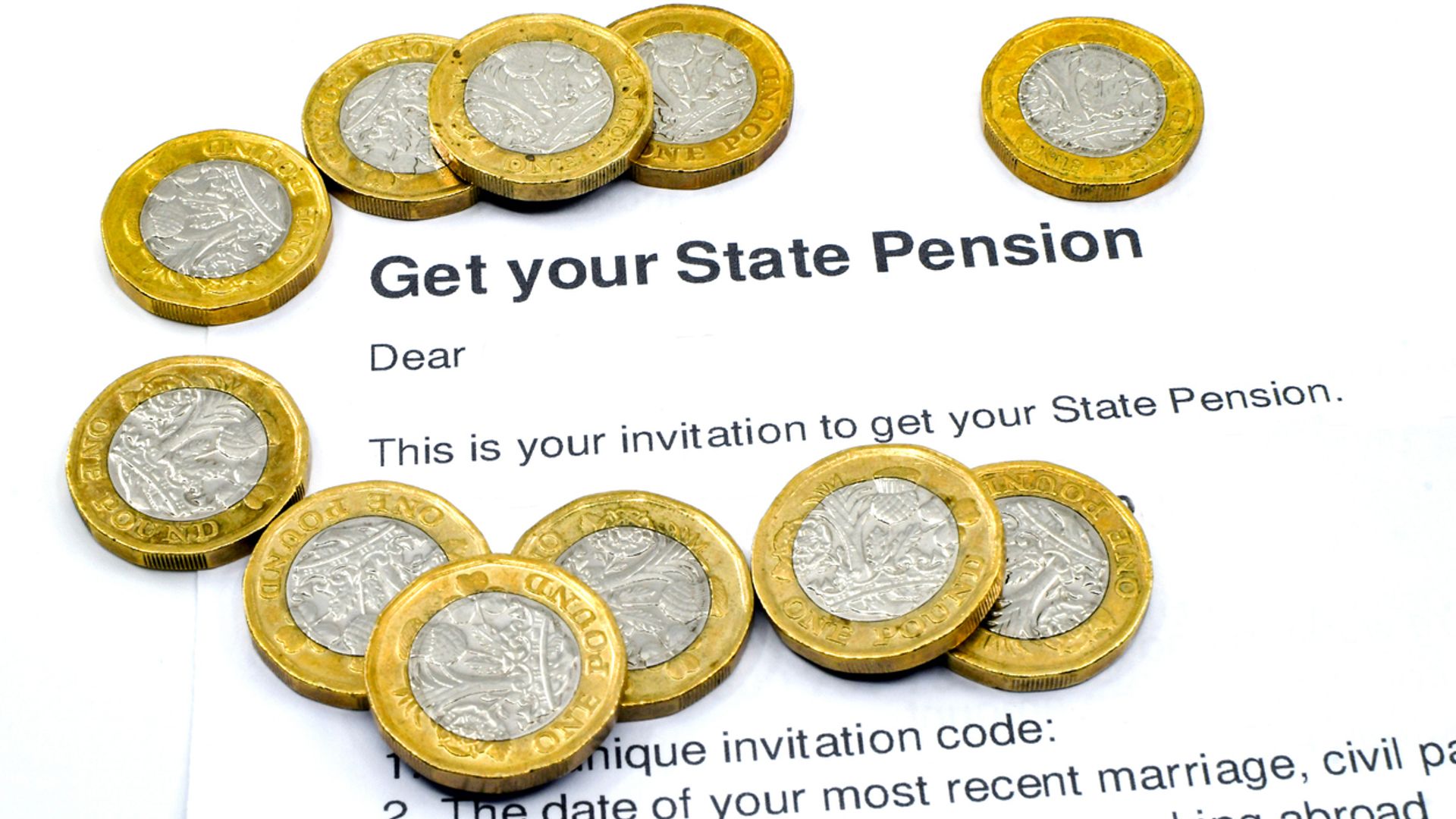
Arthur sits at a worn oak kitchen table, staring at a spreadsheet that refuses to yield.
He is fifty-eight years old. His knuckles are rough, swollen slightly at the joints from thirty-five years of laying down copper pipe and repairing burst water mains in frozen crawlspaces. For three decades, Arthur had a date etched into his mind. It was a simple, fixed coordinate in time: his sixty-sixth birthday. That was the day he would lay down his wrenches, hand over his van keys, and begin drawing the state pension he had spent a lifetime funding through taxes.
Then, a quiet panic began circulating through group chats, news headlines, and breakrooms across the UK. Rumors swelled into near-certainties. The horizon was moving. The finish line was being dragged back to sixty-eight.
To understand why millions of people are suddenly bracing for two extra years of work, you have to look past the political rhetoric and examine the quiet mechanics of a demographic machine that is slowly running out of steam.
The Promise and the Math
The state pension was never designed to be a decades-long luxury retreat.
When state pensions were first introduced in the early twentieth century, the average person barely lived long enough to collect a single check. The system functioned like a collective safety net for the few who survived long past their working prime. Today, medical science, improved working conditions, and better public health have reshaped human longevity. We live longer. Much longer.
That longevity is a triumph of modern civilization, but mathematically, it creates a crushing load on public finance.
Here is the stark reality: state pensions in the UK operate on a pay-as-you-go model. The tax dollars collected from today's workforce do not sit in a personalized vault waiting for them to age. They are immediately paid out to fund the pensions of today's retirees. It is an implicit social contract between generations.
Consider what happens when that contract faces a double-edged pressure: a massive generation of retirees drawing funds for thirty years instead of ten, paired with a shrinking working-age population paying into the pool. The balance tips. The system straining beneath the weight must adjust.
Why Sixty-Eight Is Back in the News
The law already says the state pension age will rise to sixty-seven between 2026 and 2028. It is also written into existing legislation that a further rise to sixty-eight is scheduled for the mid-2040s.
So why the sudden flare-up of public anxiety right now?
The speculation stems from periodic government reviews. Under current legislation, ministers are required to regularly examine life expectancy data and economic forecasts to decide whether planned age hikes should be brought forward. A few years ago, independent reports suggested accelerating the shift to age sixty-eight as early as the mid-2030s to keep public debt under control.
While official decisions were repeatedly pushed back due to stagnant life expectancy growth in recent years, economic pressures have kept the topic alive. Inflation spiked. National debt mounted. Whenever governments search for ways to patch massive budgetary holes, the vast expenditure of the state pension system becomes the largest item on the board.
When talk of policy reviews hits the headlines, it creates a ripple effect. People do not hear policy nuance; they hear that their youth is being taxed to pay for a promise they might not live to enjoy.
The Great Divide of Manual Labor
For office workers whose primary physical burden is typing at a standing desk, working until sixty-eight is a matter of stamina, mental fatigue, and career management.
For Arthur, it is an existential threat.
Consider a hypothetical bricklayer named David. At sixty-two, David's knees are compromised. His lower back aches every time he lifts a bag of cement. His doctor tells him he needs to reduce physical exertion, but his private savings are minimal, and he cannot access his state pension for another six years. If that target moves to sixty-eight, David faces a harrowing choice: push his body past its physical breaking point, or face years of financial precarity before he ever reaches eligibility.
This is the invisible stakes of pension policy. Raising the state pension age acts as an equal policy applied to fundamentally unequal lives. Life expectancy is not distributed evenly. Statistical data consistently shows that individuals in lower socioeconomic areas not only have shorter average lifespans, but they also spend fewer of those years in good health compared to their wealthier counterparts in white-collar professions.
When the state pension age climbs, it extracts a far heavier price from those who work with their hands than those who work with their minds.
The Illusion of Certainty
We like to treat retirement as a guaranteed reward for decades of labor. We build budgets based on current policy, assuming the rules of the game will remain static until we cross the finish line.
The current uproar over the state pension age serves as a blunt reminder that state-provided safety nets are dynamic political instruments, not immutable rights. They expand during times of demographic growth and economic prosperity; they contract when demographics shift and national budgets tighten.
Relying entirely on a state pension age that can be altered by a parliamentary vote leaves individuals vulnerable to political and economic shifts entirely outside their control.
Arthur closes his spreadsheet. He looks out his kitchen window at the darkening street. He knows he cannot change government reviews, demographic trends, or treasury calculations. But he realizes that counting down the days to a fixed date set by someone else is a game where the rules can change midway through.
The finish line might stay at sixty-seven for now. It might push to sixty-eight sooner than expected. The horizon will continue to drift, driven by numbers on a ledger that care very little about tired joints or long years of service.
Arthur picks up his pen, opens a new page in his notebook, and begins sketching a new plan—one built not on the government's timeline, but on his own.


