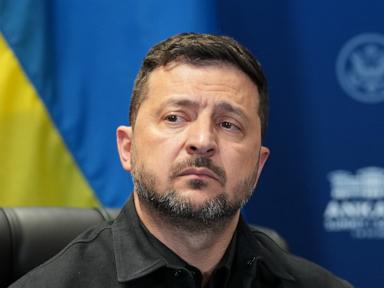
Another wave of heavy aerial bombardments tore across Ukraine, killing at least nine civilians and leaving entire communities scrambling for shelter. It is a grim reminder that the brutal conflict is only intensifying. President Volodymyr Zelenskyy didn't mince words after the strikes, pointing directly to a dangerous shift in the Kremlin's supply lines and military backing.
When ballistic missiles, drones, and glide bombs rain down on residential areas and infrastructure simultaneously, the human cost is immediate. In Zaporizhzhia, an overnight barrage of North Korean-supplied ballistic missiles ripped through the city, killing six people and wounding nearly twenty others. Meanwhile, in the central Dnipropetrovsk region, drone and artillery strikes claimed three more lives, including a 15-year-old boy.
The Expanding Foreign Footprint
The most alarming part of this latest escalation isn't just the munitions themselves—it's where they are coming from. Moscow is actively deepening its military integration with foreign partners. Zelenskyy pointed out that North Korea has supplied additional ballistic missiles and is preparing to deploy more troops to support the invasion.
This relationship goes far beyond a simple transactional arms deal. Ever since Russian President Vladimir Putin and North Korean leader Kim Jong Un signed a mutual defense and strategic partnership agreement, Pyongyang has funneled thousands of troops and massive hardware shipments into the war effort.
Military analysts note that this dynamic is a double-edged sword. While it bolsters Moscow's immediate combat power, it also gives North Korean forces invaluable modern battlefield experience. That reality poses a long-term threat not just to Ukraine, but to global security and stability across the entire Indo-Pacific region.
Exploiting Critical Defense Gaps
Russia's strategy relies heavily on overwhelming Ukraine's air defense grid. Moscow has ramped up domestic ballistic missile production while leaning on foreign imports to strain Kyiv's dwindling stockpiles of Patriot air defense interceptors.
When interceptors run low, cities become sitting ducks for high-speed precision strikes. The air force reported that incoming payloads included Zircon anti-ship missiles, Iskander ballistic missiles, and upwards of 120 long-range strike drones launched nationwide. Even the grounds of a Kyiv children's hospital felt the impact, suffering shattered windows and deep craters from nearby blasts. Thankfully, quick-acting staff rushed children into bomb shelters, preventing a mass casualty event.
The Broader Strategic Stalemate
Diplomatic breakthroughs remain entirely frozen. Every indication from the front lines suggests that neither side expects a quick political settlement. Ukraine's military leadership emphasizes that Moscow is preparing for an extensive mobilization and a renewed push along the sprawling 1,250-kilometer front line that cuts through the eastern and southern regions.
Ukraine continues to strike back by targeting vital logistical hubs, oil refineries, and supply networks deep inside Russian territory to disrupt the Kremlin's war machine. Yet, the core dilemma for Kyiv remains resource-driven. Without a steady, robust replenishment of advanced anti-ballistic interceptors, defending civilian populations against these combined missile and drone assaults grows harder by the week.
To break this cycle, international allies must address the glaring supply imbalances that allow continuous aerial campaigns to succeed. Track developments closely, support humanitarian relief efforts in affected regions, and monitor defense assistance commitments as international pressure mounts.