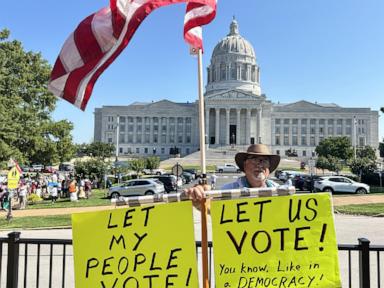
If you think modern politics makes zero sense, look no further than the Show-Me State. Voters are currently staring down a dizzying web of clashing judicial decisions that leave everyone wondering where they actually fit on a ballot.
The roots of this mess go back to when state lawmakers bent to pressure from Washington to redraw boundaries right before the midterms. The goal was obvious: squeeze out an extra Republican advantage by carving up the Kansas City-based 5th Congressional District, currently held by Democrat Emanuel Cleaver. But anti-gerrymandering organizers with the group People Not Politicians fought back hard. They collected hundreds of thousands of petition signatures to force a statewide referendum on the new lines.
State officials tried to block that referendum, but the Missouri Supreme Court stepped in with a unanimous ruling. The court declared that the petition process was entirely legal and timely. Because those signatures triggered a pause, the disputed map technically never went into effect. That meant the older, 2022-approved boundaries were supposed to rule the upcoming election.
Then things got even weirder.
The Whiplash of Federal and State Courts
Republicans rushed to appeal, but the U.S. Supreme Court declined to intervene, leaving the state court's block intact. But just as observers thought the dust had settled, a federal judge threw another wrench into the gears. A federal court issued a temporary restraining order forcing the state to stick with the new Republican-backed map.
The reasoning from the federal bench? Changing the map back now, after primary winners were already certified under the new lines, would create unprecedented chaos. Judges warned that swapping boundaries right before a general election threatens the entire orderliness of the process.
What This Means for Everyday Voters
If you live in Missouri, your frustration is entirely valid. The state already used the redrawn map during the August primaries. Candidates won nominations under specific geographic assumptions, and local election authorities prepared their systems accordingly.
Swapping maps at this late stage creates a logistical nightmare for county clerks who have to print and mail ballots under tight federal deadlines. Voters on the ground—especially those pushed from urban centers into rural conservative tracts—are left completely in the dark about who represents them or which polling jurisdiction holds their registration.
Legal teams are appealing the federal orders, and the clock is ticking down to mandatory ballot-mailing dates. Check with your local election board or consult the Missouri Secretary of State portal for real-time updates as these court battles play out.