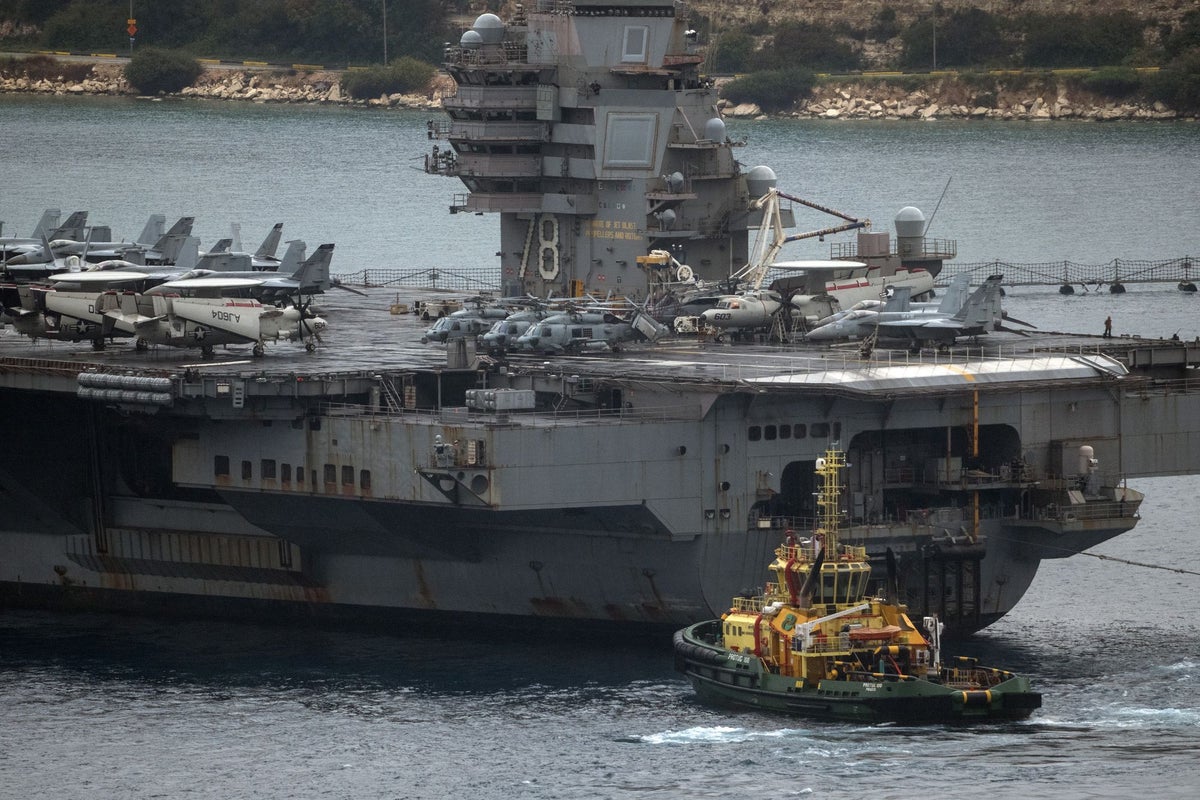
The front line isn't just about bullets and bravado. It’s about the mail and the mess hall. Right now, thousands of troops stationed in the Middle East as part of the ongoing tensions with Iran are facing a reality that rarely makes the evening news. They're hungry. They're isolated. They feel forgotten.
Reports from the ground indicate a massive breakdown in the basic support structures we take for granted. When the Postal Service stops delivering, it’s not just about a missing birthday card from mom. It’s a total collapse of the one tether these soldiers have to their sanity. Without mail, the care packages stop. The extra socks, the beef jerky, and the letters that keep a person going during a twelve-hour watch disappear. It's a logistical nightmare that’s turning a high-stakes military operation into a struggle for basic survival.
Why Logistics Matter More Than Tactics
History loves to talk about generals and their grand maneuvers. But any veteran will tell you that an army really does march on its stomach. In the current theater, those stomachs are growling. We’re seeing a situation where rations have been cut to the bone. We aren't talking about a gourmet meal here. We're talking about meager portions that don't meet the caloric needs of someone carrying eighty pounds of gear in 110-degree heat.
When the supply chain kinks, the first thing to go is the "luxury" of variety. Soldiers are reporting being stuck on the same bland, shelf-stable meals for weeks on end. This isn't just a matter of taste. It’s about nutrition and physical readiness. If you don't feed the machine, the machine breaks. It’s that simple.
The decision by the Postal Service to halt deliveries to certain regions is the final straw. They cite security concerns. They talk about "unstable conditions." That’s fine for a bureaucrat in a climate-controlled office in D.C., but for a corporal in a dusty outpost, it’s a betrayal. It means the system they’re risking their lives for can’t even figure out how to get a box of Girl Scout cookies to their GPS coordinates.
The Mental Toll of Empty Mailbags
Let’s talk about morale. It’s a word that gets tossed around in press briefings, but it’s tangible. You can see it in the way a soldier carries their rifle. You can hear it in their voice. Morale is at a breaking point because the silence from home is deafening.
The mail is a psychological lifeline. In a world of digital noise, a physical letter is gold. It’s something you can touch. It’s a piece of home you can keep in your pocket. When you take that away, you increase the sense of isolation tenfold. You start to wonder if anyone back home actually cares what’s happening in these sand-choked valleys.
Breaking Down the Ration Cuts
The math here is grim. A soldier in a combat zone needs significantly more calories than a civilian. They’re burning through energy just trying to stay hydrated and alert. Current reports suggest that some units are seeing their daily intake slashed by nearly thirty percent.
- Meal Variety: Gone. It’s the same three MRE options on a loop.
- Fresh Food: A distant memory. Fruits and vegetables are nonexistent in some forward operating bases.
- Hydration: While water is usually the last thing to fail, the lack of electrolytes and variety makes staying hydrated a chore rather than a reflex.
This isn't a supply shortage in the sense that the food doesn't exist. It’s a distribution failure. The stuff is sitting in warehouses or on ships, but it isn't getting to the people who need it. It’s a failure of imagination and a failure of will.
The Security Excuse for Postal Failures
The Postal Service says it’s too dangerous. But isn't that why we have a military? The idea that we can't secure a mail route in a zone where we’re actively conducting operations is embarrassing. It signals a lack of coordination between civilian agencies and the Department of Defense.
This isn't the first time we've seen this. We saw it in the early days of Iraq. We saw it in Afghanistan. You’d think we would have learned by 2026. Instead, we’re repeating the same mistakes, expecting a different result. The troops pay the price for this lack of foresight. They're the ones eating cold mush while the people responsible for the "security concerns" eat catered lunches.
Private Contractors and the Supply Gap
There's been a shift toward using private contractors for everything from laundry to food prep. On paper, it saves money. In practice, it adds a layer of bureaucracy that fails when things get hot. A private contractor doesn't have the same mandate to "deliver no matter what" that a military logistics unit does. If the risk gets too high, they just stop. They have a contract. They have lawyers. They don't have an oath.
When these contractors pull back, the military has to scramble to fill the gap. But often, the equipment and personnel needed for those tasks have been "optimized" out of existence. We've traded resilience for efficiency, and now we’re seeing the cost of that trade.
What Happens When the Hunger Sets In
A hungry soldier is a distracted soldier. When your stomach is cramping and you’re wondering when your next real meal is coming, you aren't 100 percent focused on the perimeter. You aren't 100 percent focused on your equipment. Mistakes happen. In a war zone, mistakes are lethal.
The physical degradation is real. You lose muscle mass. You lose cognitive function. Your reaction times slow down. We’re basically asking our best people to perform at their peak while we starve them and cut off their communication with their families. It’s a recipe for disaster.
Fixing the Supply Chain Now
The solution isn't complicated, but it requires a change in priorities. We need to stop treating mail and food as afterthoughts. They're just as important as ammunition.
First, the Department of Defense needs to take over the mail routes that the Postal Service won't touch. We have the assets. We have the personnel. We just need the order. If a civilian plane won't fly there, a C-130 will.
Second, the reliance on private contractors for essential life support needs to be reevaluated. If a function is critical to the survival and morale of the troops, it should be handled by the military. Period. We can't outsource our responsibility to our service members to the lowest bidder.
Third, we need transparency. The families back home deserve to know why their packages are being returned or sitting in a pile in some transit hub. The troops deserve to know when the situation will be fixed. No more vague statements about "unstable conditions."
If you want to support the troops, stop buying yellow ribbon magnets and start demanding that the government actually feed them. Call your representatives. Demand a hearing on military logistics and the failure of the Postal Service in theater. These soldiers are doing their job. It’s time the people back home did theirs. Check in on military family groups. See who's struggling and offer a hand. The system is failing, but the community doesn't have to.



