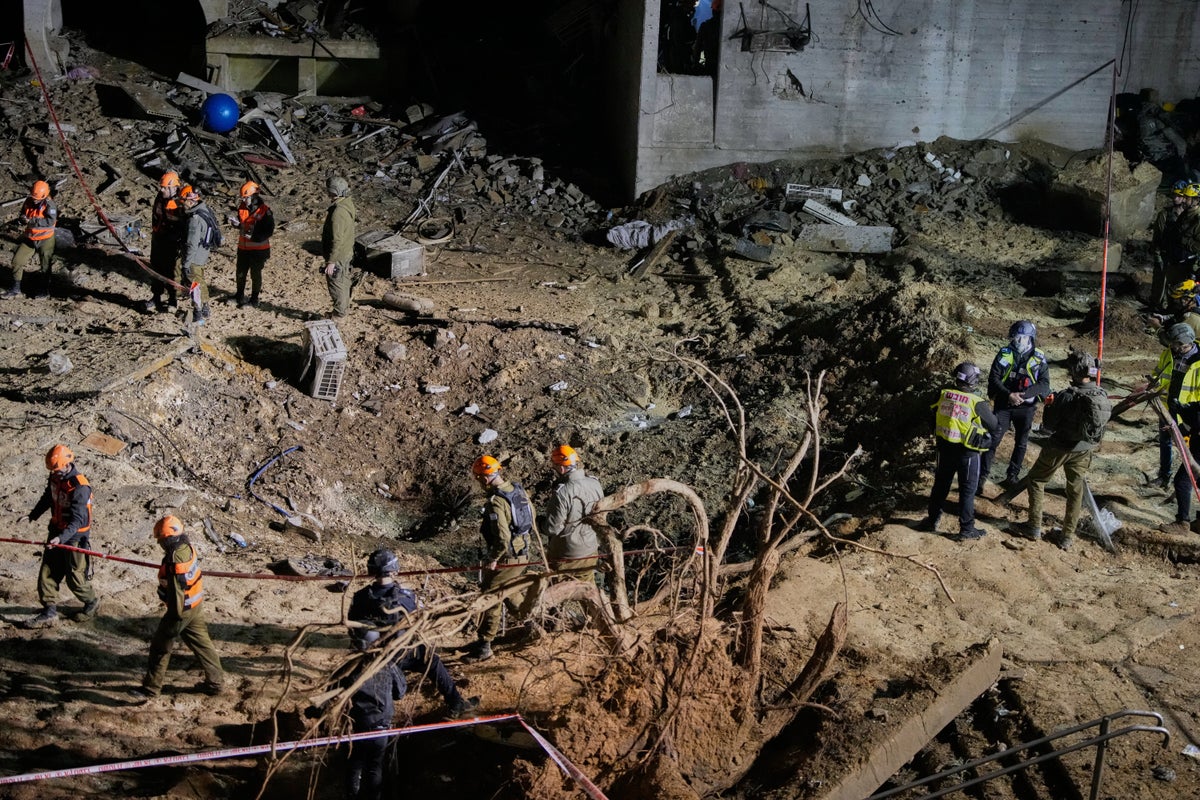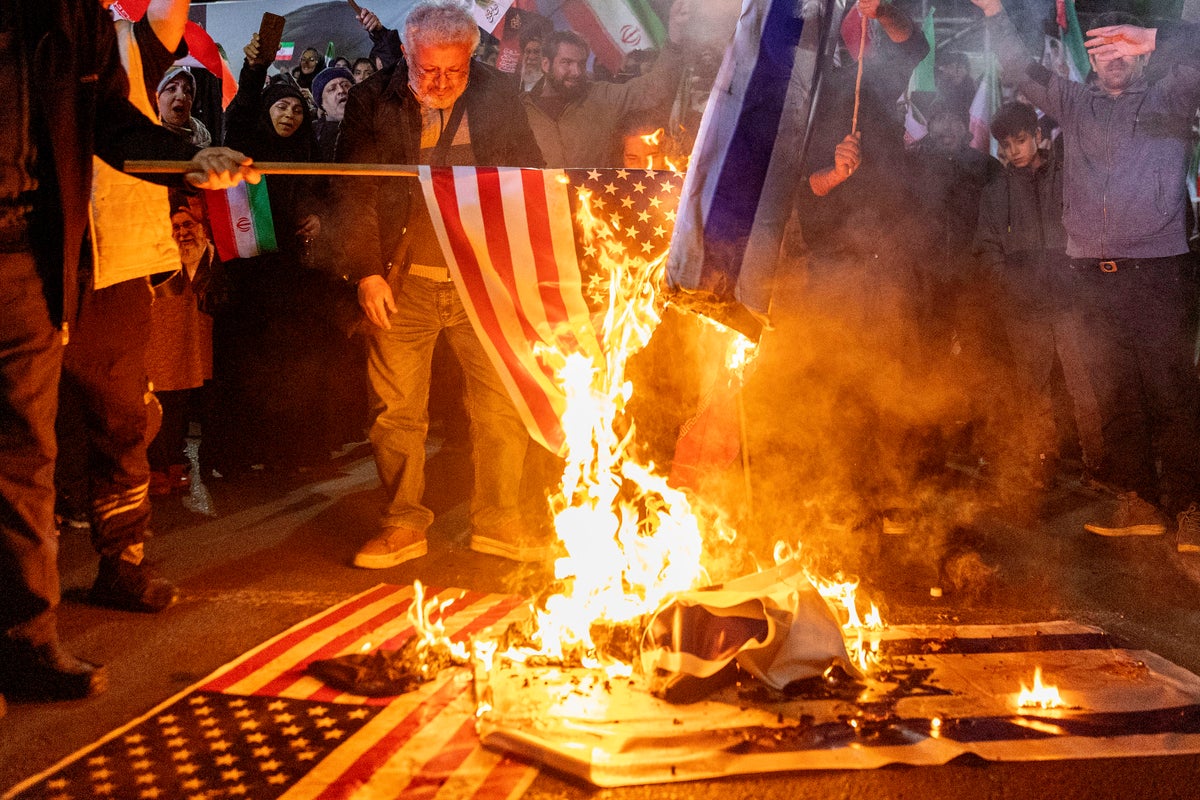
Donald Trump says the war with Iran is "very complete, pretty much." Benjamin Netanyahu talks about breaking the bones of the regime. They’re selling a sprint—a quick, high-tech decapitation that ends with a victory parade and oil prices dropping back to normal. But if you look at what’s actually happening on the ground in Tehran and the ruins of the Natanz enrichment plant, you’ll see that Iran isn't planning for a finish line. They’re stretching the track.
The disconnect between the rhetoric in Florida and the reality in the Persian Gulf is staggering. We’re told the war will be over "very soon," yet the Iranian leadership just finished a transition to Mojtaba Khamenei after the February 28 strikes. That doesn't look like a regime ready to fold. It looks like a system Digging in for a decade-long grudge match. Also making waves in related news: Finland Is Not Keeping Calm And The West Is Misreading The Silence.
Why the Quick Victory Narrative is Falling Apart
Trump’s confidence usually comes from a belief that everyone has a price or a breaking point. On March 9, he told reporters at Doral that the military objectives were largely met. He pointed to the destruction of Iran’s navy and the "scattered" state of their missile arrays. From a pure hardware perspective, he’s not entirely wrong. The U.S. and Israel have turned significant portions of Iran’s conventional military infrastructure into scrap metal.
But hardware isn't the same as will. Iran’s strategy, often called "strategic patience" but now shifted into "active resistance," doesn't rely on having a better air force. They know they can’t win a dogfight against an F-35. Their goal is to make the war so expensive—politically, economically, and socially—that the West simply loses interest. Additional details on this are detailed by NPR.
While Trump talks about "unconditional surrender," the Iranian Foreign Ministry is busy ruling out talks and launching drones at Gulf energy sites. They aren't trying to win a battle; they're trying to bankrupt the neighborhood.
The Marathon Strategy in Action
Iran is executing a coercive risk strategy that aims to bleed the U.S. and its allies. They've shifted from large-scale military confrontations to a steady drip of high-impact disruption.
- Targeting the Wallet: Oil prices hit $120 a barrel earlier this month. Even though they’ve dipped since Trump’s "war is over" comments, the volatility is the point. By striking at desalination plants in the UAE and gas fields in Qatar, Iran is telling the world that as long as they suffer, everyone else's utility bills will go up.
- The Proxy Pivot: Hezbollah has already re-activated in Lebanon. The war isn't just in Iran; it's in the Bekaa Valley and on the streets of Haifa. This forces Israel to fight a multi-front war, thinning out their resources and testing the resolve of their domestic population.
- Decapitation Doesn't Work: The assassination of Ali Khamenei was supposed to be the "game-over" moment. Instead, the IRGC has shown it has institutional depth. You can kill a leader, but you can't kill a 180,000-person bureaucracy overnight.
Netanyahu’s Domestic Tightrope
For Netanyahu, the "very soon" narrative is a political necessity. He’s facing an electorate that is exhausted. While Israelis supported the initial strikes on the nuclear program, the constant sirens in Jerusalem and the economic toll of a mobilized reserve force are wearing thin.
Netanyahu needs a win he can market. He recently mentioned that the fall of the regime lies "in the hands of the Iranian people." That's a massive pivot from his earlier stance of military-led regime change. It’s an admission that the "bones" might be harder to break than he thought. He's trying to manage expectations while keeping the U.S. engaged, a balancing act that gets harder every time a missile hits a residential building in Beit Shemesh.
The Real Cost of "Ending" the War
If Trump follows through and tries to declare victory and pull back, what does he leave behind?
There is no stable alternative government waiting in the wings in Tehran. A power vacuum in a country of 88 million people, right next to the world’s most critical energy corridor, isn't a "victory." It’s a recipe for a perpetual insurgency.
The U.S. military is already burning through munitions at a rate that has lawmakers panicked. A formal request for $200 billion in additional funding is expected in Washington. You don't ask for that kind of money if the war is "pretty much" over.
The Oil Factor and the Putin Connection
One of the weirdest turns in this conflict was Trump’s call with Vladimir Putin on March 9. Immediately after, Trump suggested oil sanctions might be eased. This looks like an attempt to stabilize the global economy by using Russia as a middleman.
But Iran knows this. They’ve watched how Russia handled the Ukraine conflict and they’re applying those lessons. They’re using the global dependency on energy as a shield. Every time Trump says the war is ending, Iran launches another wave of drones to remind the markets that they still have a vote.
What This Means for You
The "marathon" Iran is preparing for isn't just about soldiers on a battlefield. It’s about global inflation, cyberattacks on regional infrastructure, and a permanent state of high alert.
Don't buy the "mission accomplished" rhetoric just yet. We’re in a phase of the conflict where the initial shock and awe has worn off, and the long, grinding reality of geopolitical attrition has begun.
Keep an eye on the Strait of Hormuz. If that waterway remains a "hot zone," the war isn't over, no matter what the press releases say. Monitor the domestic oil prices and the stability of the Gulf states. Those are the real indicators of victory or defeat in this theater.
If you're looking for a quick exit, you're looking at the wrong map. The next few months won't be about who has the biggest bombs, but who has the most endurance. Prepare for the long haul.