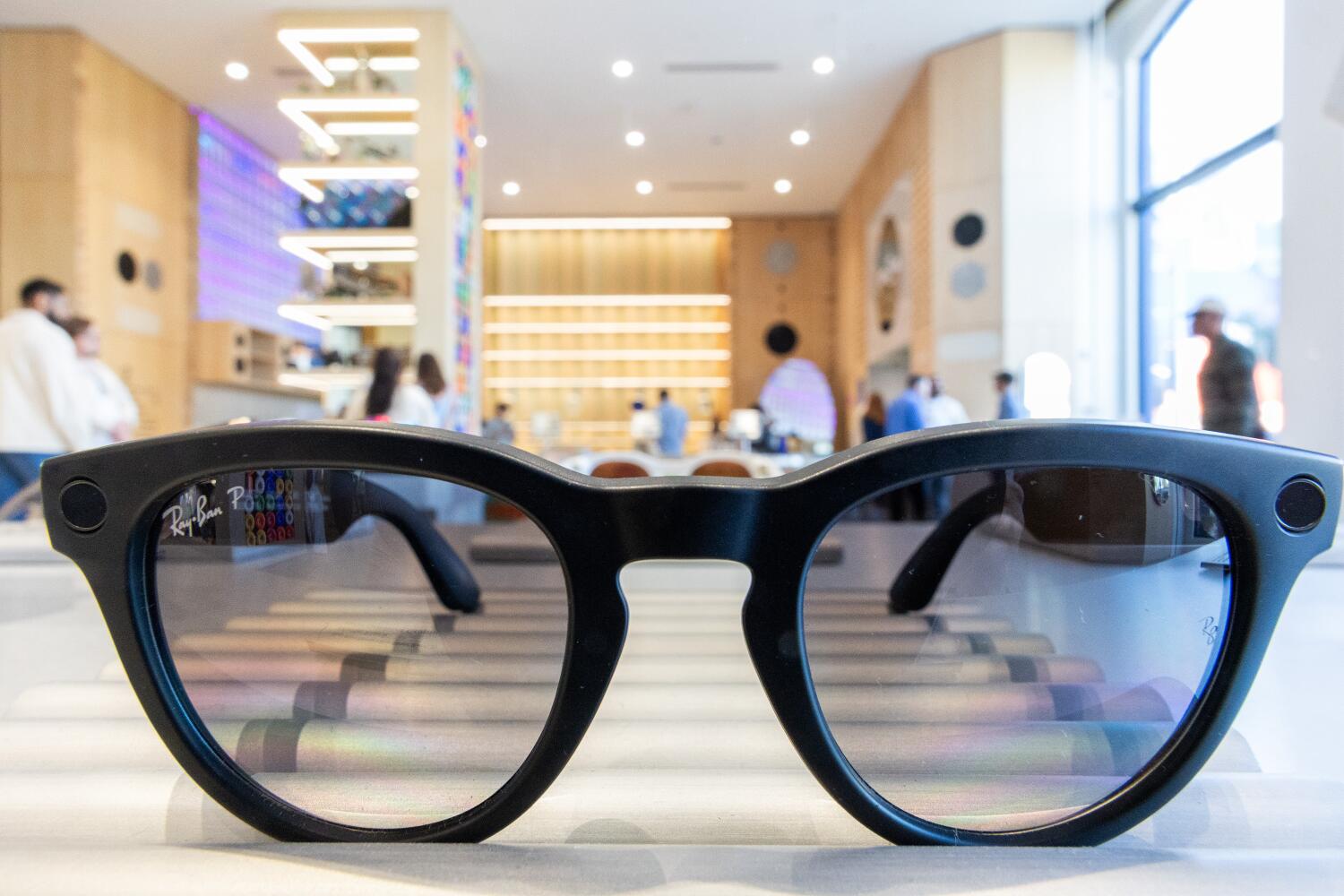
Some people fear heights. Others fear the dark. A growing segment of the public now fears walking down the street and ending up in a stranger's Instagram Reel, captured entirely without consent.
Meta thought it had a runaway hit on its hands. Millions of Ray-Ban smart glasses have sold worldwide, backed by high-profile marketing campaigns featuring celebrities like Kylie Jenner. But as these cameras hit mainstream adoption, the cultural response took a dark turn. Critics, activists, and everyday pedestrians started calling them something else entirely: "pervert glasses".
You don't need a degree in sociology to understand why. When you hand people stylish eyewear embedded with high-definition cameras, microphones, and artificial intelligence, you aren't just selling a gadget. You are introducing an invisible surveillance tool into everyday social spaces.
The Consent Problem Built Into The Frame
Traditional cameras are obvious. When someone pulls out a smartphone and points a lens at your face, you know it is happening. You can posture, object, or walk away. Smart glasses destroy that baseline of social awareness.
The frames look like ordinary designer sunglasses. The person wearing them can maintain casual eye contact, chat about the weather, and record your every move without a single physical cue.
Meta points to a tiny white LED light on the front of the frame as its ultimate privacy safeguard. If the light is on, the camera is rolling.
In practice, that light is almost useless. It is small, easily missed in bright sunlight, and completely invisible if you aren't looking directly at the wearer's face. Worse yet, hobbyists quickly figured out cheap modification kits to disable or block the indicator light entirely. Meta rushed out software updates to brick cameras if tampering is detected, but the damage to public trust was already done.
When Harassment Goes Mainstream
The backlash isn't just about abstract privacy theories. Real people are dealing with real violations.
In major cities worldwide, reports surfaced of content creators using the glasses to secretly film interactions with strangers, upload the footage to TikTok or Instagram, and farm millions of views. In one high-profile incident, a trans activist in India was recorded without permission during a protest, leading to a viral video that exposed their identity to millions against their will. Meta's automated moderation systems initially failed to catch the harassment, leaving the content online for weeks.
People are getting sick of being content for strangers. Public spaces are turning into unconsenting recording studios.
The fallout goes beyond street pranks. Investigative reports revealed that human contractors reviewing data to train Meta's artificial intelligence systems occasionally had access to sensitive and intimate imagery captured by users, including bank details and personal moments. Even though contracts were severed and platforms started banning harassment videos shot on smart eyewear, the underlying architecture remains invasive.
Society Is Fighting Back
Public pushback has moved past online complaints. Bars, restaurants, cinemas, and music venues are putting up explicit bans on smart eyewear. Courts and security agencies are prohibiting them from entering sensitive facilities.
Activist groups are getting creative, too. Subversive ad campaigns have targeted Meta's marketing materials, reframing sleek tech lifestyle imagery into stark warnings about consumer tracking and digital exposure.
On an individual level, social friction is doing the rest. Friend groups are quietly freezing out owners who insist on wearing camera frames to social gatherings, forcing many buyers to leave their expensive gadgets in a drawer at home.
Technology companies love to talk about seamless integration and the future of ambient computing. They forget that humans actually value privacy, boundaries, and mutual consent. If you wear camera frames in public spaces without making sure every single person around you is okay with being filmed, don't be surprised when people treat you with hostility. Stop buying hardware that treats everyone else around you as an unconsenting target.