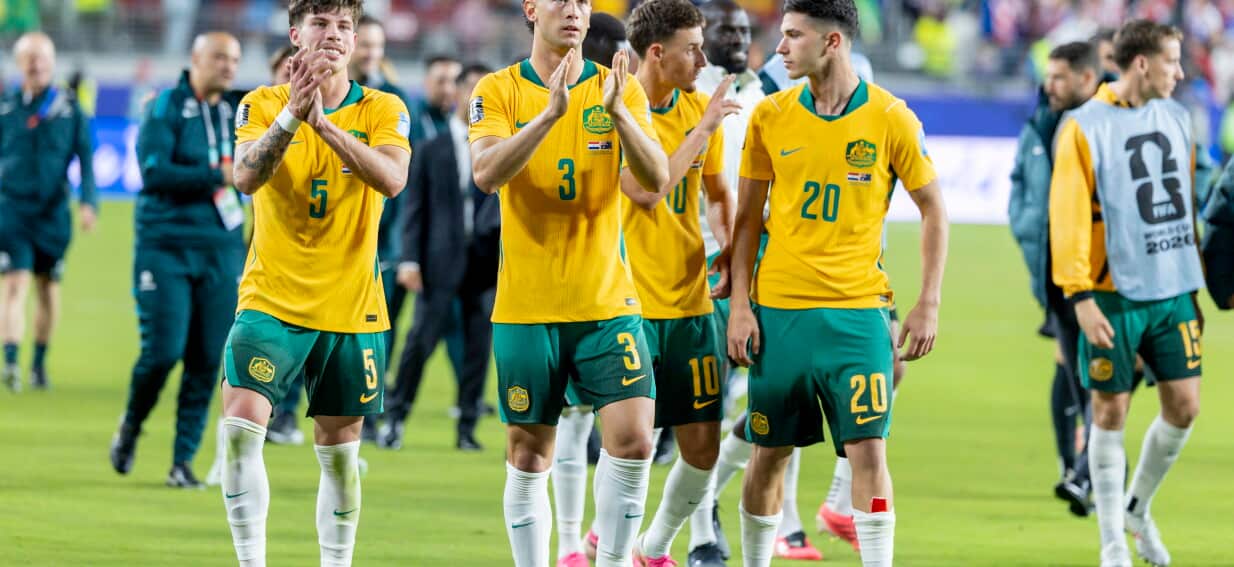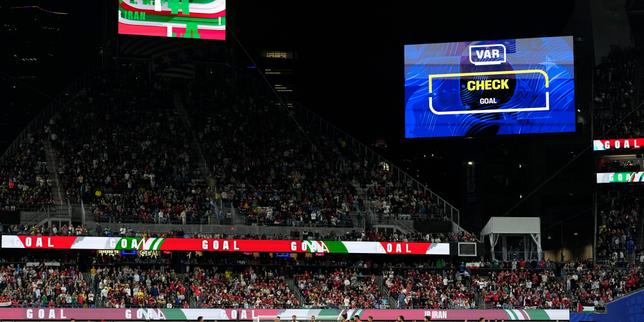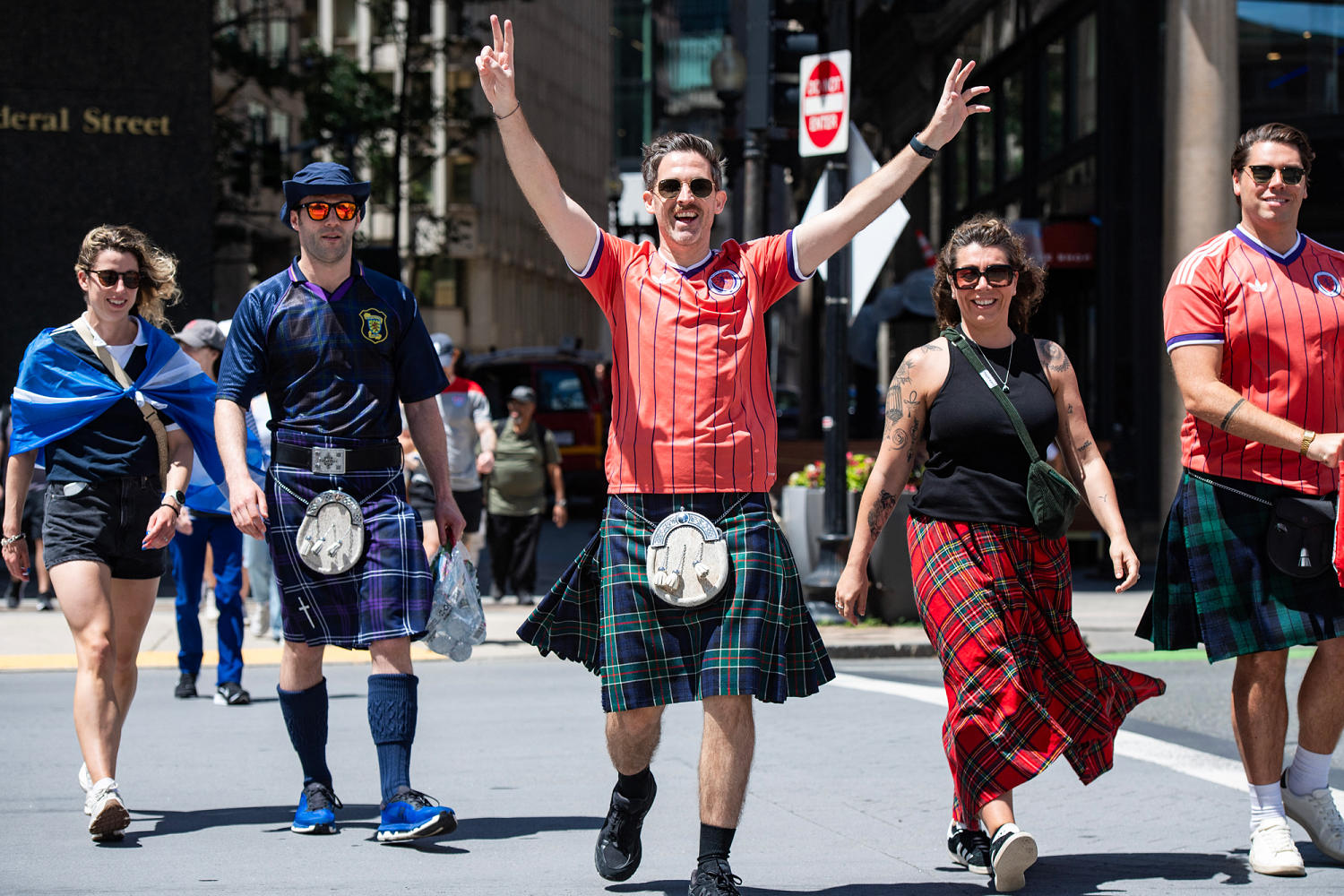
International sports tournaments do not capture domestic markets through athletic performance alone. The expansion of global sports properties into the United States relies on a predictable mechanism of cultural contagion, where localized fan behaviors transform into scalable consumer phenomena. When non-domestic traditions—such as Iceland's synchronized stadium chants, Scotland's systematic city takeovers, or viral individual spectator performances—penetrate the American sports consciousness, they follow a structural blueprint defined by behavioral economics, identity optimization, and media amplification.
Analyzing these trends requires moving past sentimental narratives about unity and passion. Instead, the domestic adoption of foreign fan rituals must be evaluated as a highly efficient market entry strategy. The phenomenon operates on a three-part framework: structural novelty, low barriers to participation, and programmatic digital amplification.
The Tripartite Framework of Fan Ritual Migration
To understand why specific international traditions resonate with domestic audiences while others fail to cross borders, we must deconstruct the components of fan engagement into variables that dictate viral velocity and cultural retention.
                  [ Cultural Phenomenon ]
                            │
         ┌──────────────────┼──────────────────┐
         ▼                  ▼                  ▼
┌─────────────────┐┌─────────────────┐┌──────────────────┐
│Structural       ││Low Barriers to  ││Programmatic     │
│Novelty          ││Participation   ││Digital Scale    │
└─────────────────┘└─────────────────┘└──────────────────┘
1. Structural Novelty and Auditory Coherence
The first variable dictates that a ritual must contrast sharply with established domestic fan behaviors. American sports culture historically relies on fragmented, organic noise or top-down, stadium-led audio cues (such as organ prompts or digital display directives). International exports break this pattern by introducing unified, low-frequency, synchronized behaviors.
The auditory impact of thousands of individuals moving or shouting in perfect unison creates a stark contrast against a disorganized soundscape. This visual and auditory coherence instantly triggers the attention of broadcast directors, securing outsized media real estate without capital expenditure.
2. Low Barriers to Physical Participation
A successful cultural export must possess an accessible operational structure. If a ritual requires deep historical literacy, complex linguistic capabilities, or specialized equipment, its expansion potential remains capped within the primary diaspora.
Conversely, behaviors rooted in basic human kinetics—such as rhythmic clapping, linear swaying, or adopting a uniform color palette—allow uninitiated domestic spectators to transition from observers to active participants within a single iteration. This reduces cognitive friction and accelerates group adherence.
3. Programmatic Digital Scale
The final component rests on the content's mathematical compatibility with modern distribution algorithms. High-density, short-duration visual spectacles align perfectly with short-form video architectures. A localized phenomenon occurring within a 90-minute match window is systematically carved into looping, high-engagement digital assets that circulate globally independent of the live broadcast, decoupled from the actual sporting outcome.
The Behavioral Economics of Voluntary Fan Mobilization
The migration of international fan trends into the United States reveals a fundamental shift in how modern consumers extract value from live events. Traditionally, sports consumption was passive, structured around the purchase of a ticket and the observation of an external competitive event. The modern framework treats the spectator base as an active co-creator of the event ecosystem.
This transition is driven by two primary economic and psychological incentives:
- Identity Optimization: Spectators seek high-yield opportunities to signal group affiliation. Participating in a distinct, visually striking ritual provides an immediate, low-cost mechanism to acquire social capital within both digital and physical networks.
- The Experience Premium: As live broadcast quality improves, sports franchises must justify the rising cost of physical attendance. Replicating a highly immersive, participatory atmosphere serves as a critical defense against audience attrition to home viewing options.
The underlying economic engine relies on a network effect where each additional participant increases the utility and visual weight of the ritual, lowering the psychological friction for subsequent observers to join.
Deconstructing the Market Penetration of the Tartan Takeover
The systematic occupation of host cities by international supporters—exemplified historically by Scotland's travel contingents—offers a clear model for localized economic dominance and brand positioning. This phenomenon passes through three distinct phases that convert cultural identity into temporary urban market control.
[ Phase 1: Spatial Concentration ] ──> [ Phase 2: Cultural Soft Power ] ──> [ Phase 3: Commercial Capture ]
Phase 1: Spatial Concentration
The strategy relies on a deliberate rejection of decentralized tourism. Arriving fan bases establish a singular, high-visibility geographic anchor within a host city, typically a major public square or an entertainment district. This dense concentration creates a micro-environment that completely alters the local sensory and commercial landscape.
Phase 2: Cultural Soft Power Neutralization
Large-scale fan occupations carry an inherent risk of civil friction or localized anxiety. The success of specific fan groups relies on the execution of non-threatening, highly visible public theater. By leading with self-deprecating humor, communal music, and structured friendliness, the visiting population neutralizes municipal resistance and transforms potential security concerns into civic spectacles.
Phase 3: Commercial Capture and Local Value Creation
This concentrated presence acts as a massive demand shock for local hospitality ecosystems. High-velocity consumption patterns focused on food, beverage, and retail sectors turn a cultural occupation into a significant short-term revenue driver for small businesses. Municipalities and local merchants become active enablers of the foreign fan identity because the economic return scales linearly with the visibility of the activation.
The Bottlenecks and Structural Limitations of Fan Export Models
While the strategic deployment of cultural fan trends offers substantial opportunities for market expansion, the model faces distinct limitations that prevent infinite scaling. Organizations attempting to manufacture or import these behaviors must account for three structural friction points.
The Dilution Variable
When a ritual is separated from its historical and geographical point of origin, it loses its foundational meaning. An imported chant or behavior utilized by a domestic franchise lacks the generational trauma or triumph that originally forged the tradition. Over time, this detachment transforms a deeply meaningful cultural expression into a superficial marketing gimmick, accelerating consumer fatigue and lowering long-term retention rates.
The Authenticity Bottleneck
Domestic sports organizations frequently attempt to reverse-engineer organic fan behaviors through top-down corporate initiatives. These manufactured attempts routinely fail. Fans possess an acute sensitivity to forced commercialization; if a ritual is perceived as an engineered play to drive merchandise sales or sponsor integrations, the core consumer base rejects it. True behavioral adoption must emerge laterally from the spectator pool rather than being dictated by stadium public address systems.
Regulatory and Infrastructure Constraints
International fan behaviors are frequently built on loose regulatory environments that allow for pyrotechnics, standing zones, and uncoordinated street marches. The highly litigious, securitized, and seated nature of major American sports venues presents an immediate structural barrier. Strict stadium policies regarding fan movement, alcohol consumption, and safety protocols can neuter the visceral energy that makes international traditions compelling in their native environments.
Quantifying the Value of Cultural Assets in Sports Properties
To integrate these concepts into a commercial strategy, sports executives must assign value to fan engagement using metrics beyond traditional ticket sales and linear viewership ratings. The true value of a culturally resonant fan base can be evaluated through an equation that measures the lifetime value of an engaged fan relative to the cost of acquisition, amplified by their organic distribution power.
We can express the efficiency of cultural fan acquisitions using a conceptual efficiency index ($E$):
$$E = \frac{V_{m} \cdot A_{c}}{C_{a}}$$
Where:
- $V_{m}$ represents the viral velocity and multi-platform media reach generated directly by uncompensated fan actions.
- $A_{c}$ represents the audience retention coefficient, measuring how effectively a fan ritual converts a casual spectator into a long-term subscriber.
- $C_{a}$ represents the capital expenditure allocated by the organization to initiate or support the activation.
When fan groups self-organize and execute complex, high-impact spectacles, $C_{a}$ approaches zero, driving the efficiency index exponentially higher than traditional paid marketing campaigns. This economic reality explains why major leagues are prioritizing the internationalization of their fan experiences.
Strategic Playbook for Domestic Sports Franchises
Domestic sports organizations, media networks, and corporate sponsors cannot afford to view international fan trends as mere curiosities. They represent a clear blueprint for driving monetization and audience growth in an increasingly fragmented media market. The following protocols outline how entities can operationalize these insights.
Portfolio Diversification via Fan Subcultures
Organizations must stop viewing their match-day attendees as a single, uniform block. Instead, management teams should actively identify, support, and clear operational paths for distinct, self-organizing supporter subcultures within their venues. This involves designating specific sections of an arena to operate under relaxed structural constraints, allowing for flag deployment, instrument integration, and standing-only environments. By giving up top-down control over these micro-zones, franchises allow the organic friction necessary to generate authentic traditions to occur naturally.
Broadcast Architecture Reengineering
Media production teams must shift away from standard tight-angle game tracking to systematically capture the stadium's wider environmental context. Cameras must treat the supporter sections not as cutaway filler material during commercial breaks, but as a primary narrative driver of the broadcast. Audio engineering must adapt to isolate and elevate the collective acoustics of the crowd, projecting the physical intensity of the live environment directly into the home or mobile viewing experience.
Non-Invasive Sponsor Integration
Brands seeking to capitalize on these high-engagement fan movements must avoid direct logo placement or explicit commercial messaging over the ritual itself. The optimal play involves underwriting the operational infrastructure that makes the fan expression possible. A sponsor that funds travel logistics for supporter groups, covers the material costs of massive stadium displays, or provides digital platforms for fan coordination secures deep brand loyalty without triggering the authenticity bottleneck.
The organizations that win the next decade of sports consumption will not be those that simply buy the rights to elite athletic talent. The ultimate market advantage belongs to the properties that master the structural transmission of cultural identity, turning passive media consumers into passionate, lifetime participants.