Everyone expected a crash. When the news broke that major oil producers were planning a coordinated, "extraordinary" surge in supply or a shift in policy, the headlines suggested we’d see a massive relief in energy costs. It didn't happen. In fact, crude futures stayed stubborn, and if you’ve filled up your tank lately, you know the "discount" never arrived.
The reality is that the oil market doesn't care about press releases. It cares about physical barrels and the terrifying math of global refining capacity. You’re being told one story by politicians and another by the actual ticker tape. The disconnect exists because the paper market—where traders bet on the future—is currently obsessed with geopolitical risk premiums that no amount of extra pumping can easily erase.
The Mirage of Increased Production
We often hear about OPEC+ or domestic producers "opening the taps." It sounds simple. You turn a valve, more oil flows, and prices drop. That’s a fantasy. In the real world, the lag between an announcement and a physical barrel hitting a refinery in New Jersey or Rotterdam is months, not days.
Traders aren't stupid. They look at the "spare capacity" numbers. When a country claims they'll increase production, the market immediately asks if they actually have the infrastructure to do it. Many nations are already struggling to meet their current quotas due to aging fields and a lack of recent investment. If the market suspects an announcement is just political theater, the price won't budge an inch.
Refining is the real bottleneck. You can have a sea of crude oil, but if the plants that turn it into gasoline and diesel are running at 95% capacity, that extra crude just sits in a tank. We haven't built a major new refinery in the United States in decades. We’re working with old gear. When one plant in the Midwest goes down for "seasonal maintenance," it has a bigger impact on your wallet than a million-barrel-a-day announcement from across the globe.
Why Geopolitics Trumps Supply News
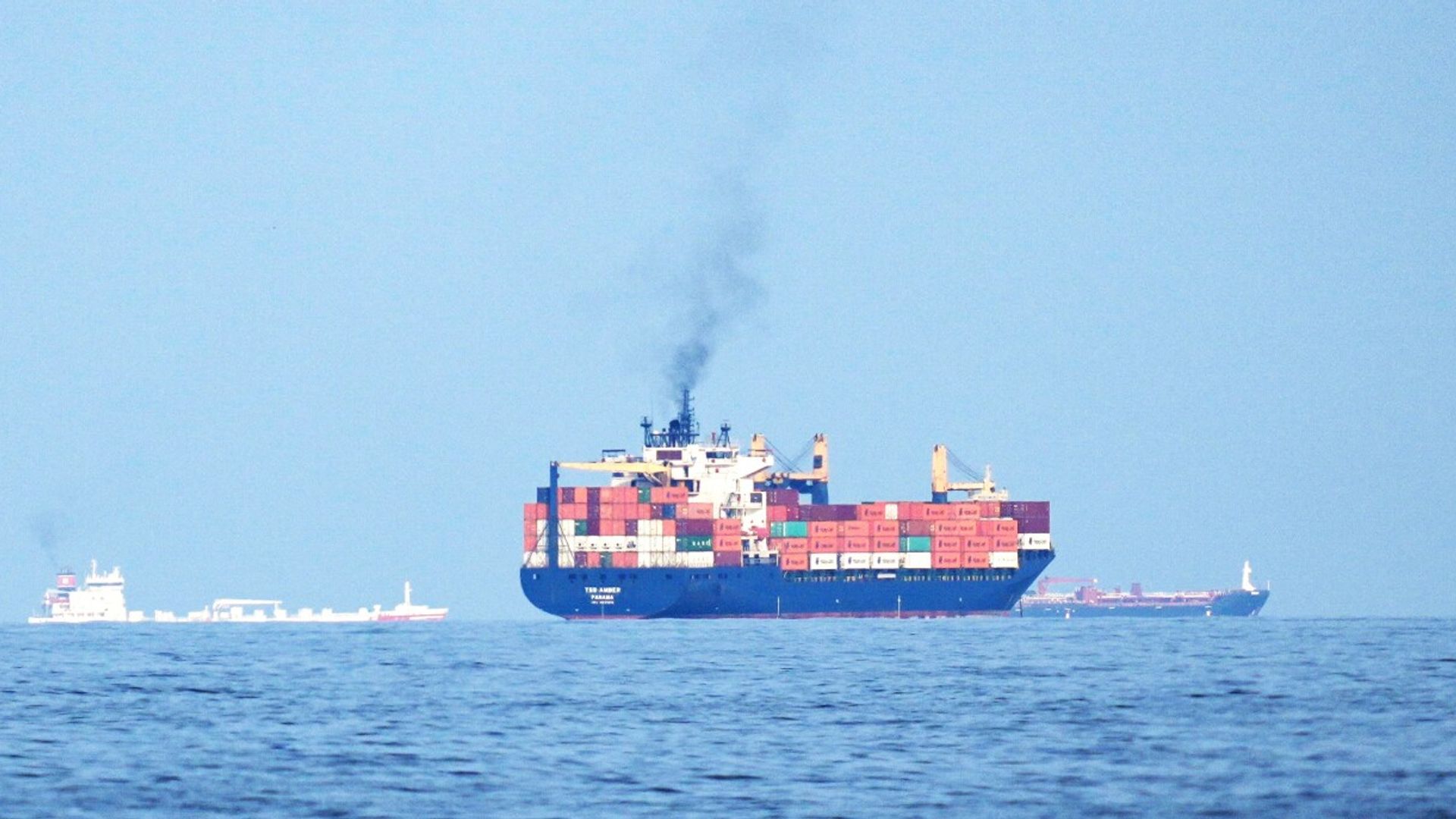
Right now, the world is on edge. We have active conflicts in energy-rich regions and shipping lanes that feel more vulnerable than ever. This creates a "risk premium." Think of it as an invisible tax on every barrel of oil.
Even if supply goes up, traders keep the price high because they’re scared of a sudden "black swan" event. What if a drone hits a major processing hub? What if a narrow strait is blocked? As long as these "what ifs" dominate the news cycle, the floor for oil prices remains much higher than the supply-and-demand charts suggest it should be.
- Shipping costs are soaring. It’s not just the oil; it’s the cost of moving it. Insurance for tankers in high-risk zones has skyrocketed.
- Currency fluctuates. Since oil is priced in dollars, a strong dollar makes energy more expensive for everyone else, dampening the "relief" of any supply increase.
- Inventory levels are low. We’re operating on thin margins. When global stockpiles are below historical averages, the market reacts violently to even tiny disruptions.
The Paper Market vs the Physical Market
You’ve got to understand the difference between a barrel of oil and a contract for a barrel of oil. Most of the "price" of oil is determined by people who will never actually touch a drop of the stuff. These are hedge funds, banks, and algorithmic traders.
These players react to sentiment. If the Federal Reserve hints at keeping interest rates high, traders might sell off oil because they expect a recession to kill demand. If they think inflation is sticky, they buy oil as a hedge. This financialization means that an announcement about supply is just one tiny data point in a sea of macro-economic noise.
Sometimes, an "extraordinary" announcement actually signals desperation. If a major producer group suddenly changes course, the market might interpret it as a sign that global demand is cratering faster than expected. Instead of a controlled price drop, you get volatility. High volatility is the enemy of low prices. It makes everyone in the supply chain—from the driller to the gas station owner—keep their prices higher to protect against the next swing.
The Inventory Trap
Look at the Strategic Petroleum Reserve (SPR) or commercial crude inventories. When these are low, any "new supply" just goes into refilling the holes. It doesn't reach the consumer. We’ve spent years drawing down stocks to manage short-term crises. Now, we’re in a position where we have to buy that oil back. That constant buying pressure from governments creates a permanent floor. You can’t bring prices down when the world’s biggest buyers are waiting to pounce on every dip to replenish their own emergency stashes.
Stop Watching the Headlines and Watch the Spread
If you want to know where prices are actually going, stop reading the "breaking news" about production hikes. Look at the "crack spread." That’s the difference between the price of crude oil and the price of the finished products like gasoline.
If the crack spread is high, it means refineries are the ones making the money, and your prices won't drop even if crude goes to $40 a barrel. We’re currently in a period of high refining margins. Demand for middle distillates—diesel and jet fuel—is incredibly strong. Since a refinery produces a mix of products, the high demand for diesel keeps the price of gasoline propped up. It’s an interconnected web that a simple "supply hike" can't untangle.
Energy policy is moving toward "green" transitions, which sounds great for the planet but terrible for short-term oil prices. Companies are hesitant to spend billions on new oil rigs or refineries if they think those assets will be obsolete in 15 years. This lack of "long-cycle" investment means we’re stuck with what we have. We’re squeezing more out of old rocks, and that’s expensive.
The Path Forward for Smart Observers
Don't get fooled by the next "extraordinary" headline. If you're trying to project your business costs or plan a long trip, look at the physical reality. Check the refinery utilization rates in your region. Look at the total global inventory levels, not just the US numbers.
The era of cheap, easy energy is hitting a structural wall. Supply announcements are a band-aid on a broken leg. Until we see a massive, multi-year investment in refining and a cooling of global tensions, that $100-a-barrel shadow is going to hang over us.
Start looking at energy efficiency as a permanent requirement rather than a temporary fix. Monitor the EIA (Energy Information Administration) weekly status reports for actual inventory changes. Those numbers don't lie, even when the press releases do.