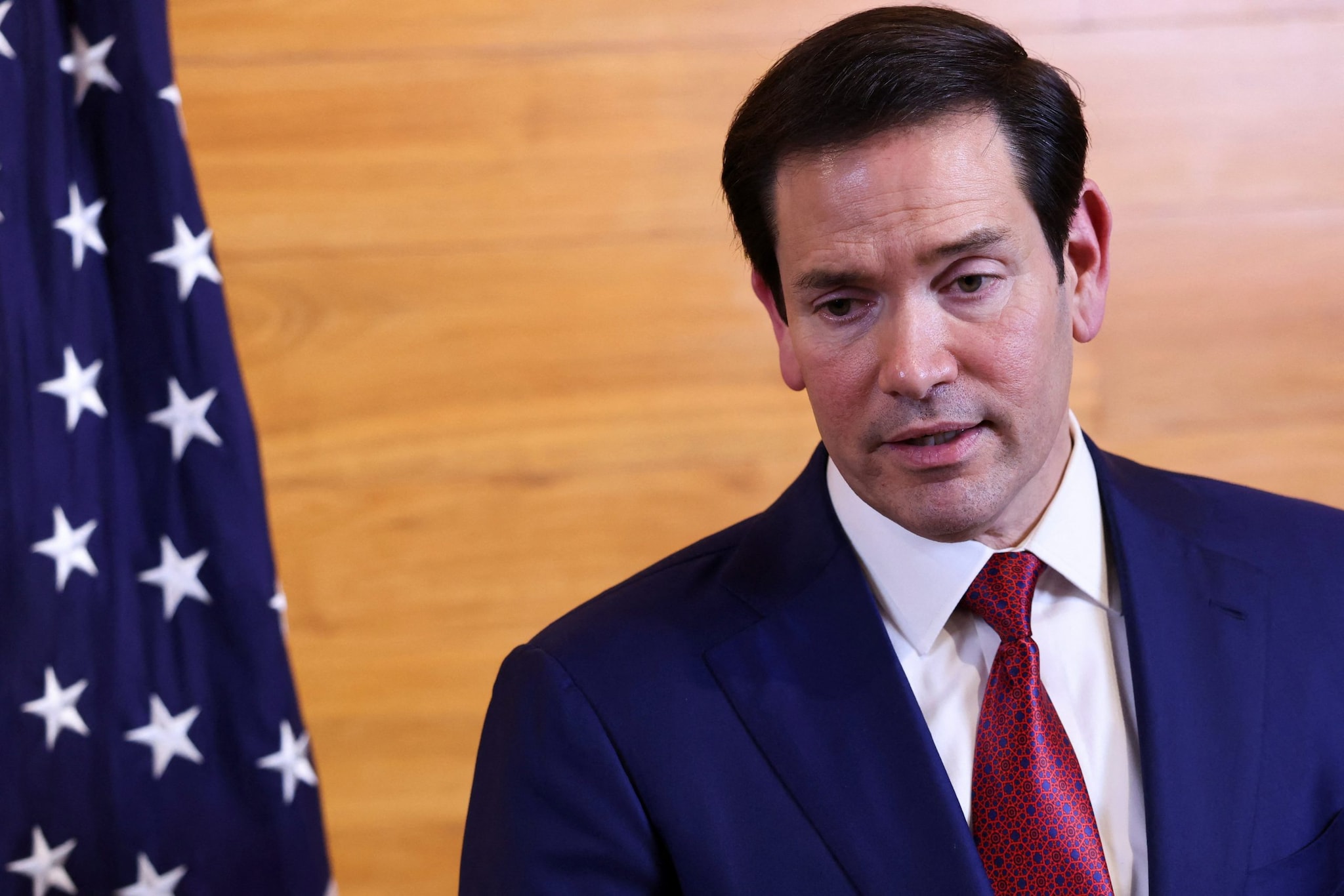
Don't let the dry diplomatic headlines fool you. When US Secretary of State Marco Rubio touches down in India this May, it isn't just another photo op or a "productive dialogue" to be filed away and forgotten. We're looking at a fundamental rewiring of how the world's two largest democracies trade, and if you're involved in manufacturing, tech, or energy, the stakes couldn't be higher.
The backdrop is messy. Just months ago, the US-India relationship felt like a series of friction points. We had soaring tariffs, heated arguments over Russian oil, and a general sense of "what now?" Then February 2026 changed the math with a trade agreement that slashed some tariffs from 50% to 18%. But let's be real: a framework is just a piece of paper until the top brass starts hammering out the implementation. That’s why Rubio’s visit is the main event. He isn't coming to chat; he's coming to seal the deals that decide who wins in the new Indo-Pacific economy.
Breaking the Tariff Trap
For years, doing business between the US and India felt like running an obstacle course. You had high import duties on one side and complex regulatory hurdles on the other. The 64% reduction in certain tariffs announced earlier this year was a massive first step, but the "how" and "when" remain blurry.
Rubio’s mission in New Delhi is to turn that 18% figure into a reality for specific sectors. I’m talking about advanced manufacturing and tech components. If you've been waiting to move supply chains out of other parts of Asia, this is your green light. The goal here is "predictability." Businesses hate surprises, and the last few years have been full of them. This trip is about locking in the rules so a company in Ohio or a startup in Bengaluru can actually plan for 2027 without fearing a sudden 15% tax hike overnight.
The Critical Minerals Gambit
We need to talk about what’s really under the hood of this visit: critical minerals. You can't build an EV, a smartphone, or a missile system without lithium, cobalt, and rare earth elements. Right now, the supply chain for these materials is dangerously concentrated.
Rubio and Indian Foreign Secretary Vikram Misri have already been laying the groundwork for a "Critical Minerals Partnership." This isn't just some vague environmental goal. It’s a hard-nosed security strategy. India has the processing potential; the US has the tech and the capital. By aligning on these, both nations are trying to insulate themselves from global supply shocks. If you're in the battery or semiconductor space, pay close attention to the joint statements coming out of this trip. They’ll likely outline new "fast-track" approvals for joint ventures in mineral refining.
Why the Quad is the Secret Sauce
People often pigeonhole the Quad—the US, India, Japan, and Australia—as a purely military grouping. That’s a mistake. The Quad is increasingly becoming a tech-standards body. During his May visit, Rubio is expected to push for shared standards in AI and telecommunications.
Why does this matter to you? Because if the US and India agree on how AI should be regulated or how 6G networks should be built, that becomes the default for half the world’s market. It’s about creating a "trusted ecosystem." If you’re a developer or a tech founder, these high-level meetings are essentially setting the "building codes" for the next decade of digital infrastructure.
The Energy Elephant in the Room
Let’s be honest about the tension points. India’s appetite for Russian crude has been a thorn in Washington’s side for a while. However, we're seeing a shift. Recent data shows Indian refineries like Reliance are starting to pivot, with some imports from Russia hitting zero in early 2026.
Rubio isn't going to India to lecture them on oil; he’s going there to offer alternatives. Expect big talk around civilian nuclear technology and Small Modular Reactors (SMRs). The US wants to help India go green not just for the planet, but to decouple New Delhi’s energy security from Moscow. For US energy firms, this visit is essentially a massive sales mission for nuclear and LNG technology.
What You Should Do Now
If you’re waiting for the official "Final Report" to drop in June, you’re already behind. The momentum from this visit will trigger a wave of new investment. Here’s how to play it:
- Review your supply chain geography. With tariffs dropping to 18%, the cost-benefit analysis for sourcing from India has shifted. Do the math again.
- Watch the visa talk. While trade gets the headlines, watch for any mention of H-1B or L-1 visa "streamlining." India always pushes for this, and any concession here is a huge win for the tech services sector.
- Audit your "Trusted Content." If you're in tech, ensure your hardware and software stacks align with emerging US-India security standards. The "China Plus One" strategy is evolving into a "Trusted Partner Only" strategy.
The Rubio visit is the signal that the "America First" and "Make in India" ideologies have found a middle ground. They’ve realized they’re more powerful as a bloc than as rivals. Don't get caught wondering why your competitors are suddenly getting cheaper components and faster shipping times. The pivot is happening in May. Get your strategy ready.