Silence has a weight. I have felt it press against the walls of an empty kitchen, the kind of silence that arrives when a family name is spoken only in whispers, or worse, not spoken at all.
Thousands of miles away from the high-altitude plateaus of Central America, in the bustling avenues of Buenos Aires, a different kind of sound filled a conference room last week. It was the sound of paper turning. It was the careful, measured cadence of testimony.
A delegation of Uyghur representatives had traveled across hemispheres, carrying with them something heavier than luggage. They brought memories of vanished uncles, unreturned phone calls, and an entire culture slowly being pressed through the fine mesh of administrative erasure. In a series of quiet, tense meetings with United States representatives on the sidelines of international diplomatic engagements, they laid out the architecture of modern disappearance.
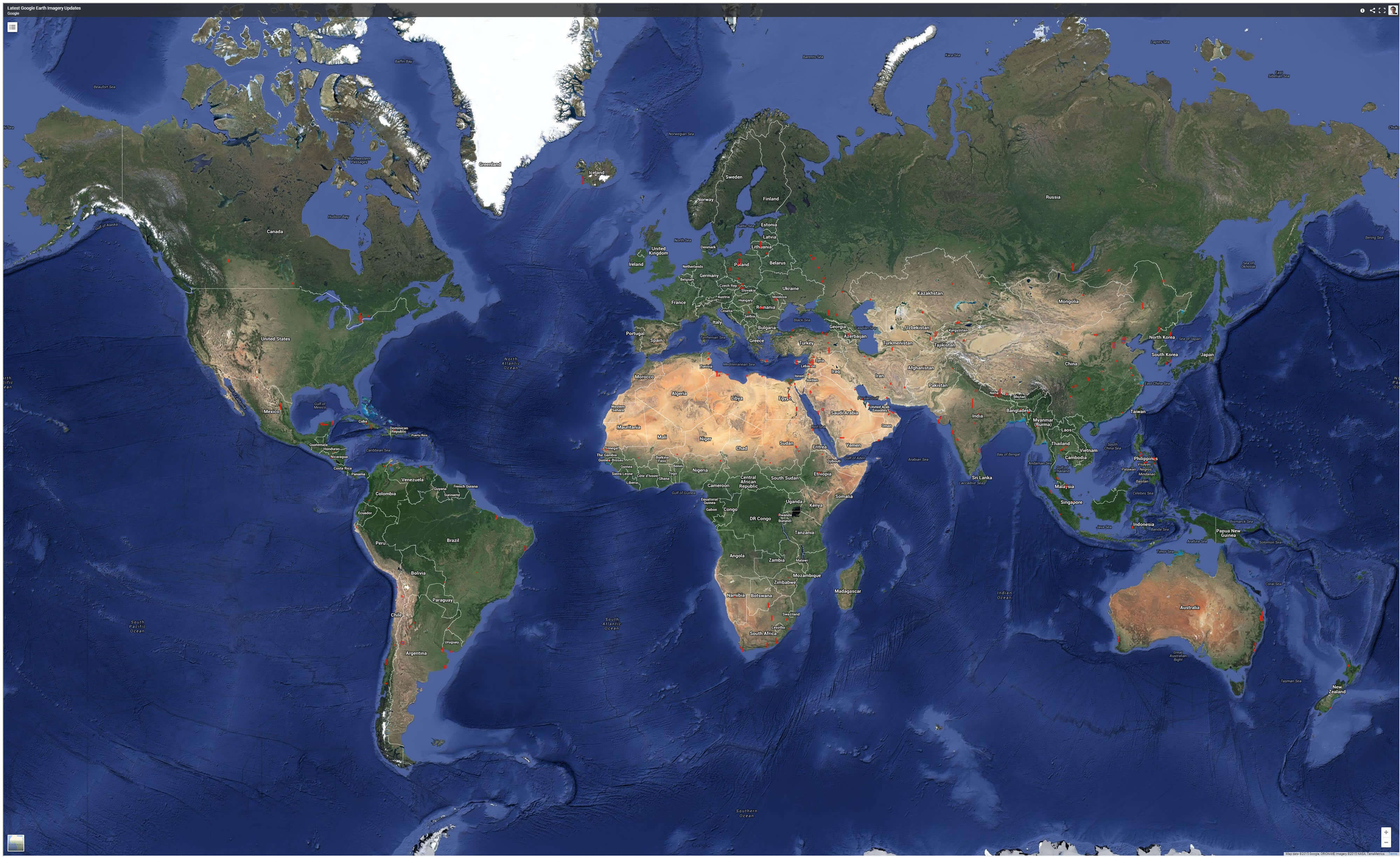
Xinjiang is a name that sounds distant to most. A remote province on the map, shaded in muted colors by cartographers who have never tasted the dust of the Taklamakan Desert. But distance is a clever illusion. When human rights are quietly dismantled in one corner of the globe, the shockwaves eventually reach every shoreline.
Consider what happens when a government decides that a people's language is a security risk.
Imagine a hypothetical teacher, let us call her Gulnur, sitting in a classroom in Urumqi a decade ago. She corrects a student’s pronunciation in the Uyghur tongue. It is a mundane act. An act of routine affection. Today, that exact correction can be classified as a symptom of ideological deviance. The books are burned. The minarets are lopped off like unwanted branches. And the people—millions of them—are funneled into a vast network of camps that officials once denied, then defended, and finally tried to normalize as vocational training centers.
Vocational. A neat word. A word designed to put bureaucrats to sleep.
When you sit across from someone who has spent years searching for a living relative in a database of the missing, statistics dissolve. The numbers—one million detained, countless separated, generations fractured—stop being figures on a policy brief. They become faces. They become eyes staring across a polished wooden table in Argentina, asking a simple question: Does the world still remember how to see us?
Diplomacy is often a slow dance of self-interest. Nations trade wheat for steel, sign treaties in grand halls, and look away when things get complicated. Realpolitik dictates that convenience trumps conscience. Yet, history has a stubborn habit of collecting the receipts. Every ignored letter, every hushed diplomatic cable, every closed embassy door leaves a stain that later generations must scrub away with difficulty.
This is why the meeting in Buenos Aires matters.
It is easy to dismiss these diplomatic summits as symbolic theater. Cynics will shrug and ask what a conversation in South America can possibly change for a shepherd in Kashgar or a student in exile. But symbols are the scaffolding of reality. When American officials sit down with Uyghur advocates in a neutral nation, they are drawing a boundary line in the sand. They are saying that geography does not dilute accountability. They are signaling that the machinery of mass surveillance and cultural erasure cannot operate entirely in the dark.
The Uyghur crisis is not merely an issue of foreign policy or distant geopolitics. It is a test of our collective imagination. Can we care about suffering that does not speak our language, eat our food, or live on our street?
I remember talking to a man who had fled his homeland years ago. He showed me a photograph on a cracked smartphone screen. It was an ordinary picture: an old man sitting on a wooden stool, peeling an apple with a small knife, surrounded by grandchildren.
"This is my father," the man told me. His voice did not shake. That frightened me more than tears would have. "I have not heard his voice in six years. I do not know if he is in a camp, or a cemetery, or living under an alias in his own home. Every time my phone rings at night, my stomach drops. I wait for the news that he is gone."
That is the true footprint of Xinjiang rights concerns. It is not just about satellite imagery showing barbed wire and watchtowers, though those images are damning enough. It is about the perpetual twilight of the left-behind. It is about the psychological torture of absence.
When the delegation met with US representatives in Argentina, they were not just fighting for legal definitions or sanctions. They were fighting against erasure. Totalitarian control aims for absolute silence. It wants the victims to vanish so thoroughly that even their ghosts forget they existed. Every time a Uyghur voice is amplified on an international stage, that absolute silence cracks.
We live in an era obsessed with speed and novelty. Headlines flash across our screens for forty-eight hours before being swallowed by the next outrage. But some stories refuse to die quietly. They travel across oceans, slipping past censors and security cordons, landing in unexpected cities like Buenos Aires, demanding to be heard by anyone willing to listen.
The meeting ended. The diplomats packed their briefcases. The cameras clicked, capturing handshakes that will be filed away in archives and news summaries.
Outside, the streets of Argentina hummed with the ordinary rhythm of life. Taxis honked. Cafes filled with the scent of roasted coffee. People walked by, wrapped in their own concerns, completely unaware of the quiet earthquake that had just occurred in a nearby conference room.
But back in the quiet kitchens of the diaspora, and deep within the guarded checkpoints of the far west, the echoes of those conversations continue to ripple outward. Truth has a long half-life. You can bury it beneath mountains of propaganda, lock it behind high walls, or ignore it for the sake of economic convenience.
Eventually, the earth shifts. And the map reveals what was hidden all along.