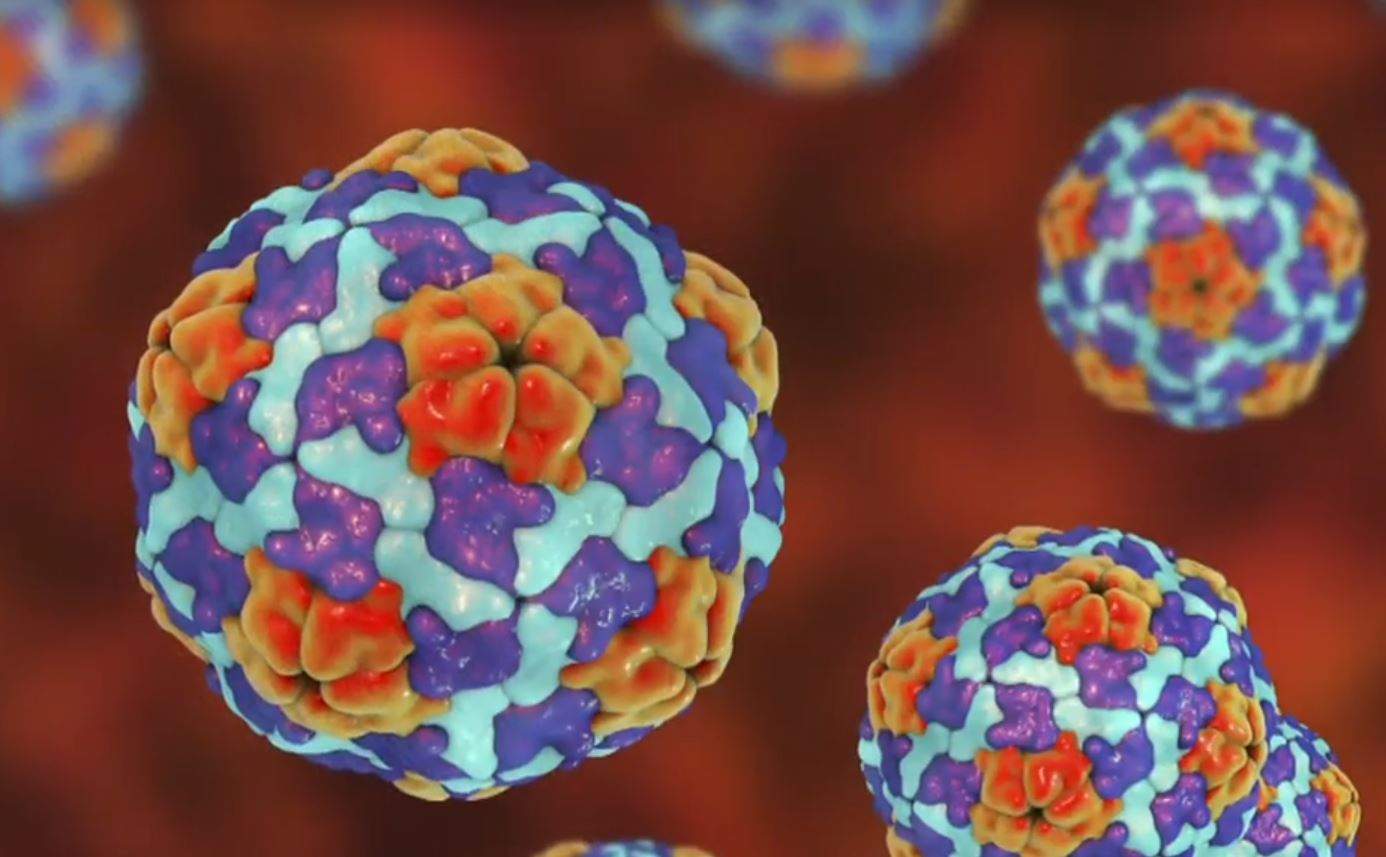
Manitoba’s health officials just dropped a reality check that nobody wanted to hear. What started over a year ago in remote northern communities has now officially spiraled into a province-wide crisis. If you thought this was a "contained" issue, think again. As of early May 2026, the numbers are grim: 601 confirmed cases, 133 hospitalizations, and three deaths.
The virus isn't just staying in one place. It’s moving through our cities and our most vulnerable populations. Most people assume Hepatitis A is something you only worry about when traveling to a tropical resort with questionable water. But right now, the risk is right here in Winnipeg and across several First Nations communities.
The Shift from Remote to Urban
When this outbreak was first declared in April 2025, the focus was almost entirely on the Island Lake area. It was a localized tragedy fueled by a systemic failure: a lack of basic sewage and water infrastructure. Honestly, it’s a disgrace that in 2026, inadequate plumbing is still driving a viral outbreak in this province.
But the virus didn't stop at the borders of Garden Hill or St. Theresa Point. It hitched a ride. We're now seeing a dual-front battle. On one side, you have remote communities still struggling with environmental transmission. On the other, you have Winnipeg, where the virus has found a foothold in the shelter system and among people experiencing homelessness. Of the 601 total cases, 131 are now in Winnipeg.
This isn't a "northern problem" anymore. It's a Manitoba problem.
Why this strain is hitting harder
One of the most alarming things about this specific outbreak is the severity. Normally, Hepatitis A is a "tough it out" kind of illness for healthy adults, and many kids don't even show symptoms. But a 22% hospitalization rate is massive. Five people have ended up in the ICU.
The data suggests this single strain is particularly aggressive, or it's hitting people whose immune systems are already under stress. When you combine a long incubation period—averaging about 28 days—with the fact that people can spread it before they even feel sick, you get a recipe for a runaway train.
Public Exposure and the Invisible Threat
Public health recently flagged two major exposure sites in Winnipeg. This is where it gets real for the average person grabbing a quick lunch or attending a community event:
- Burger King at 333 Home St.: Potential exposure between April 8 and April 23, 2026.
- Augustine United Church at 444 River Ave.: Potential exposure on April 19, 2026.
If you were at these spots, the window for "preventative" action is closing fast. The Hepatitis A vaccine is incredibly effective, but only if you get it within 14 days of being exposed. If you’re past that window, you're basically in wait-and-see mode.
What to look for
Don't wait for jaundice (yellowing of the skin or eyes) to show up. That’s often a late-stage symptom. The early signs feel like a bad case of the flu:
- Sudden fever and tiredness.
- Loss of appetite and nausea.
- Dark urine or clay-colored stools.
- Abdominal pain, specifically on the right side under your ribs.
If you feel like this and you’ve been near an exposure site, don't just "sleep it off." Call your doctor or Health Links at 204-788-8200.
Breaking Down Vaccine Eligibility
The province has expanded free vaccine eligibility because, frankly, they're trying to build a human firewall. You don't have to pay for the shot if you fall into these groups:
- Residents or visitors of Island Lake (Garden Hill, St. Theresa Point, Wasagamack, Red Sucker Lake), Peguis, War Lake (Ilford), and Bloodvein River First Nations.
- Anyone working in or traveling to these communities.
- People experiencing homelessness or using the shelter system in Winnipeg.
- People who use drugs or have high-risk medical conditions like chronic liver or renal disease.
If you’re a healthy person with a stable home and no travel plans to these areas, you aren't "eligible" for the free version, but you can still buy it. If you’re worried, just get it. It’s two doses for lifetime protection.
This Isn't Just About Hygiene
It’s easy for health officials to say "wash your hands." And yes, you should. Use soap and water for at least 20 seconds after using the bathroom or before touching food. Hand sanitizer is okay in a pinch, but it doesn't beat the friction of a good scrub.
But we have to be honest: you can’t "hand wash" your way out of a sewage crisis. Until the infrastructure in northern Manitoba is brought up to the same standard as the rest of the country, these outbreaks will keep happening. The virus is just the symptom; the living conditions are the disease.
Your Next Steps
If you think you've been exposed, call Health Links immediately. They can tell you if you're still in the window for a shot that can stop the virus in its tracks. If you live or work in any of the high-risk communities mentioned, find a clinic and get vaccinated.
Check your records. Many people born before the mid-90s haven't had this shot as part of their routine childhood series. Don't assume you're protected just because you had your "regular" shots. This outbreak is growing, and it doesn't look like it's peaking yet. Protect yourself now before the next public exposure notice hits the news.