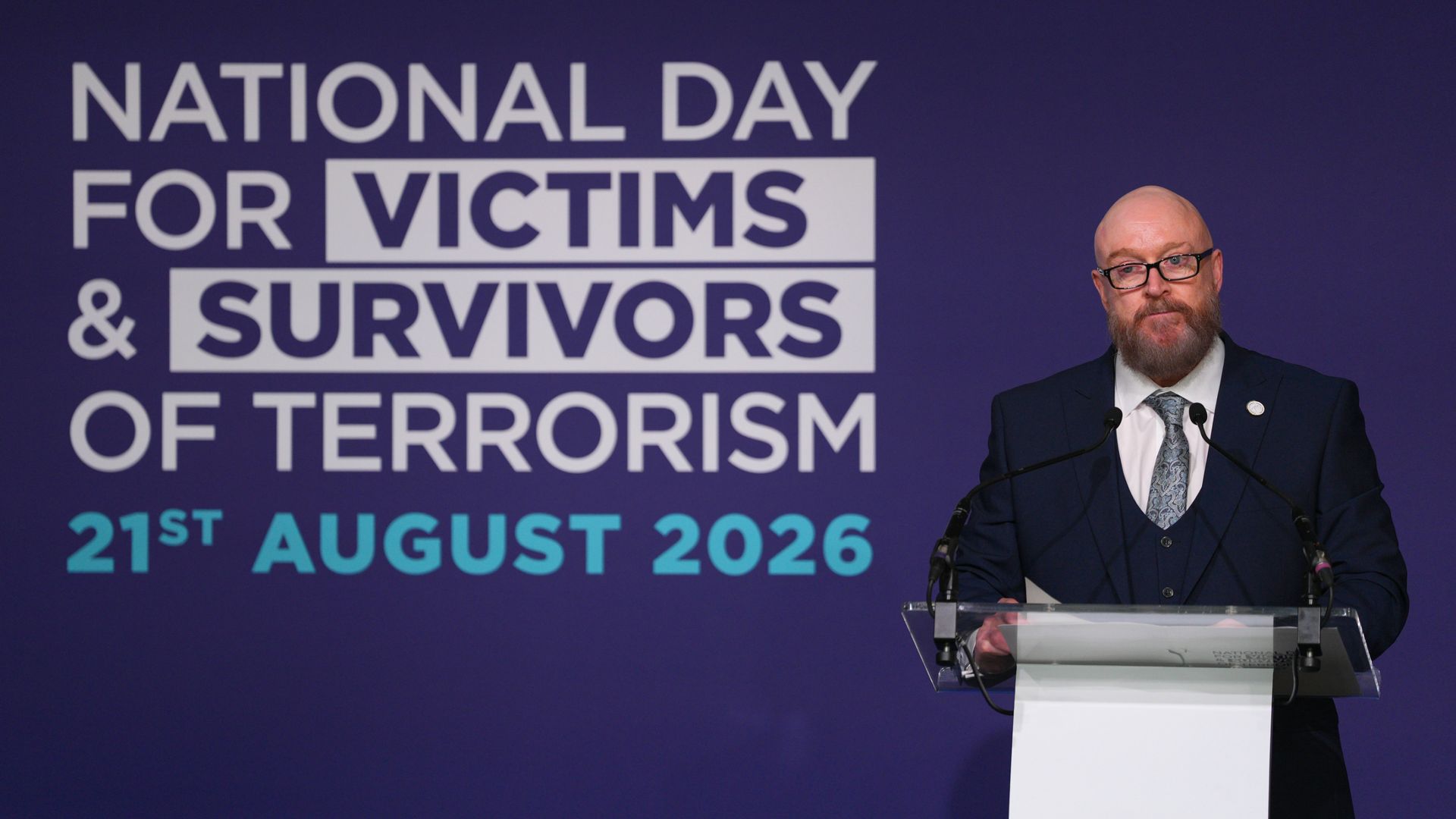
Years after the smoke clears and the headlines fade, the true cost of mass violence reveals itself in quiet living rooms, medical clinics, and broken sleep schedules. When a survivor of the Manchester Arena attack speaks out about trauma lasting for years, they are articulating a reality that emergency response manuals routinely ignore. The physical injuries heal or stabilize within months. The psychological architecture of a human being takes much longer to reconstruct, and sometimes, it never quite returns to its original blueprint.
Public empathy follows a predictable trajectory. A tragedy occurs, shock ripples through society, politicians pledge reform, and memorials draw crowds. Then the news cycle shifts. The victims are left behind to manage chronic hypervigilance, shattered trust, and complex post-traumatic stress disorder without the cushion of public attention. Understanding the Manchester Arena attack impact requires looking past the immediate aftermath and examining the structural failure of long-term mental health support systems for survivors of terrorism.
The Anatomy of Delayed Psychological Collapse
Trauma does not always present itself immediately. In the days following an explosion, adrenaline and survival instincts carry individuals through the chaos. Many survivors report functioning adequately for weeks or even months, believing they possess exceptional resilience. Then the crash arrives.
This delayed reaction catches families and employers off guard. A sudden loud noise mimics the sound of a detonation. A crowded train station triggers an overwhelming panic response. Routine social interactions become exhausting minefields.
Clinical observations consistently show that post-traumatic stress symptoms can worsen years after an incident. This occurs because the initial coping mechanisms eventually exhaust themselves. The brain stays stuck in a permanent threat-detection loop, flooding the body with cortisol long after the danger has passed.
- Hyperarousal keeps survivors constantly scanning exits in public spaces.
- Avoidance behaviors shrink their worlds until leaving home feels impossible.
- Flashbacks disrupt sleep, eroding physical health through chronic fatigue.
Why Standard Support Systems Fall Short
Government assistance programs and charitable funds often focus on immediate relief. They cover funeral costs, emergency medical bills, and short-term counseling sessions. While vital, these measures treat a chronic condition like an acute injury.
Standard cognitive behavioral therapy offered through public health services typically consists of six to twelve sessions. For someone who has survived a mass casualty bombing, twelve weeks of conversation scratches the surface of a deeply embedded existential wound.
Insurance restrictions and NHS backlogs create frustrating barriers to specialized care. Survivors frequently find themselves bouncing between practitioners who lack specific expertise in terrorism-related trauma. Re-narrating the horror to a rotation of new therapists often retraumatizes the individual rather than healing them.
The financial toll compounds the psychological burden. Chronic anxiety prevents many survivors from maintaining steady employment. Career trajectories derail. Independence vanishes. The state provides a safety net, but it is woven with administrative hurdles that exhaust people who already lack emotional reserves.
The Isolation of the Forgotten Survivor
As the years pass, social circles shrink. Friends and family members grow fatigued by endless grief and unpredictability. Well-meaning acquaintances stop asking how the survivor is doing, assuming that time heals all wounds.
This social abandonment breeds profound loneliness. The survivor feels like an alien in a normal world that expects them to move on. They carry memories that nobody else wants to hear, fearing they will bring down the room or burden others with darkness.
Isolation feeds the trauma loop. Without community validation, survivors internalize their struggles as personal weakness. They blame themselves for not recovering fast enough, unaware that thousands of others share the exact same invisible scars.
Reforming Response Models for the Future
Addressing the long-tail effects of terrorism requires an overhaul of emergency planning. Mental health infrastructure must be embedded into disaster response from day one, with funding guaranteed for a minimum of a decade following any major attack.
Specialized trauma clinics need permanent backing, staffed by clinicians trained explicitly in the complexities of mass violence survivorship. These clinics should offer a continuum of care that adapts as the survivor ages and encounters different life stages, from parenthood to retirement, each of which can trigger new waves of processing.
Until society acknowledges that survival is a lifelong project rather than a single recovery milestone, the invisible casualties of Manchester and similar atrocities will continue to suffer in silence long after the cameras go home.