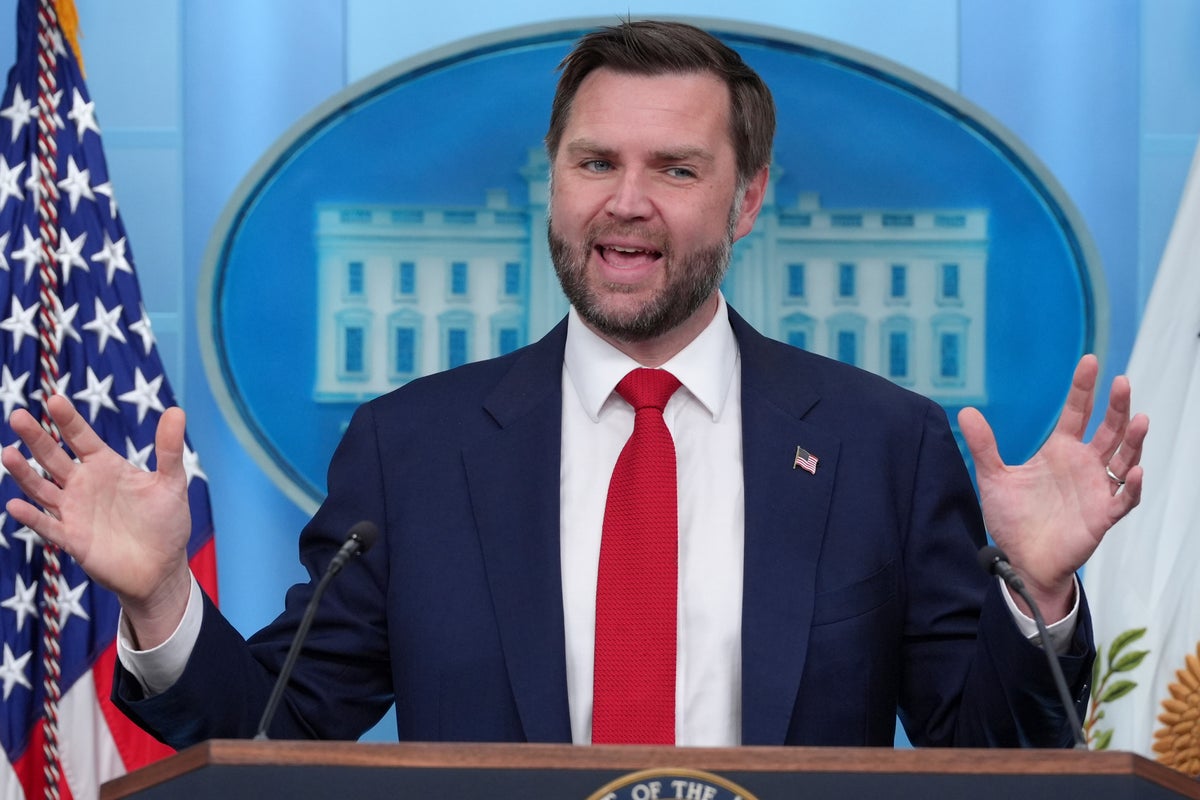
The political press loves a cheap laugh. When JD Vance mentions an appearance on The View in the same breath as global diplomacy, the commentary machine writes itself. The consensus forms within minutes: look at this naive politician equating a daytime talk show with negotiating with nuclear-armed autocrats.
It is a comforting narrative for pundits. It is also entirely wrong.
The legacy media misses the point because they are stuck in a 1990s framework of diplomacy. They believe international relations happen exclusively in wood-paneled rooms in Geneva, driven by state department careerists reading from binders. They do not understand that modern geopolitics is an extension of high-stakes asymmetric information warfare.
If you want to understand how global power actually shifts today, you have to stop looking at traditional diplomatic protocols and start looking at how adversarial attention is managed.
The Myth of the Sacred Diplomatic Venue
Mainstream analysis treats international negotiation as a distinct, almost holy science. They believe that dealing with Vladimir Putin or Xi Jinping requires a specific bureaucratic pedigree. I have watched multinational corporations spend tens of millions on "geopolitical risk consultants" who possess these exact resumes. Nine times out of ten, these consultants fail to predict major shifts because they assume foreign adversaries play by institutional rules.
They do not. Modern autocrats are acute students of Western media dynamics. They do not judge an American leader's resolve by their knowledge of 1970s treaties. They judge it by how that leader handles hostile, chaotic, and unscripted environments.
The View is exactly that: a hostile, highly performative environment where the goal of the hosts is to trigger an emotional, unforced error.
Traditional Diplomacy: Bureaucratic Consensus -> Protocol -> Fixed Agreement
Modern Adversarial Negotiation: Attention Control -> Leverage Exploitation -> Dynamic Deal
When an American politician walks into a studio designed to construct a media execution and emerges unscathed, foreign intelligence agencies notice. They are not looking at the policy positions. They are looking at the stress testing. They are tracking cortisol levels, response times, and the ability to pivot under direct ambush.
To dismiss this as trivial is to misunderstand the psychological substrate of modern statecraft.
Asymmetric Warfare on Live Television
Consider what actually happens in high-stakes negotiations. You never possess perfect information. Your opponent is actively trying to destabilize your psychological baseline.
When dealing with a regime like Iran or North Korea, you are not engaging in a rational debate. You are entering a theater of dominance. The mechanics of surviving and controlling that theater are identical whether you are sitting across from an adversarial state actor or a panel of media personalities engineered to maximize conflict for ratings.
- Subverting the Narrative Loop: In both arenas, the opponent sets a trap using loaded premises. If you accept the premise, you lose.
- Managing the Aggression Velocity: Adversaries look for structural weaknesses in your composure. If you react defensively, they increase the pressure.
- The Counter-Ambush: The only way to win an asymmetric encounter is to flip the leverage point, forcing the hostile party to defend their own ground.
The institutionalists believe that elite diplomacy requires a soft touch and deep deference to precedent. Tell that to the businesses that lost billions in assets overnight when Russia nationalized foreign corporate holdings, completely ignoring decades of legal precedent. The old rulebook is dead.
The Flawed Premise of Expert Consensus
Go look at the standard "People Also Ask" queries regarding international relations. They always skew toward institutional validation: What qualifications does a diplomat need? How do state departments prepare for summits?
The premise of these questions is flawed. It assumes the existence of a stable international order that values institutional expertise.
The reality is brutal: we are in a multipolar, transactional era. Citing the Brookings Institution or referencing Council on Foreign Relations white papers means nothing to an adversary who views those organizations as symbols of Western stagnation.
I spent years analyzing corporate negotiations where elite legal teams got dismantled by aggressive, rogue operators who didn't care about industry standards. The lawyers brought binders; the operators brought leverage. The exact same dynamic applies to global affairs today.
The Cost of Elite Naivety
The true danger is not a politician using a pop-culture reference to explain communication strategy. The danger is the collective delusion that the old system still works.
The Western foreign policy establishment has overseen some of the worst geopolitical blunders of the last twenty years, all while maintaining pristine institutional credentials. They signed off on nation-building projects that collapsed in weeks. They misjudged economic dependencies that left entire continents vulnerable to energy blackmail.
Their expertise is a shield for failure.
If a leader cannot handle a hostile media panel without folding, they will be absolutely eaten alive by a foreign intelligence apparatus. The media panel operates with commercial constraints; a foreign adversary operates with no constraints at all.
Stop looking at the certificate on the wall. Start looking at how the actor behaves when the room is rigged against them. That is where real leverage is built.