Arjun sat in a sterile lab in Maryland, staring at a Petri dish while the television in the corner hummed with the sound of a world catching fire. For twelve years, the routine was the same. The H-1B visa renewals, the agonizing wait for green card priority dates, and the quiet pride of contributing to a top-tier American research institution. He was part of the "brain drain," that celebrated exodus of India’s brightest minds chasing the dream of infinite funding and global impact. But as the political climate in Washington shifted toward a skepticism of science—and a sharper, more jagged stance on immigration—the dream started to feel like a high-end cage.
The shift wasn't a sudden explosion. It was a slow, persistent leak. Funding for climate research evaporated. Federal grants for stem cell studies became political bargaining chips. For scientists like Arjun, the message was clear: your work is no longer welcome here, and by extension, neither are you.
The Great American Chill
When the United States began systematically devaluing the scientific method in favor of political optics, it created a vacuum. Historically, the U.S. has been the world’s greatest talent magnet, pulling in roughly 70% of its top-tier AI researchers and scientists from overseas. India has long been the primary exporter of this intellectual capital.
But gravity is shifting.
Consider the psychological weight of the "Green Card Backlog." In 2024, estimates suggested that over a million Indians were stuck in a queue that, at current rates, could take over 130 years to clear. People are dying in line. When you combine that bureaucratic nightmare with a domestic policy that actively dismisses the importance of scientific rigor, the "American Dream" loses its luster. The math stops making sense.
Arjun’s phone buzzed. It was a WhatsApp message from a former classmate who had just opened a biotech firm in Hyderabad. "The lab space is ready. The government just cleared the tax incentive. When are you coming home?"
The Reverse Migration
The narrative of India’s development has often been one of longing. Mothers waved goodbye to sons and daughters at airport terminals, knowing the return trips would be short, infrequent, and laden with expensive chocolates. The assumption was that success lived elsewhere.
That assumption is being dismantled by a two-fold pressure. As the U.S. pushes talent away through a mix of isolationism and scientific denialism, India is pulling. This is "brain regain." It is the moment when the accumulated knowledge of the diaspora decides that the obstacles in Bengaluru are more navigable than the hostility in Boston.
India’s R&D expenditure has been on a slow climb, but the real change is in the ecosystem. In the past, a returning scientist faced a wall of bureaucracy and a lack of infrastructure. Today, the rise of "Deep Tech" startups in India has created a landing pad. From satellite launches by private firms like Skyroot to AI-driven healthcare platforms, the infrastructure is finally catching up to the ambition.
The stakes are invisible but massive. When a PhD candidate decides to leave a Silicon Valley lab for a tech park in Pune, they aren't just moving their luggage. They are moving patents. They are moving future tax revenues. They are moving the very frontier of human knowledge.
The Friction of the Homeland
It would be a lie to say the return is easy. Arjun remembered the first time he tried to navigate a government office in Delhi during a summer visit. The heat was oppressive, and the paperwork seemed designed by a surrealist. India is not a utopia; it is a chaotic, vibrant, and often frustrating work in progress.
The returning "brain" faces a culture shock that no amount of nostalgia can prepare them for. There is the "reverse brain drain" tax—the drop in nominal salary, the struggle with urban pollution, and the rigid hierarchies that still exist in older institutions.
Yet, there is a different kind of currency at play.
In the U.S., Arjun felt like a cog in a machine that was actively trying to rust itself. In India, he felt like a builder. The challenges were not a sign of decline, but the raw materials of growth. When you solve a problem in a developing nation, the scale of impact is magnified. A more efficient water filtration system or a cheaper diagnostic tool doesn't just improve a profit margin; it saves a village.
The Geopolitical Pivot
We are witnessing a fundamental realignment of intellectual power. If the 20th century was defined by the U.S. attracting the world's best to win the Space Race and the Digital Revolution, the 21st might be defined by those same minds returning to their origins.
The U.S. government’s decision to pull back from global scientific cooperation and tighten the borders for high-skilled workers is a gift to its competitors. It is a massive, unintentional transfer of wealth. China has already seen a significant "sea turtle" movement—students returning from abroad to lead tech giants. India is now following suit, fueled by a mixture of American rejection and domestic opportunity.
The numbers bear this out. Recent surveys among Indian students in the U.S. show a marked increase in the desire to return home within five years of graduation. Ten years ago, that number was negligible. Most intended to stay forever. Now, the "forever" has a deadline.
The New Lab Bench
Arjun eventually handed in his resignation. He didn't do it with a grand speech. He simply packed his books, cleaned his slides, and caught a flight to Kempegowda International Airport.
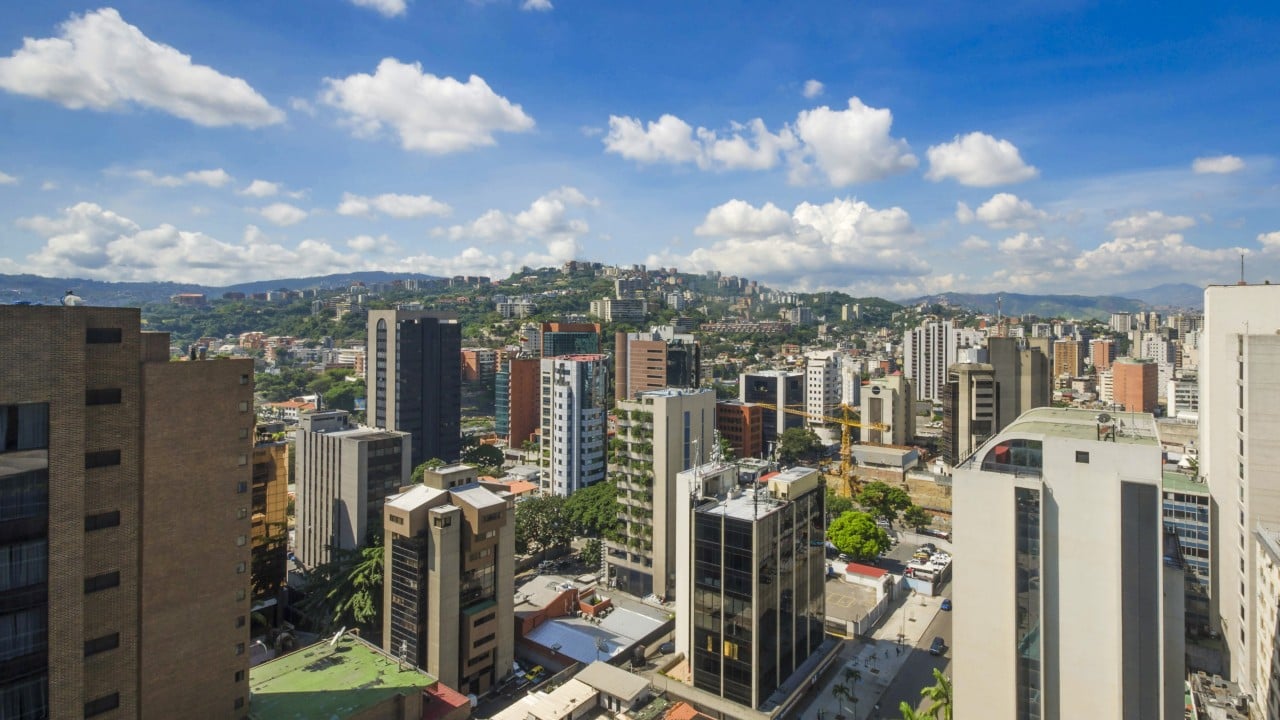
He found himself in a startup hub that looked nothing like the India he left fifteen years ago. There were espresso machines and high-speed fiber, yes, but there was also a frantic, hungry energy that he hadn't felt in Maryland for a long time. In the U.S., the conversations were often about what was being cut, what was being banned, and who was being investigated. In Bengaluru, the conversation was about what was being built tomorrow.
The "brain regain" isn't just about patriotism. It’s about survival and relevance. Scientists go where the work is respected and where the future feels like a promise rather than a threat.
The quiet tragedy of the American scientific retreat is that it assumes brilliance is a static resource that will wait around for the political winds to change. It won't. Brilliance is mobile. It is liquid. It flows to the path of least resistance and highest reward.
As Arjun looked out of his new office window at the sprawling, dusty, neon-lit horizon of the city, he realized he wasn't a guest anymore. The lab in Maryland was a memory of a time when the world had a single center. Now, the center was wherever he decided to set down his microscope.
The silence of a deserted lab in the West is the sound of a heartbeat beginning somewhere else.