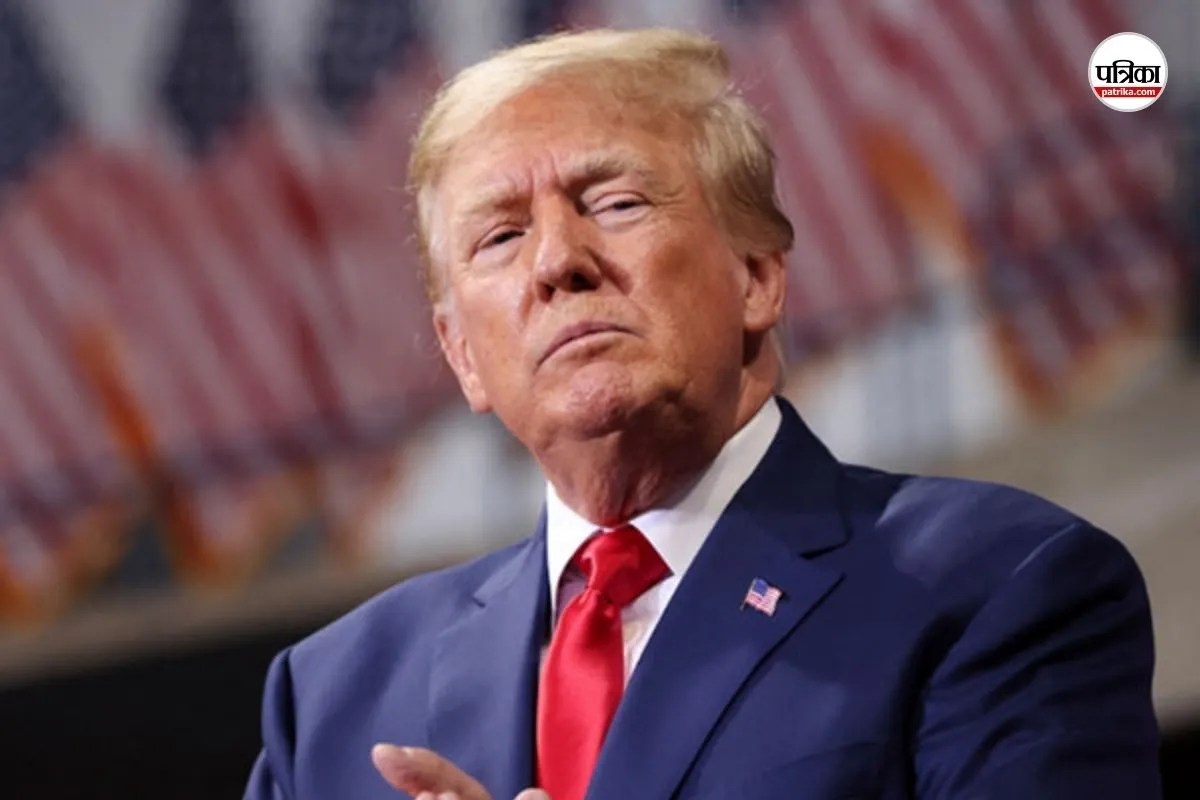
Air Force One is a flying fortress, but inside the soundproofed cabins, the silence can be heavier than the engines' roar. Donald Trump is preparing for a journey that spans more than just the Pacific Ocean. He is heading to Beijing. On the surface, the briefing binders are filled with trade deficits, tariffs, and manufacturing data. But as the jet streaks toward the East, a different shadow looms over the negotiation table—one cast from the desert heat of Iran.
Geopolitics is rarely about the thing being discussed. It is about the thing kept in the pocket, the hidden leverage that both sides know is there but refrain from mentioning until the air in the room turns thin.
The Architect in the High-Rise
Consider a hypothetical small business owner in Ohio named Greg. Greg manufactures specialized valves. To Greg, a presidential trip to China is a headline about steel prices. To the leaders in the Oval Office and the Great Hall of the People, Greg is a single data point in a much larger, more dangerous game. If the United States tightens the screws on Iranian oil, the ripples don't just stay in the Middle East. They flow through the pipelines that fuel China’s industrial heartbeat.
China is the world's largest importer of oil. Iran is a primary tap. When Trump sits across from Xi Jinping, they aren't just talking about sneakers and semiconductors. They are negotiating the global thermostat.
The Weight of the Room
The air in Beijing during these summits is choreographed. Every handshake is timed. Every nod is measured. But the tension this time is visceral. The American administration has signaled a hard line on Tehran, aiming to choke off the funding for what it describes as regional destabilization. China, however, views Iran not through the lens of ideology, but through the cold necessity of energy security.
Imagine the scene. The heavy curtains are drawn. The tea is hot, steam rising in thin curls. Trump, known for his preference for the "art of the deal," faces a counterpart who plays a game of centuries, not quarters.
The Iranian issue is the third chair at this table.
If Trump wants China to back away from Iranian oil, he has to offer something equally massive in return. This is where the trade war and the nuclear standoff collide. You cannot talk about one without bleeding into the other. The "Invisible Stakes" are the millions of barrels of crude that China needs to keep its cities glowing at night.
A Collision of Two Worlds
The logic is simple, yet the execution is a minefield. The U.S. wants a world where Iran is neutralized. China wants a world where its growth is uninterrupted.
Pressure.
It is the only language spoken in these corridors. The U.S. uses the dollar as a hammer; China uses its massive market as a shield. When the news reports say "meaningful conversations on the Iran issue are expected," what they really mean is that a high-stakes auction is taking place. The currency being traded isn't just money. It is influence.
The human cost of these "meaningful conversations" is often buried in the fine print. When sanctions tighten, the price of shipping goes up. When shipping goes up, the price of Greg’s valves in Ohio fluctuates. When Greg’s valves get too expensive, he has to look his floor manager in the eye and explain why there are no bonuses this year.
The globe is a web. Pull a string in Tehran, and a bell rings in a factory in Dongguan and a garage in Des Moines.
The Ghost at the Feast
The Iranian leadership knows they are the subject of this meeting. They are watching from the sidelines, aware that their economic survival may be decided in a room where they aren't even invited. It is a lonely position to be in.
Trump’s strategy has always been one of maximum pressure. He bets that the walls will eventually close in tight enough that the other side has no choice but to break. But China doesn't break easily. They absorb. They wait. They find the cracks in the masonry.
The real question isn't whether they will talk about Iran. They will. The question is who will blink first when the conversation turns to the price of defiance.
The Midnight Reflection
Late at night, in the guest quarters of the Diaoyutai State Guesthouse, the adrenaline of the day fades. The documents are scattered. The translators are exhausted.
There is a certain vulnerability in these moments that the public never sees. Leaders are, despite the pomp, just men trying to navigate a world that is becoming increasingly unmanageable. The complexity of the modern era means that no nation is an island. We are all tethered to one another by cables on the ocean floor and pipelines under the sand.
We often think of history as a series of dates and names. In reality, it is a series of whispers. It is the quiet admission between two powerful people that they need each other more than they hate each other. Or, more dangerously, the realization that they can no longer afford to coexist on the current terms.
The flight to Beijing is long. It gives a person a lot of time to think about the ghosts they are bringing with them. Iran is the most restless ghost of all. It won't be silenced by a photo op or a joint communique. It will be there, sitting in the corner, waiting to see if the two biggest powers on Earth can find a way to move the world without breaking it.
As the sun rises over the Forbidden City, the motorcade begins to move. The streets are cleared. The flags are flying. Somewhere in a small town, Greg is drinking his coffee and opening the morning paper, unaware that his future is being weighed against a barrel of oil in a room halfway across the planet.
The door closes. The meeting begins. The world waits for the sound of a gavel, but all it hears is the steady, rhythmic ticking of a clock that no one knows how to stop.