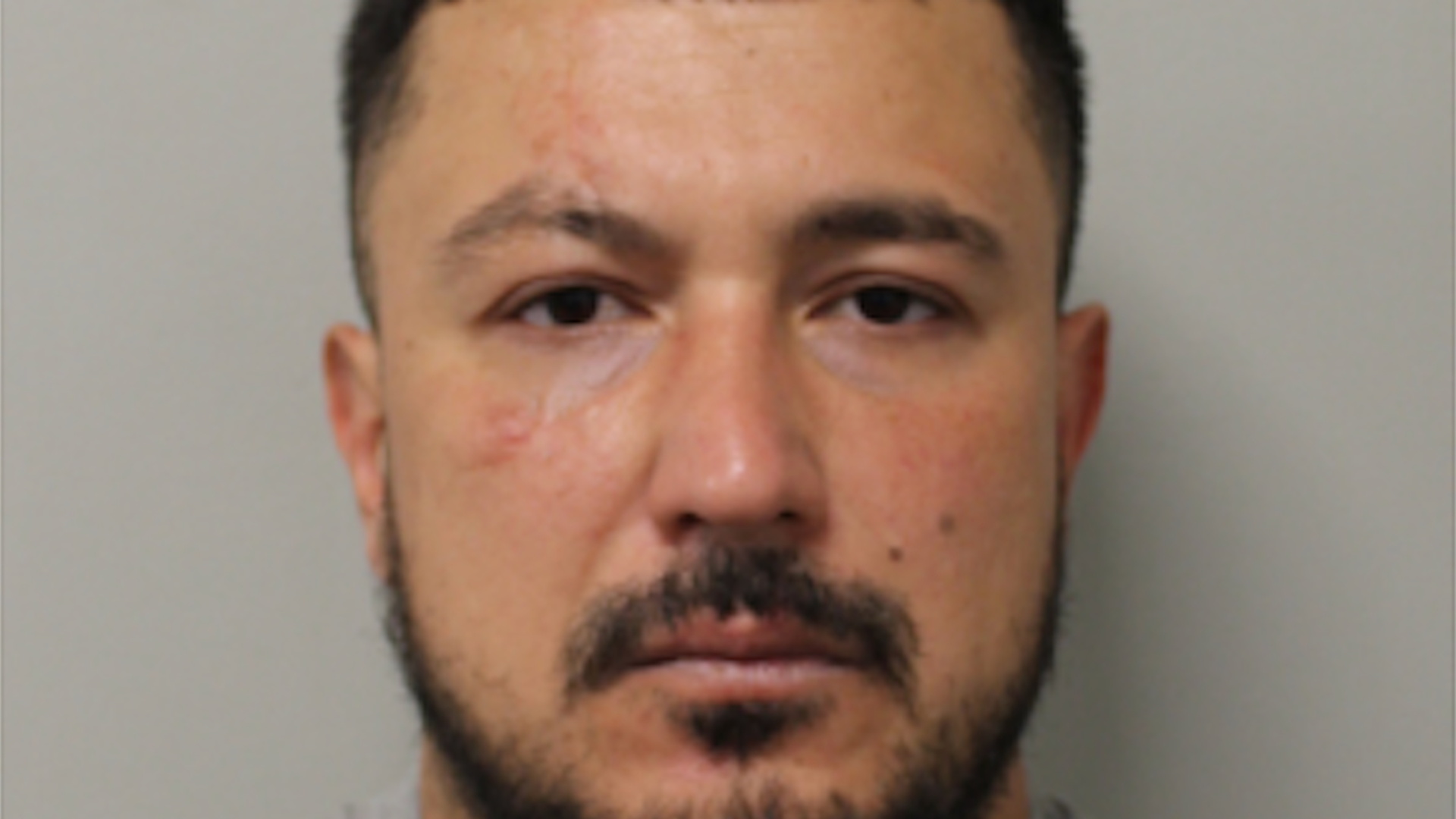
A single bullet fired from a moving vehicle on a warm June night does more than tear through human flesh. It shatters the fragile illusion of safety in one of London’s most celebrated culinary districts. When Beytullah Gunduz was convicted of conspiracy to commit murder at the Old Bailey, the verdict offered a momentary victory for Scotland Yard. Yet, it did nothing to erase the grim reality facing business owners in northeast London. For decades, a violent proxy war between rival organized crime networks has turned local restaurants into hunting grounds and ATM machines for extortionists. The conviction of Gunduz pulls back the curtain on a brutal system of protection rackets and tit-for-tat executions that British law enforcement is struggling to contain.
The public often views gang warfare through the lens of spontaneous, territorial street violence. This is a mistake. The shooting outside the Umut 2000 restaurant in Dalston was a cold, corporate-style operation.
The Price of Refusal
In the spring of previous months, the Guzel family, owners of a popular eatery praised by international food critics, found themselves trapped in a vice. The Hackney Turks, also known as the Bombacilar or "the bombers," had locked horns with their bitter rivals, the Tottenham Turks.
Between April and June, the family was subjected to a terrifying escalation. Following shootings at both a family residence and the restaurant itself, Gunduz and his associates moved in under the guise of offering protection. The premise was simple: pay an eye-watering fee of £100,000, or face the consequences. Gunduz accused the family of financial complicity with the Tottenham faction, using the accusation as leverage to demand the cash.
The family stood their ground and refused to pay.
On June 20, a white Kia Niro slowed to a crawl outside the Dalston establishment. A single close-range shot from the passenger window tore into the torso of a 37-year-old man as he spoke to his wife on the phone during a work break. The gunman, identified as Dogan Over, fled the United Kingdom for Istanbul almost immediately. The getaway vehicle was found ablaze minutes later in a nearby alley.
The victim survived, but his life was permanently altered. He now navigates the world with a stoma bag and chronic, life-changing injuries.
The Machinery of Modern Hitmen
Investigating these networks reveals a sophisticated operational structure designed to exploit international borders and digital blind spots. The Gunduz trial exposed how these syndicates function. The logistics rely heavily on disposable infrastructure.
- Burner Phones: Detectives traced two specific unregistered mobile devices utilized exclusively during a three-day window to coordinate the hit.
- Disposable Vehicles: Stolen cars on cloned plates are kept in reserve, used for minutes, and immediately torched to destroy forensic trace evidence.
- Transnational Safe Havens: Gunmen are routinely flown into the UK for specific operations and extracted back to Turkey before local police can even process the crime scene.
This structure creates an immense hurdle for the Metropolitan Police. While Gunduz was successfully tied to the conspiracy via meticulous analysis of cell-tower data and CCTV footage tracking the purchase of a petrol can, the man who actually pulled the trigger remains walking free in Istanbul.
The pattern mirrors an earlier, even more tragic incident in Dalston. In May of the previous year, a gunman riding a stolen Ducati Monster opened fire six times outside the nearby Evin Restaurant. That attack, also rooted in the Tottenham-Hackney gang feud, missed its targets and struck a nine-year-old girl eating ice cream with her family. A scout, Javon Riley, was eventually jailed for life with a minimum of 34 years for his logistical role, but the actual shooter in that case vanished into thin air as well.
Why the Streets Remain Terrified
Securing a conviction at the Old Bailey is an impressive feat of detective work, but it rarely changes the landscape on the ground. For every boss sent down, a line of younger, more volatile soldiers waits to take their place.
Local business owners operate under a code of silence enforced by extreme violence. When the state cannot guarantee 24-hour protection to a restaurateur, a market stalls, or a bakery, the victim faces a bleak calculation. Paying the tax keeps the lights on; talking to the police invites a bullet.
The Metropolitan Police have poured resources into specialist units to disrupt these networks, offering financial rewards and pleading for community intelligence. But as long as foreign jurisdictions offer a safe harbor for the triggers, the architects of London’s protection rackets will continue to view the capital’s high streets as open for business.
The conviction of Beytullah Gunduz proves that the police can trace the digital crumbs left behind by modern conspiracies. It does not, however, stop the next stolen vehicle from turning the corner.