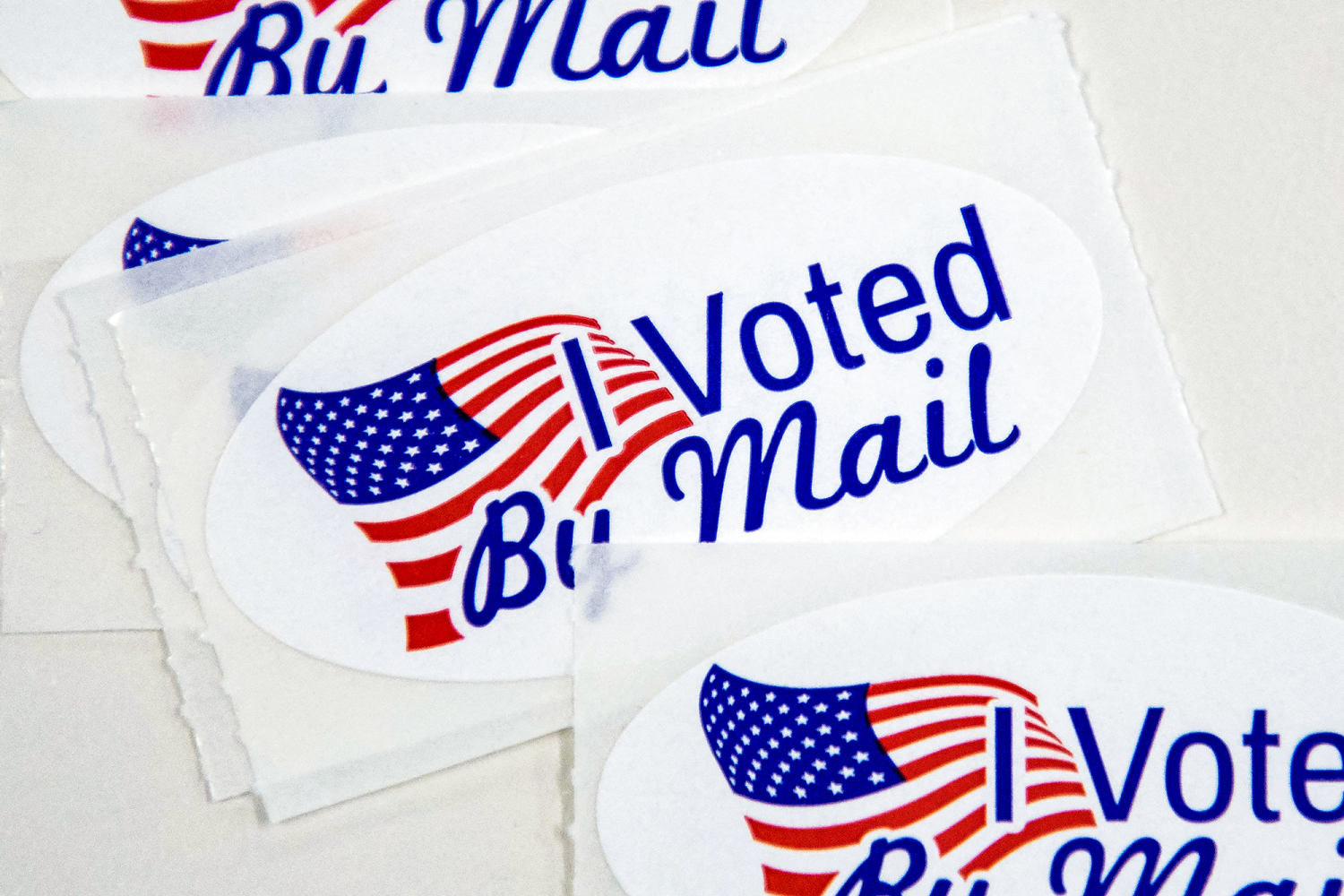
Elections are messy enough without federal agencies tossing live grenades into the logistics. A federal judge just slammed the brakes on a controversial push to alter how postal ballots are handled. If you've been following the chaotic legal ping-pong, you know the stakes couldn't be higher.
U.S. District Judge Indira Talwani issued a 14-day temporary restraining order stopping the U.S. Postal Service from enforcing sweeping new mail-in voting regulations. This latest twist comes right as states prepare to send out their first batches of absentee and postal votes for the upcoming midterm elections.
Why the New Postal Service Rule Sparked Chaos
The conflict stems from an executive order. The administration wanted to force states into strict compliance regarding ballot envelope standards, return address formatting, and mandatory portal registrations through the mail service.
State election officials panicked for a very practical reason. They don't have the time or the budget to redesign envelopes, update voting management systems, train local workers, and migrate citizen data on short notice.
- State and local boards face severe time crunches.
- Redesigning ballot envelopes requires federal sign-offs.
- Millions of voters rely on smooth postal delivery.
When the postal agency finalized its rule, voting rights groups and dozens of state attorneys general immediately refiled their lawsuits. They argued that the agency simply lacks the constitutional authority to dictate election administration rules.
The Legal Whiplash and the Supreme Court Factor
This courtroom drama has been moving at breakneck speed. Earlier in the week, the Supreme Court lifted a separate injunction, ruling that previous challenges were premature because the regulations were only proposed ideas rather than finalized rules.
That clearance gave the administration a brief window to publish its final mandate. But Judge Talwani seized on that exact transition. Once the ink dried on the final rule, the legal challenges became fully ripe for review.
Her 11-page order blocks requirements tied to voter-enrollment portals and ballot-mail rejection policies. She noted that the risk of widespread voter disenfranchisement heavily outweighs any administrative interest in fixing a problem that lacks concrete evidence of widespread fraud.
What This Means for Voters Right Now
If you plan to vote by mail, this ruling buys precious breathing room, but the fight is far from over. The temporary restraining order lasts for two weeks, setting up an intense legal showdown that will likely boomerang back to the Supreme Court.
For now, local election offices can proceed without scrambling to adopt unverified federal mail standards. Check your Voter Portal or reach out directly to your State Election Office to track your specific ballot guidelines and ensure your voice is counted this November.