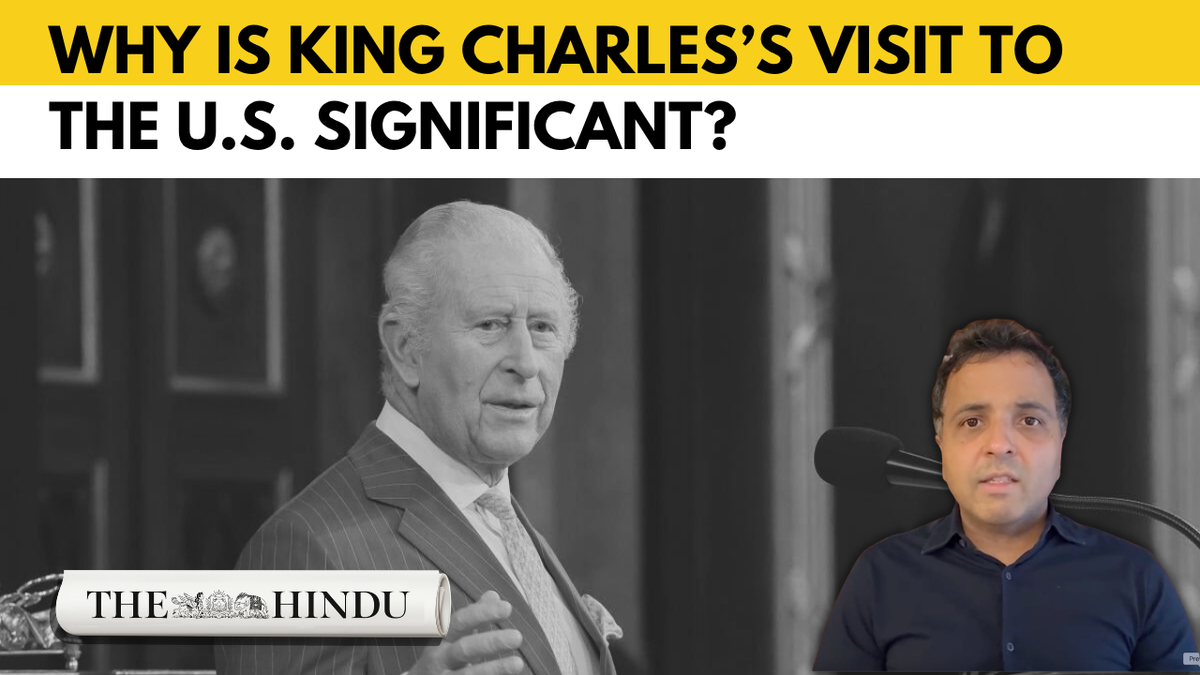
King Charles III isn't just visiting the United States for a photo op with Donald Trump. He’s stepping into a political minefield during a year that marks the 250th anniversary of the very moment America told the British monarchy to get lost. It’s a bit of a weird vibe. You’ve got a King celebrating the birth of a Republic that was founded on the idea that kings shouldn't exist. But don't let the velvet robes and the 21-gun salutes fool you. This trip is about survival—specifically the survival of the "Special Relationship" which has seen better days.
Right now, the bond between London and Washington is basically on life support. Since President Trump returned to the White House, the friction has been constant. We've seen public spats over military bases, disagreements on Middle East policy, and even threats of new trade tariffs. When Keir Starmer’s government pushed back on US military requests earlier this year, the response from the Oval Office was blunt. This isn't just a friendly check-in. It's a high-stakes diplomatic salvage mission disguised as a birthday party for American democracy.
The 250 Year Paradox
There’s a massive irony in a British monarch standing in Washington D.C. as the country gears up for its semiquincentennial. King George III, the current King’s great-great-great-great-great-grandfather, was the "tyrant" mentioned in the Declaration of Independence. Fast forward to 2026, and his descendant is delivering a speech to a joint session of Congress.
This is only the second time a British monarch has addressed Congress—the first was his mother, Queen Elizabeth II, back in 1991. The timing isn't accidental. By appearing in the heart of American democracy, Charles is trying to remind everyone that despite the 1776 breakup, the two nations are cut from the same cloth. He’s leaning hard into the shared history because, honestly, the current political reality is a mess.
Beyond the Tea and Beehives
If you look at the itinerary, it’s a mix of heavy symbolism and surprisingly domestic moments. On the first day, the Trumps and the Royals toured a new beehive on the South Lawn. It sounds trivial, but for a King who has obsessed over sustainability for fifty years, it’s a way to find common ground.
Then things got serious.
- The Military Review: For the first time in a state visit, all six branches of the US Armed Forces, including the Space Force, participated in a "Pass in Review."
- Bilateral Talks: While Queen Camilla and Melania Trump focused on technology and literacy, the King and President Trump disappeared into the Oval Office for a private meeting.
- The Economic Angle: Charles didn't just bring diplomats; he met with tech CEOs to pitch the UK as a $1.2 trillion ecosystem for investment.
The real meat of the visit happened away from the cameras. The UK is currently terrified that the US might pull back its support for British sovereignty over the Falkland Islands or the Chagos Islands. Charles isn't a politician—he can't sign treaties—but he has "soft power." He’s the ultimate celebrity diplomat. His job is to remind the American leadership that the UK is their most reliable, deep-rooted partner at a time when the world feels increasingly unstable.
Soft Power in a Hard World
Critics often ask why we still do this. Why send an elderly man in a suit to talk to a President when we have ambassadors and trade reps? The answer is that the Monarchy provides a level of "pomp and circumstance" that no other nation can match. Trump has never hidden his fascination with the British Royals. By leaning into that, the UK government is using Charles as their best possible leverage.
http://googleusercontent.com/image_content/195
In New York, the King’s visit to the September 11 Memorial and his meetings with first responders served a different purpose. It wasn't about politics; it was about the "people-to-people" connection. This is where the King actually excels. While Prime Ministers come and go, the Crown represents a continuity that Americans, despite their revolutionary roots, seem to find deeply compelling.
What Happens When the Plane Leaves
The trip ends on April 30, but the fallout will last much longer. If Charles managed to charm the President and the Congressional leaders, we might see a softening of the trade rhetoric. If he didn't, the UK might find itself increasingly isolated on the global stage.
The next few months are the real test. Watch for shifts in how the White House talks about the UK’s digital services tax or security guarantees. If the "special relationship" starts to sound a little less strained in press briefings, you can thank the King. If not, then all the tea and 21-gun salutes were just expensive theater.
If you’re following this, keep a close eye on the joint statements coming out of the State Department next week. That’s where the real impact of this royal blitz will be hidden. Pay attention to any mentions of "shared security interests" or "maritime sovereignty"—those are the code words that tell you if the mission actually worked.