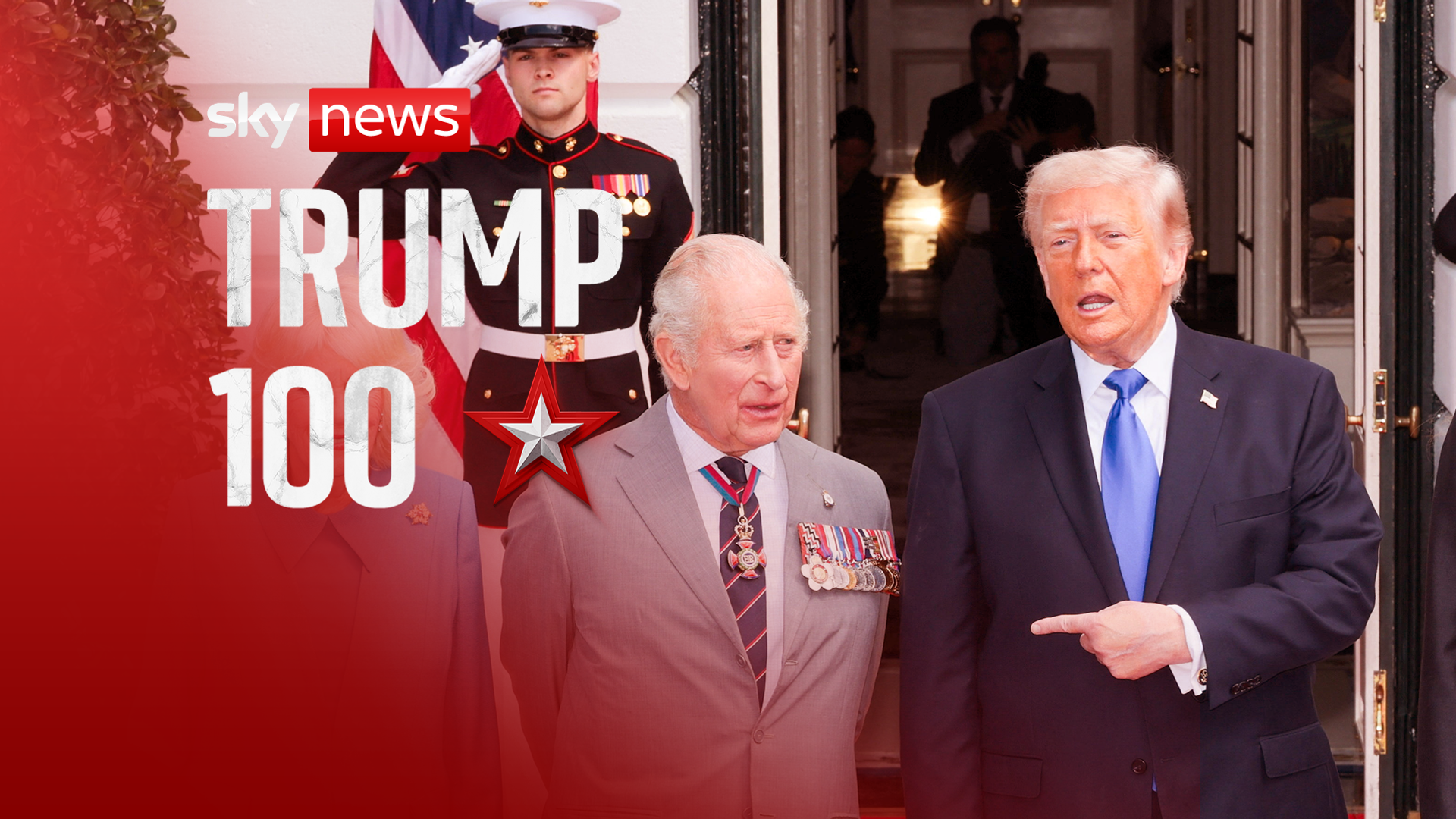
Donald Trump doesn't do "subtle." He prefers the directness of a wrecking ball, which makes the recent high-stakes visit of King Charles III to Washington a fascinating study in clashing styles. While the British press spent the last few days dissecting every word of the King’s speech to Congress for "hidden barbs" about executive power, the reality on the ground in D.C. is far messier. If you think a few gold-plated dinners and some witty Churchill anecdotes actually shifted the needle on Trump’s foreign policy, you’re kidding yourself.
The British government sent the King to Washington because they’re desperate. Relations between Prime Minister Keir Starmer and the Trump administration have hit a floor not seen since the Suez Crisis. Between the ongoing fallout of the Iran war and disagreements over NATO spending, the "Special Relationship" is currently held together by scotch tape and prayer. The King was the last-ditch effort to use soft power to smooth over hard-edged political friction.
The Protocol Trap
It took less than twenty-four hours for the first diplomatic fire to start. After a private Oval Office meeting, Trump did exactly what the Palace feared: he blabbed. He told a room full of people at a state dinner that the King agreed with him "even more than I do" that Iran should never have nuclear weapons.
This is a nightmare for the British monarchy. The King’s entire job description is "don't have a public opinion." When a U.S. President drags the sovereign into the political mud, the sovereign can’t exactly call a press conference to correct the record. It puts the King in a position where he looks like he's endorsing a specific, controversial administration policy, which is exactly what his advisors worked for months to avoid.
Trump’s mother, Mary MacLeod, was famously obsessed with the British royals. Trump himself seems to view the monarchy with a mix of genuine reverence and a desire to use them as the ultimate "A-list" endorsement. For him, the King isn't just a head of state; he’s a branding asset.
Soft Power in a Hard Power Era
The King’s speech to Congress was billed as the centerpiece of the trip. He spoke about the 250-year anniversary of American independence and emphasized "checks and balances." Democrats in the room cheered. Pundits called it a "gentle pushback" against Trump’s unilateral style.
But let’s be honest. Does anyone think a speech about 18th-century democratic norms is going to change Trump’s mind about tariffs or military strikes?
- Trade Tensions: Trump is still threatening tariffs if the U.K. doesn't scrap its digital services tax.
- NATO Pressure: The White House continues to hammer London on defense spending.
- The Iran Rift: Starmer’s refusal to allow British bases to be used for certain bombing operations remains a massive point of contention.
The King can provide the "atmospherics," as diplomats call them. He can make a Tuesday in Washington feel like a historic event. But he can't sign a trade deal. He can't change a vote in the House of Commons. He's a buffer, not a deal-maker.
The Misunderstanding of Influence
There’s a persistent myth in some corners of the Trump administration that the King has more power than he actually does. Some staffers reportedly believe the King can simply tell Starmer what to do. That’s not just a misunderstanding of the British constitution; it’s a total fantasy.
The U.K. is using the monarchy as a "diplomatic shock absorber." When the rhetoric between the two governments gets too hot, they send in the royals to remind everyone that we still like each other’s culture and history. It’s a way to keep communication lines open when the politicians are barely on speaking terms.
Honestly, it’s a bit of a gamble. If the King is seen as being too close to Trump, he loses half of Britain. If he’s seen as too critical, he risks a public spat with the most powerful man in the world.
Moving the Dial
So, did he move the dial? If you measure success by "not having a total disaster," then sure, the visit worked. The dinners were glamorous, the jokes landed, and nobody fell over.
But if you measure success by actual policy shifts, the dial hasn't budged. Trump is still Trump, and the structural divisions between the U.S. and the U.K. are deeper than they’ve been in decades. Soft power is great for the history books, but it’s a weak tool against a president who views every relationship as a transaction.
If you're watching this for signs of a new era of cooperation, don't hold your breath. The "Special Relationship" is now a "Transactional Relationship," and even a King can't change the price of the deal.
Watch the next round of NATO meetings. That’s where the real "dial" is. If the U.S. continues to freeze out British officials from high-level planning, you’ll know exactly how much those White House jokes were actually worth.