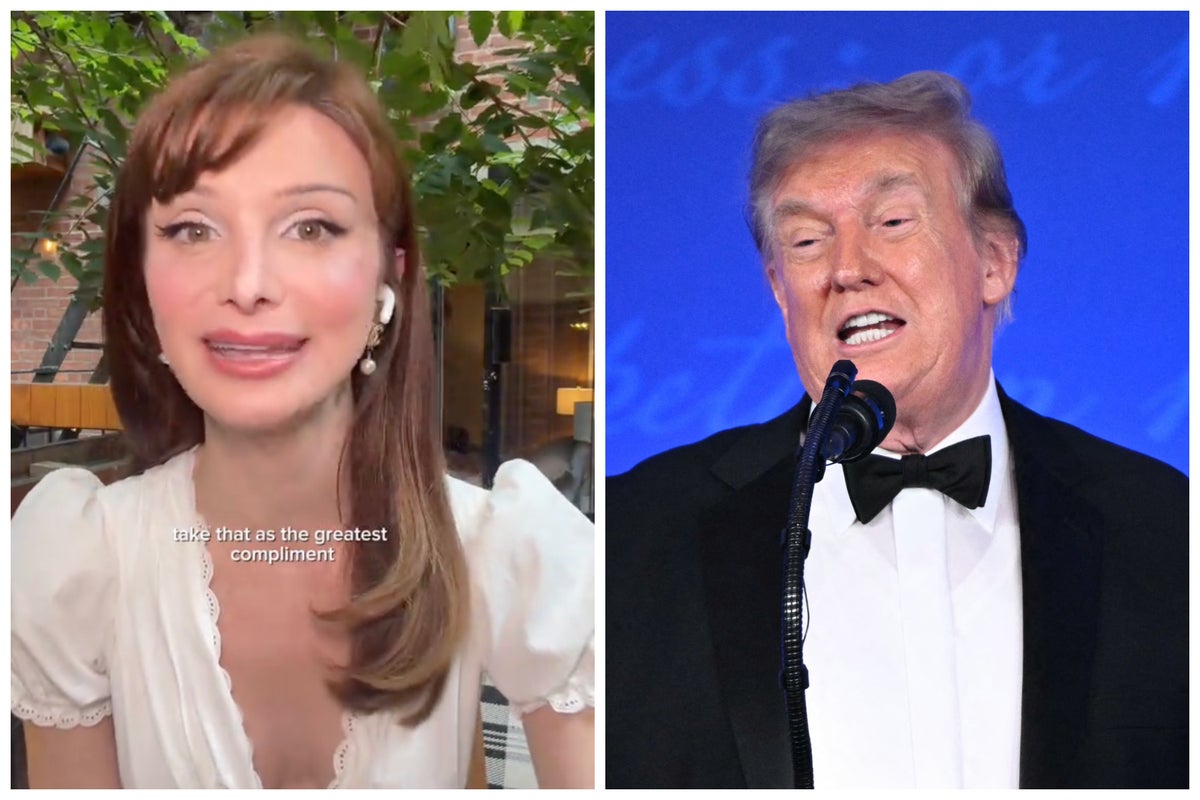
When Sam Heughan revealed in his memoir that actors on the set of Outlander were perhaps forced into nude scenes, the conversation surrounding television production shifted overnight. The statement cut through the usual gloss of promotional press tours. For years, audiences accepted the historical drama's heavy reliance on intimacy as an artistic necessity for capturing raw 18th-century Scottish grit. However, the revelation forces a much harder look at how production sets balance creative vision with actor welfare. Television sets are high-pressure environments. Power dynamics between producers, directors, and actors often skew heavily toward production demands. When a star of a long-running global franchise speaks up about comfort boundaries being pushed, the industry must listen.
The Evolution of Intimacy Coordination
Historically, film and television operated under an unspoken rule. Actors arrived, memorized lines, and executed whatever staging a director requested regardless of personal comfort. The introduction of the intimacy coordinator changed this dynamic fundamentally. These professionals act as neutral mediators, choreographing sensitive scenes to ensure safety, consent, and clear boundaries.
Outlander itself eventually adopted these modern protocols, but the early seasons operated in a different era of television production. Back then, standard contracts frequently lacked the nuanced clauses common today. Performers faced immense pressure to deliver explicit moments because refusing could mean being labeled difficult.
- Contracts heavily favored production schedules over personal boundaries.
- Clear communication channels regarding nudity were frequently missing on mid-2010s sets.
- Peer pressure among cast members created an atmosphere where speaking up felt risky.
The modern standard demands rigorous rehearsal and closed sets. Yet, the transition was not uniform across all networks or streaming platforms. Even today, the presence of a coordinator depends heavily on budget allocation and production clout.
Power Dynamics on Long Running Productions
Long-running television shows create unique workplace environments. When a cast signs on for a multi-year commitment, their livelihoods become tied to the success of a single project. This creates a severe power imbalance.
An actor starring in a hit series rarely feels secure enough to halt production over an uncomfortable wardrobe choice or an unscripted physical exposure. Production delays cost thousands of dollars per minute. Consequently, the unspoken expectation is always to cooperate.
The pressure to perform without complaint is magnified when the project is an international phenomenon with millions of viewers eagerly awaiting each episode.
When Heughan addressed these past practices, he highlighted an open secret of dramatic television. Prestige dramas often trade on shock value and physical vulnerability. Performers absorb the physical and emotional cost of that aesthetic.
Shifting Industry Accountability
The public reaction to the Outlander revelations points to a broader cultural shift. Audiences no longer want their favorite entertainment built on the quiet distress of the performers. Viewer awareness has grown sophisticated. People can distinguish between a performance delivered through genuine artistic freedom and one extracted through systemic coercion.
Networks now recognize that safeguarding talent is a matter of legal protection and public relations. Scandals surrounding workplace misconduct damage brand loyalty permanently.
- Production companies face stricter compliance audits from major guilds and unions.
- Streaming platforms actively market their use of intimacy protocols to attract top-tier talent.
- Insurance underwriters increasingly favor sets with documented safety protocols for sensitive material.
Despite these advances, gaps remain. Independent productions or overseas shoots sometimes bypass standard oversight. Actors working on lower-tier projects still report feeling pressured to accept unnecessary exposure to secure steady work.
The Cost of Artistic Realism
Creators often defend nudity by pointing to historical accuracy. Life in the 18th century was harsh, unvarnished, and frequently lacking in modern privacy. Directors argue that sanitizing a historical drama ruins its authenticity.
This argument holds some weight, but it frequently serves as a shield for poor management. Authenticity does not require compromising an actor's psychological safety. True professionalism involves finding creative workarounds that honor the narrative without exploiting the human being in front of the camera.
The industry is slowly learning this distinction. Writers construct scenes that convey intimacy through tension, lighting, and performance rather than graphic exposure. Directors discover that actors deliver superior emotional work when they feel entirely secure and respected.
Ultimately, the conversation sparked by veteran cast members serves as a necessary corrective for a medium long overdue for modernization. The days of quietly enduring unsafe or uncomfortable direction are drawing to a close, replaced by a framework where consent is non-negotiable and the human cost of art is finally accounted for.