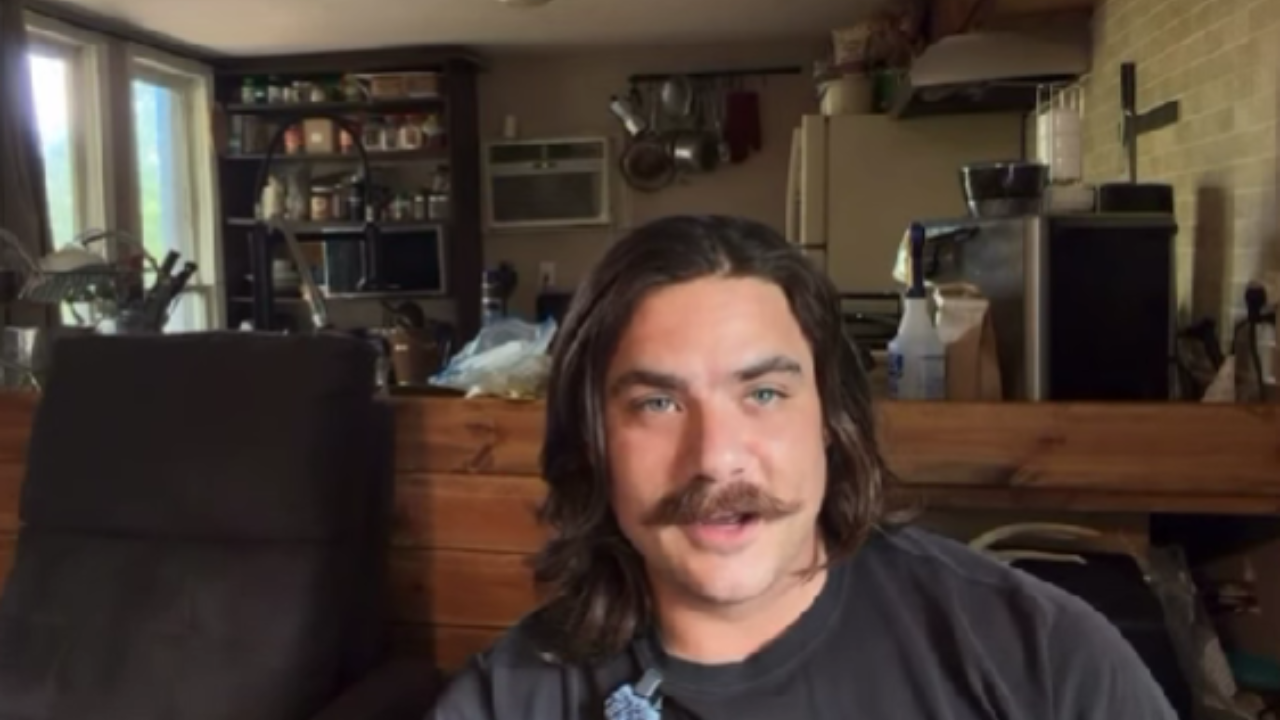
Streaming platforms love to talk about community guidelines. They print pages of rules, update their terms of service, and promise a safe environment for everyone. But for a long time, it felt like those rules were suggestions. That changed when ChudtheBuilder’s 3-day ban turned into an indefinite suspension.
This isn’t just another streamer getting in trouble. It’s a loud signal that Kick is tired of the backlash regarding harassment. If you’ve spent any time watching the site grow, you know it's been a Wild West. Creators pushed boundaries because they knew they could. Now, that era is hitting a wall. In related developments, read about: The Code We Leave Behind When the Screens Go Dark.
The Reality of Streaming Accountability
When a platform decides to move from a short suspension to an indefinite ban, something massive happened behind the scenes. Usually, a 3-day ban is a slap on the wrist. It’s a timeout for someone to cool off. Turning that into an indefinite ban means the higher-ups at Kick looked at the situation, looked at the public outcry, and decided the creator was a liability they couldn't ignore anymore.
Harassment isn't just "toxic behavior" or "trash talk." It’s a calculated effort to make someone else’s experience miserable. When streamers cross the line from competitive banter into targeted abuse, they lose the privilege of broadcasting. It’s that simple. I’ve seen this play out on every major platform from Justin.tv to Twitch. Platforms eventually get sick of defending creators who generate more PR nightmares than actual value. Bloomberg has analyzed this important subject in extensive detail.
Why Kick Had to Act Now
Kick has a specific reputation. They marketed themselves as the platform that lets creators be free. That attracted a lot of people, both good and bad. The problem with being the "free speech" alternative is that you become a magnet for behavior that other platforms ban instantly.
The backlash regarding the harassment incidents associated with ChudtheBuilder became too loud to ignore. Advertisers, partners, and even core users eventually reach a breaking point. When the conversation shifts from "this person is funny" to "this platform enables abuse," the brand equity starts to tank.
Honestly, it’s about money. Streaming platforms are businesses. If a specific creator starts driving away the audience or makes it impossible to secure mainstream sponsorship deals, they get cut. The shift from a short ban to an indefinite one tells me that the legal and PR teams at Kick finally did the math and decided the cost of keeping them was higher than the cost of losing them.
The Pattern of Creator Bans
You don’t have to look hard to see how this usually goes. A creator pushes a line. People complain. The platform gives a light warning. The creator gets emboldened. Then, the behavior escalates, and a bigger controversy hits.
Think back to the early days of livestreaming. Creators often thought they were bigger than the platform. They thought their viewership was an impenetrable shield. But look at what happens when the hammer finally drops. The viewership doesn't follow them to the next site. The community moves on because the audience wants content, not a constant stream of drama.
If you’re a creator, take a lesson from this: you’re a guest. You don’t own the servers. You don’t set the policy. When you treat the platform like a personal sandbox to attack others, you’re just waiting for your turn to get kicked off.
Avoiding the Trap
If you want to build a career in streaming, don't follow the path of least resistance. It’s tempting to lean into toxic behavior because it gets clicks fast. Rage-baiting works in the short term. It drives engagement, boosts comments, and makes the metrics look good for a week.
But it’s a dead end.
I’ve watched talented people burn their careers because they couldn't separate their personal frustrations from their public brand. You need to focus on what you’re actually building. Is it a community based on shared interests or a group of people united by who they hate today? One of those builds a career. The other burns your bridge to the ground.
If you’re serious about streaming, audit your content. Ask yourself if what you’re saying would pass muster on a platform with actual oversight. If the answer is no, you’re gambling with your source of income. It’s not worth the risk.
Stop focusing on being an edge-lord. Start focusing on consistency and quality. The creators who last aren't the ones making headlines for the wrong reasons. They’re the ones who show up, provide value, and treat their peers with enough respect to keep their accounts active. Don't end up as an indefinite ban statistic. Keep your head down, focus on the work, and let your content speak for itself. It’s the only way to ensure you’re still here when the next wave of platform crackdowns hits.


