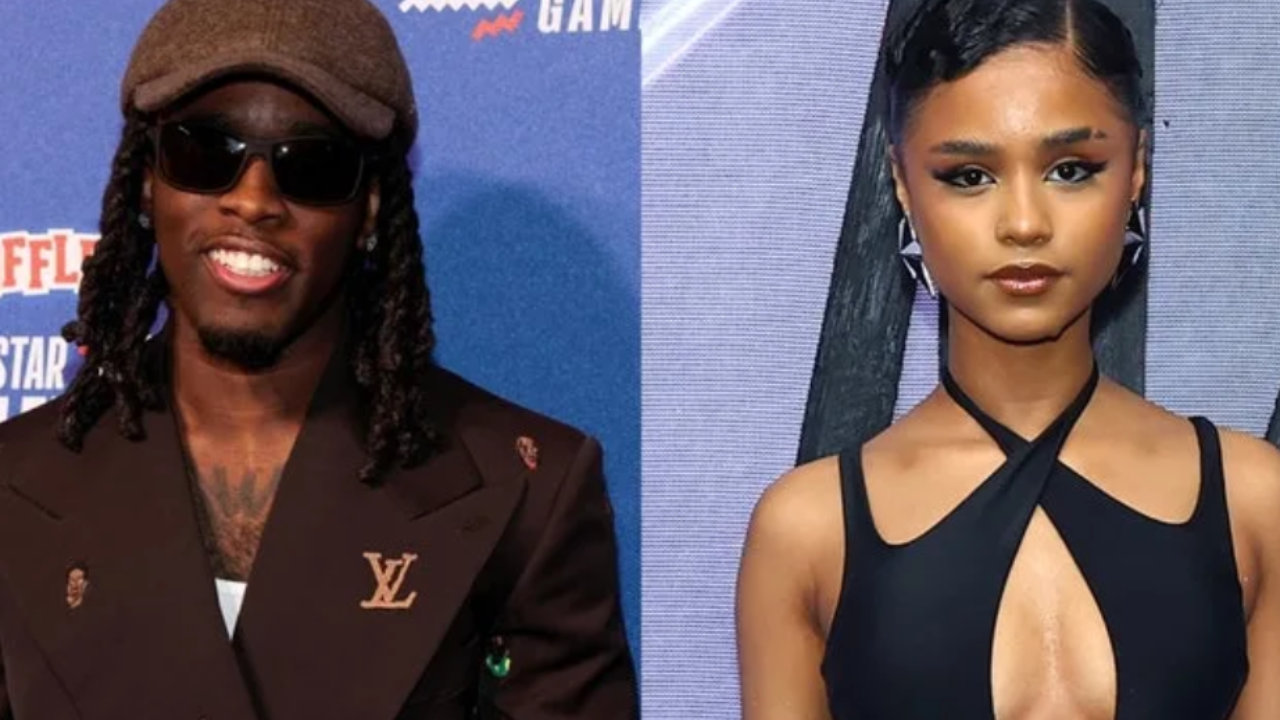
The internet treats public rejection like digital blood in the water. When Kai Cenat faced a cool response from Tyla on camera, the commentary machine spun into motion with predictable outrage. Watchers cried cringe. Fanbases drew battle lines. The lazy consensus claimed a high-profile creator got publicly humiliated, driving millions of clicks based on standard parasocial embarrassment.
Everyone missed the actual mechanism at play.
This was not an awkward misfire between two famous faces. It was a masterclass in modern digital real estate acquisition.
Look past the chat spam and the clip channels. Modern attention markets do not reward comfort; they reward friction. Friction generates shares. Shares generate distribution. Tyla and Kai operate at the absolute apex of algorithmic harvesting, and the entire interaction operated as an engineered exchange of audience equity.
The Myth of the Public Flop
For years, media analysts have pushed a stale narrative. Celebrities need to protect their brand by maintaining sanitized, frictionless interactions. Every smile must look authentic. Every conversation must flow like a polished late-night television segment.
That playbook expired years ago.
We live in a participation-driven economy. When a creator like Kai Cenat interacts with a global pop artist like Tyla, the goal is never a smooth, predictable chat. Smooth is forgettable. Smooth dies in the algorithm within four minutes. Awkward, tense, or unexpected moments stick to the digital brain like Velcro.
Call it what it actually is: asymmetric attention arbitrage.
Kai did not get friend-zoned. He got a clip package that guarantees millions of impressions across TikTok, YouTube Shorts, and X. Tyla did not brush him off because of personal disdain; she protected her cool factor while simultaneously tapping into the most aggressive streaming ecosystem on the planet. Both sides walked away with inflated metrics.
Yet the public keeps falling for the soap opera framing.
Dismantling the Parasocial Trap
Audiences love to project their own high school insecurities onto wealthy influencers. When a streamer gets rejected—or appears to get rejected—viewers map their own past rejections onto the screen. It feels visceral. It feels real.
It is completely manufactured theater.
Let us look at the mechanics of cross-fandom collisions. Kai Cenat's audience skews heavily toward male, gaming-first, Twitch-native digital natives. Tyla's audience spans global pop culture, fashion, and mainstream music consumers. These two demographics rarely overlap in a meaningful way organically.
How do you bridge that gap? You create a moment of high tension.
When a barrier appears—like a perceived slight or an unreturned flirtation—the respective fandoms go to war in the comment sections. They analyze micro-expressions. They post 10-part video essays breaking down body language. Every single analytical comment feeds the algorithm. The algorithm rewards the engagement. The platforms push the content to fresh users who have never heard of either personality.
The friendship or the lack thereof is irrelevant. The metric is velocity.
Why the Next Stream Changes the Rules
Announcing a follow-up livestream completely shatters the narrative of permanent awkwardness. If a real social rejection occurs, people walk away. They block each other. They avoid shared spaces.
When they double down and schedule a second stream together, the mask slips entirely.
This proves the first interaction served its purpose as a pilot test. It generated enough baseline market interest to justify a second round of monetization and distribution. The second stream will not fix the "friend-zone." It will lean into the joke. It will weaponize the memes generated by the first encounter.
The playbook has shifted. Creators no longer fear looking foolish; they fear being ignored. Looking foolish is free PR. Being boring is a death sentence.
The Attention Economy Does Not Care About Your Feelings
Stop analyzing celebrity interactions through the lens of middle school etiquette. These individuals run multi-million-dollar media entities disguised as hanging out in a room. Every action undergoes cost-benefit analysis by a team of managers, publicists, and platform strategists.
When a collaboration generates this much sustained discourse without a single ad dollar spent, the participants won.
The next time a viral clip of an awkward celebrity interaction crosses your feed, ask a better question. Instead of asking who got embarrassed, ask who stands to gain the most distribution from the subsequent outrage.
The answer will never be the person crying about cringe.
It will be the ones laughing all the way to the analytics dashboard.