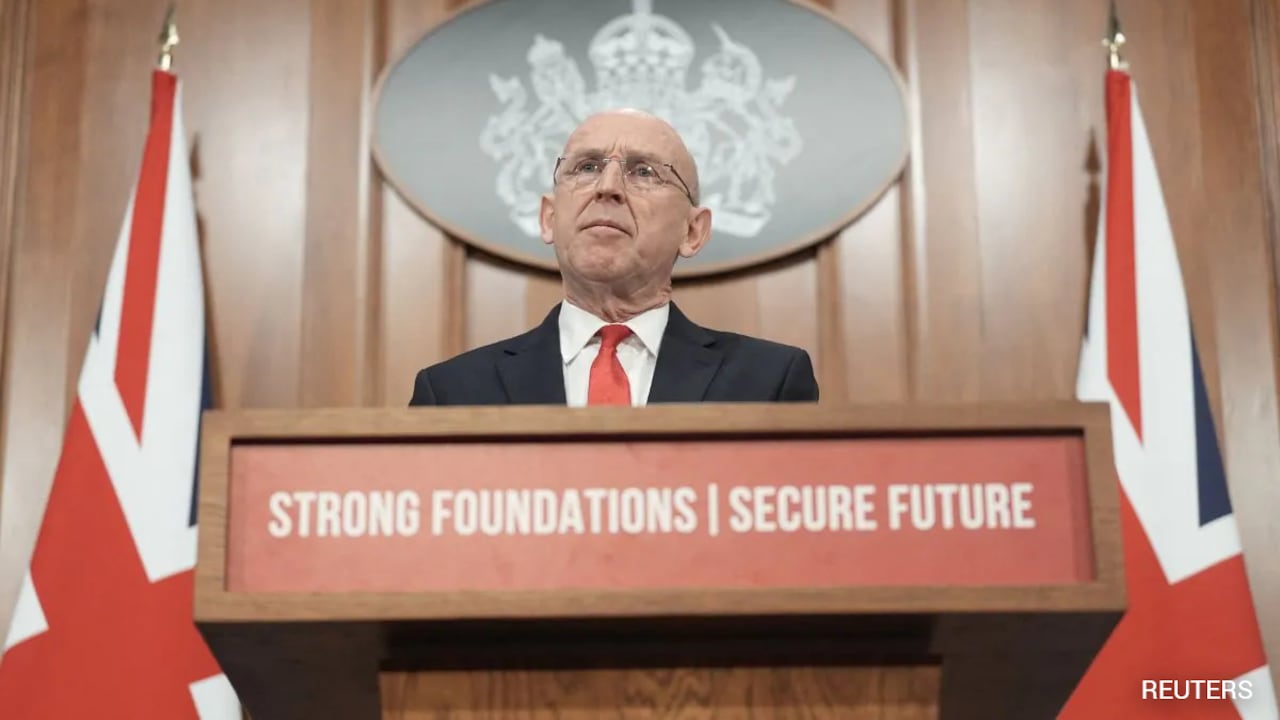
The British government is facing a massive security crisis right now, and it has nothing to do with foreign adversaries. It's happening inside Downing Street. Defence Secretary John Healey just walked out the door, leaving Prime Minister Keir Starmer holding a dangerously underfunded military plan that satisfies absolutely no one.
When the guy tasked with keeping the nation safe says the current strategy makes the country vulnerable, you don't look away. Healey didn't just step down quietly. He dropped a scorching resignation letter that exposes exactly how weak the UK military framework really is under the current leadership.
The core issue comes down to cash. Britain's military leaders have been screaming for a serious cash injection to handle growing global threats, from Russian aggression near NATO borders to escalating conflicts in the Middle East. Instead, Starmer and Chancellor Rachel Reeves delivered a financial trickle that Healey called completely unfit for purpose.
The Shocking Numbers Starmer Tried to Hide
If you want to understand why Healey quit, you have to look at the math. The Treasury offered what it called a major boost to military funding. In reality, it was a rounding error.
Healey's letter revealed that Starmer planned to raise defence spending by a miserable 0.08% of GDP between next year and 2030. That means moving the dial from 2.6% to just 2.68%. For context, defence experts and Healey himself argued that the UK needs to hit at least 3% by 2030 just to keep pace with the current threat environment.
Worse yet, the money offered is heavily backloaded. The UK needs immediate investments over the next two years to fix recruitment crises, repair ships, and replenish ammunition sent to Ukraine. Starmer's plan kicks the financial can down the road, leaving front-line troops exposed today. Healey explicitly stated that he refused to sign off on a Defence Investment Plan (DIP) that forces him to make choices reducing the readiness of British forces.
A Secret Treasury War Exposed
The Ministry of Defence wanted an extra £18 billion to make the UK military truly ready for a high-intensity conflict. Rachel Reeves dug her heels in, refusing to go a penny over £12 billion for weeks. While Starmer eventually pressured her into a £15 billion compromise, it simply wasn't enough to patch the holes.
The infighting over this budget has torn the cabinet apart. To pay for even this minor increase, other government departments had to slash their capital budgets by 1%. Starmer is essentially robbing Peter to pay Paul, and the result is a defence policy that pleases neither the hawks nor the domestic policy ministers.
General Richard Barrons, who helped lead the initial review that was supposed to guide this investment plan, didn't hold back either. He noted that the government is actively going backwards by refusing to fund its own strategic vision. When top generals and your own Defence Secretary agree that you're failing, the political spin falls apart.
The Double Standard on International Threats
The timing of this exit makes Starmer look incredibly hypocritical. Just last week, the Prime Minister stood up and warned the public that UK intelligence indicates Russia could be ready to launch an attack on a NATO country as early as 2030.
If you truly believe that a major global power could strike an ally within four years, you don't increase your defence budget by less than one-tenth of a percent. You mobilize. You invest in structural defense, modernize the Royal Navy, and secure air defense systems.
Instead, the UK is taking on massive new obligations without the funds to back them up. British forces are currently leading the multinational Strait of Hormuz military mission and face heavy commitments in the Arctic and Ukraine. The Royal Navy doesn't even have the immediate capacity to deploy an advanced warship to the Middle East because of maintenance backlogs and parts shortages.
Starmer's Fragile Hold on Power
This isn't an isolated political incident. Healey is the second major cabinet minister to abandon ship recently, following Health Minister Wes Streeting's exit in May. Starmer's authority is crumbling from within his own party after brutal local election results across England, Scotland, and Wales.
With heavyweight figures like Andy Burnham circling for a leadership challenge, this high-profile resignation might be the final push that breaks Starmer's premiership. Defence was supposed to be the one area where Labour held a steady hand. Now, that illusion is shattered.
Security Minister Dan Jarvis and Armed Forces Minister Al Carns are the top picks to replace Healey. But good luck to whoever takes the job. Carns has already publicly stated that the current investment plan is not fit for purpose and needs to be completely reopened. If Starmer appoints someone who agrees with Healey, the budget war restarts. If he appoints a yes-man, the military leadership will revolt.
If you are tracking British political stability or foreign policy, keep a close eye on the upcoming parliamentary debates over the Defence Investment Plan. Watch whether the next Defence Secretary forces Starmer to reopen the budget or falls in line with the Treasury's restrictive caps. The current trajectory leaves the UK's military readiness severely compromised at the worst possible historical moment.