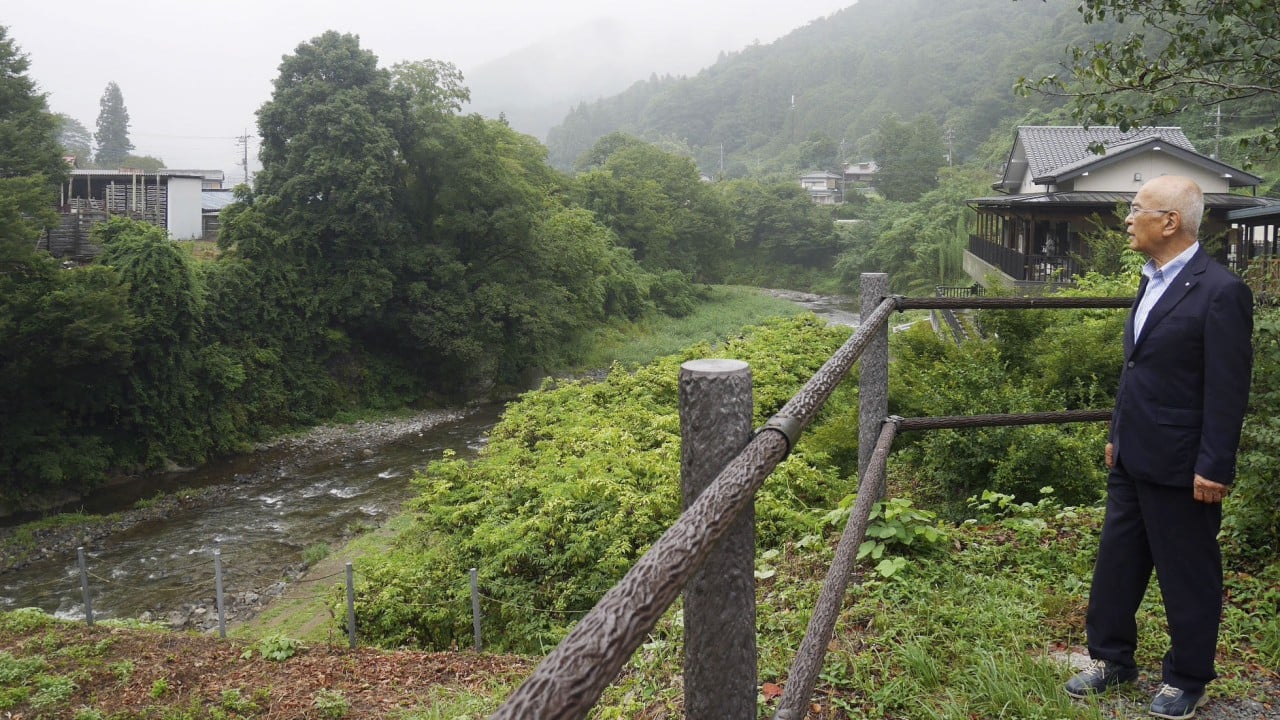
Empty classrooms. Locked storefronts. Entire neighborhoods where the quiet feels less like peace and more like an ending. Japan's demographic reality is brutal, and rural municipalities are bearing the absolute brunt of it. When you look at the numbers, the national population decline isn't a distant policy crisis anymore. It is an immediate, daily emergency for local economies trying to keep lights on and fields harvested.
To survive, some of the grayest corners of the country are casting nets halfway across the globe. They are leaning heavily into historical ties with South America, specifically looking toward Peru to plug severe worker shortages that local generations can no longer fill. But this isn't just a simple recruitment drive. It is a complex cultural exchange rooted in decades of migration history, and it highlights just how desperate rural Japan has become. Also making headlines in this space: Aviation Safety Is Broken And You Are Buying The Wrong Narrative.
The Anatomy of a Rural Labor Crisis
Walk through any depopulated village in Japan today and you will notice the same pattern. The elderly population dominates local councils, community centers, and quiet residential streets. Young people left years ago for Tokyo, Osaka, or Nagoya, chasing corporate desks and urban density.
Local agriculture, forestry, and small-scale manufacturing cannot compete with the big cities. They are left with aging hands and zero successors. Further information into this topic are explored by The Points Guy.
- Farms sit fallow because nobody is left to operate the heavy machinery.
- Small factories scale back production or shut down entirely.
- Municipal governments struggle to maintain basic public infrastructure.
Automation and robotics get tossed around in media reports as a magic bullet, but a robot cannot prune an orchard, care for an elderly resident, or manage a local cooperative. Flesh-and-blood workers are mandatory. Because domestic pools are completely dry, rural leaders are forced to look outward.
Why Peru Makes Sense
Looking toward Peru isn't random chance. Japan shares a deep, century-old migration history with the South American nation. Waves of Japanese citizens moved to Peru starting in the late 19th century, establishing a vibrant Nikkei community. Decades later, that migration loop reversed.
Thousands of Peruvian-Nikkei descendants traveled back to Japan, taking up manufacturing and blue-collar roles during economic booms. Because many already held ancestral ties or recognized bloodlines, policy hurdles for visas were historically easier to navigate than standard, rigid immigration pathways.
Municipalities with established Peruvian communities now serve as magnets for new arrivals. Towns that once watched their populations bleed out are seeing small injections of energy through families moving from Lima and other Peruvian regions. These workers are filling critical gaps in food processing, construction, and seasonal agriculture.
The Real Friction Points Nobody Mentions
Bringing international labor into insular Japanese countryside towns sounds straightforward on paper, but reality is messy. Integration is rarely seamless. Cultural clashes, language barriers, and local resistance to outsiders create friction that municipal offices often struggle to manage.
Schools in these rural pockets face sudden demands for bilingual education support. Long-term residents, accustomed to homogeneous neighborhoods, can be slow to accept foreign neighbors into community associations and local traditions.
At the same time, Peruvian workers frequently face culture shock, severe winters that contrast sharply with Andean or coastal Peruvian climates, and grueling wage-to-cost-of-living ratios. Japan's stagnant wages don't stretch as far as they used to, making it harder for migrant workers to save money and send remittances home. Some workers end up moving onward to larger urban centers or back to South America after a couple of seasons, leaving rural towns right back where they started.
What Needs to Happen Next
Relying on sister-city goodwill and historic ties is a clever starting point, but it is a band-aid on a broken bone. If rural Japanese villages want to retain foreign workers long-term, they have to offer more than just a paycheck and a sparse apartment.
Towns must invest heavily in local infrastructure that supports families, including proper language integration programs, affordable healthcare navigation, and genuine social inclusion. Municipalities that treat foreign workers as permanent community members rather than disposable temporary hands are the ones actually surviving this demographic crunch.
The shrinking village model cannot be sustained by nostalgia. It requires open doors, cultural adaptation, and a willingness to reinvent what a traditional Japanese hometown looks like.



:max_bytes(150000):strip_icc()/how-travel-will-enhance-your-life-1458533_CS-FINAL-5c38b6a746e0fb0001b53129.png)