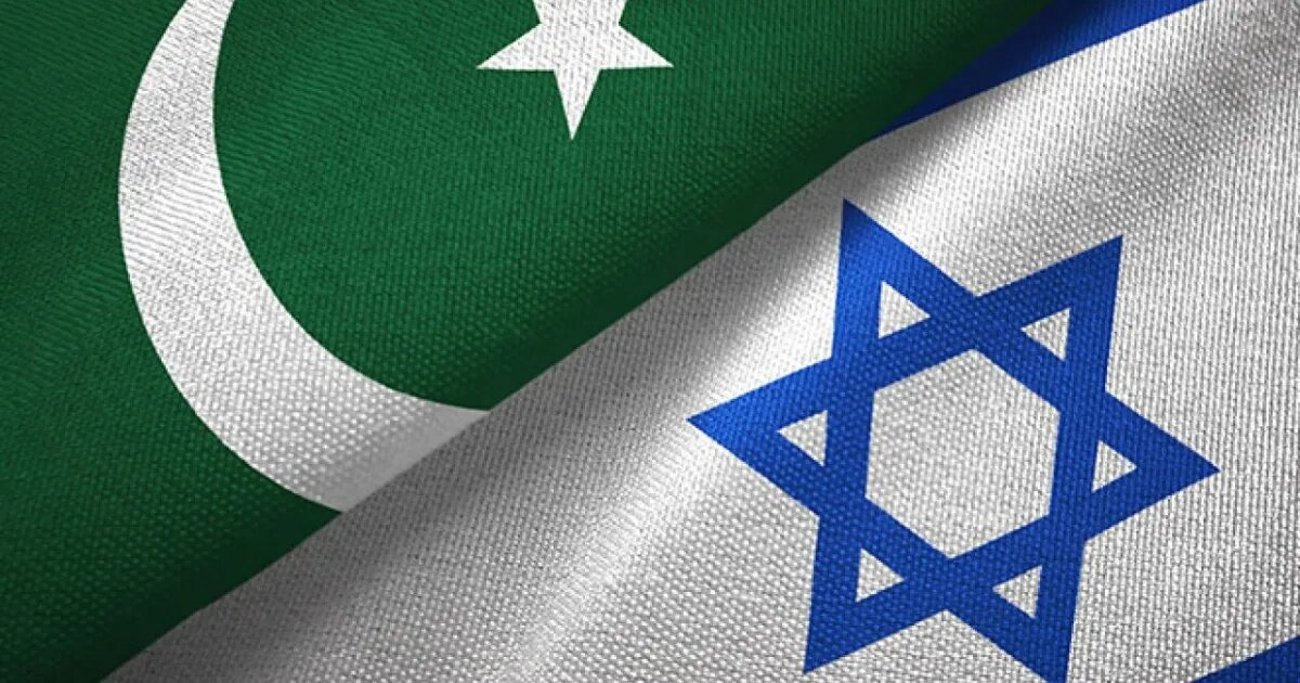
The ink isn't even dry on the ceasefire papers and the cracks are already showing. While the world watches Washington and Tehran attempt to step back from the brink of a massive regional war, Israel just dropped a heavy dose of reality on the whole situation. Reuven Azar, Israel’s Ambassador to India, didn't hold back when asked about Pakistan’s role in these high-stakes negotiations. He basically said what many in Tel Aviv are thinking: Pakistan isn't a "credible player."
It’s a bold claim, especially when you consider that Islamabad is literally hosting the peace talks starting this Friday. But if you've followed the history here, it’s not exactly a surprise. Israel sees a massive contradiction in a country that "sponsors terrorism" trying to play the role of the neutral peacemaker. If you liked this piece, you might want to read: this related article.
The Islamabad Accord and the credibility gap
Pakistan is touting the "Islamabad Accord" as a masterclass in diplomacy. Prime Minister Shehbaz Sharif has been vocal about how this 45-day framework will supposedly stop the bleeding across the Middle East. It’s got all the hallmarks of a major deal: a two-phase ceasefire, the reopening of the Strait of Hormuz, and conditional sanctions relief.
But there’s a massive "but" here. For another perspective on this development, see the recent update from The New York Times.
While the Trump administration seems willing to use Islamabad’s "services" to get Iran to the table, Israel is watching with extreme skepticism. The core of the issue is trust. From the Israeli perspective, you can’t trust a mediator that doesn't recognize your right to exist. Pakistan doesn't have diplomatic ties with Israel, yet it’s trying to broker a deal that directly affects Israeli security.
- The Lebanon Disconnect: Sharif claimed the ceasefire covers "everywhere," including Lebanon.
- The Reality Check: Netanyahu immediately shut that down. Israel isn't stopping its operations against Hezbollah infrastructure in Southern Lebanon just because Islamabad says so.
- The Sponsor Label: Azar explicitly called out Pakistan for its history with militant groups.
This isn't just about hurt feelings or diplomatic snubs. It’s about the actual mechanics of the ceasefire. If the mediator and one of the key combatants (even if by proxy) can't agree on what the deal actually covers, the whole thing is built on sand.
Why Washington is ignoring the red flags
You might wonder why the US is leaning on Pakistan if Israel is so dead set against it. Honestly, it comes down to geography and access. Pakistan has the lines of communication to Tehran that the West simply doesn't have right now. In the logic of the Trump administration, a flawed mediator is better than no mediator when the global economy is choking on record-high oil prices.
The Strait of Hormuz is the real prize here. With the 2026 Iran war pushing oil futures to terrifying levels, the US needs that waterway open. If Pakistan can deliver an Iranian signature on a piece of paper that keeps the tankers moving, Washington will tolerate the "not credible" label for a few weeks.
But Israel’s warning is clear: don't confuse a facilitator with a guarantor. Pakistan can set the table and provide the room in Islamabad, but they can't force Iran to follow through, nor can they stop Israel from defending its northern border.
The 10 point plan and the hidden dangers
Tehran is heading to Islamabad with a 10-point plan that’s basically a wish list. They want sanctions relief and a total halt to attacks. But look at what’s missing. There’s a lot of talk about "arrangements" and "assurances," but very little on how to verify that Iran isn't just using the 45-day window to rearm its proxies.
This is exactly why the Israeli envoy’s statement matters so much. If the mediator is biased or lacks the "credibility" to hold both sides accountable, the "peace" is just a tactical pause.
What's actually at stake in Islamabad
- Maritime Security: Will the IRGC actually let ships through without harassment?
- The Lebanon Question: If Israel continues striking Hezbollah while the Iran-US truce holds, will Tehran pull the plug?
- Nuclear Particles: Trump mentioned working with Tehran to "dig up and remove" nuclear material. That sounds great in a social media post, but it’s a logistical and political nightmare.
Moving beyond the handshake
If you're looking for a clean resolution to this conflict, don't hold your breath. The "Islamabad Accord" is a band-aid on a gunshot wound. The fact that the Israeli ambassador is publicly trashing the host of the talks before they even start tells you everything you need to know about the "synergy" in this coalition.
Here is what needs to happen if this is going to be more than a two-week vacation from the fighting:
- Define the Borders: There needs to be an explicit, written agreement on whether Lebanon is included. Vague statements from Shehbaz Sharif won't cut it when missiles are flying.
- Direct Communication: Relying on Pakistan to play "telephone" between Washington and Tehran is dangerous. We need direct lines to avoid "misunderstandings" like the refinery strike that happened right after the truce was announced.
- Verification: Someone other than Islamabad needs to monitor the terms on the ground. A mediator that isn't trusted by all parties can't be the only referee.
Watch the Friday talks closely. If the rhetoric from Israel continues to sharpen, it won't matter how many points are in Iran's plan—the ground will remain as volatile as ever.


