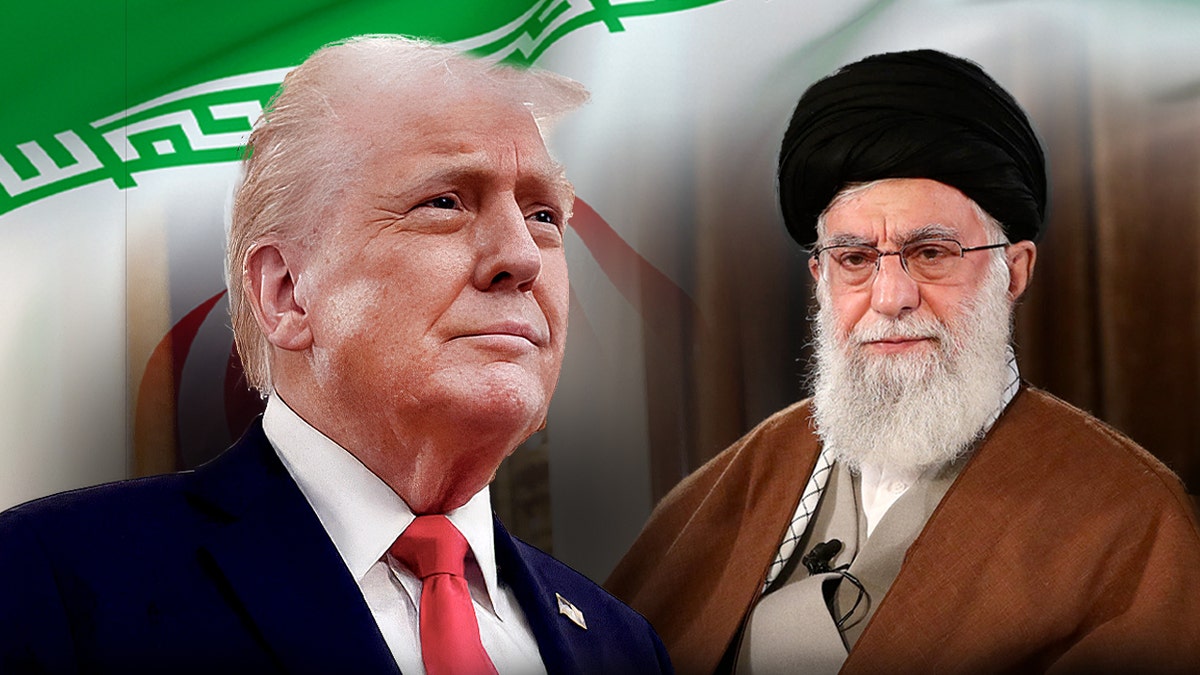
The scheduled flight for Vice President JD Vance was scrubbed just hours before takeoff, a move that signals a profound shift in the White House strategy toward Tehran. On the surface, the cancellation of the high-stakes Islamabad summit appears to be a simple reaction to a ceasefire extension. In reality, it is a calculated bet by the Trump administration that the Iranian regime is currently too divided to sign—let alone enforce—any meaningful peace treaty.
By indefinitely postponing the trip to Pakistan, Washington has moved the goalposts. The administration is no longer just demanding a nuclear freeze or the reopening of the Strait of Hormuz; it is demanding a "unified proposal" from a leadership structure in Tehran that currently looks more like a collection of warring fiefdoms than a sovereign government.
The Breakdown of the Unified Front
For decades, the West viewed the Iranian leadership as a monolithic entity where the Supreme Leader’s word was final. That image has dissolved over the last 72 hours. The latest intelligence reports suggest a massive internal rift between the "pragmatists" led by Parliament Speaker Mohammad Bagher Ghalibaf and the ideological hardliners within the Islamic Revolutionary Guard Corps (IRGC).
Ghalibaf has been the face of the Islamabad negotiations, pushing for a deal that would lift the suffocating U.S. naval blockade. However, the IRGC has spent the week publicly undermining him. While Ghalibaf’s team was preparing a draft for the second round of talks, IRGC General Majid Mousavi was issuing threats to "destroy the region's oil industry" if the ceasefire failed.
This internal discord is exactly why Vance stayed home. The U.S. realized that negotiating with Ghalibaf was pointless if the IRGC could veto any agreement with a missile launch the following morning. Washington’s new stance is clear: come back when you have one voice, or don't come back at all.
Pakistan’s Desperate Intercession
The ceasefire extension itself was not a planned diplomatic maneuver but a last-minute favor to Islamabad. Prime Minister Shehbaz Sharif and Field Marshal Asim Munir have been working the phones around the clock, effectively acting as the world’s most stressed mediators.
For Pakistan, the stakes are existential. A full-scale resumption of hostilities between the U.S. and Iran would likely spill over its borders, destabilizing an already fragile economy. The Pakistani leadership managed to secure this extension by promising the White House they could "deliver" a serious Iranian proposal.
Whether they can actually do so remains the $95-a-barrel question. Brent crude has been hovering near that mark, reflecting a global market that is terrified of a return to active combat. Every day the "pause" continues, the global economy breathes a sigh of relief, but the underlying tension only tightens.
The Blockade Strategy
While the bombs aren't falling, the "peace" is far from peaceful. President Trump has been explicit on Truth Social: the naval blockade of Iranian ports remains in full effect. This is a "strangle-and-wait" strategy.
By maintaining the blockade during the ceasefire, the U.S. is applying maximum pressure without the political cost of active bombing. Iran is reportedly losing roughly $500 million a day in revenue. The White House is betting that the Iranian public’s frustration, combined with the dry coffers of the regime, will eventually force the IRGC to bow to Ghalibaf’s diplomatic path.
The Risk of the "Buying Time" Narrative
Tehran’s response to the Vance cancellation has been predictably venomous. Mahdi Mohammadi, an adviser to the Iranian parliament, dismissed the ceasefire extension as a "ploy to buy time for a surprise strike."
This rhetoric isn't just for domestic consumption. It signals that the hardline elements in Iran are preparing for a "breakout" scenario. If they believe the U.S. is never going to negotiate in good faith, their only logical move—from their perspective—is to escalate. We are currently in a dangerous vacuum where the lack of a diplomatic channel increases the risk of a miscalculation on the water.
A single IRGC gunboat commander, feeling the pressure of the blockade, could take a shot at a U.S. vessel. If that happens, the ceasefire extension becomes a historical footnote.
The Vice President’s empty seat in Islamabad is a message to the world that the U.S. has reached its limit with "shadow" negotiations. Washington is no longer interested in talking to representatives who don't have the power to stop their own military from firing. The ball is now entirely in Tehran’s court, but the court is currently on fire.