The grease smells different now.
Thirty years ago, on the floor of a heavy industrial plant in Tianjin, the air tasted of sulfur, hot oil, and human sweat. We worked until our lower backs screamed in protest. We lifted steel castings that weighed just enough to herniate a disc if your footing slipped by a single centimeter. We traded cartilage for paychecks.
I remember staring at my hands one Tuesday evening back in 1998, skin stained dark with carbon, wondering how much longer the bone could hold out against the machine.
We always assumed the machine would stay anchored to the floor. We thought progress meant a bigger crane, a heavier press, a stationary iron monster that required a human hand to feed it.
We were wrong.
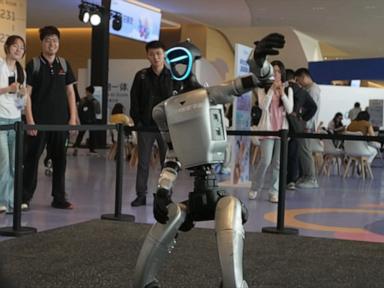
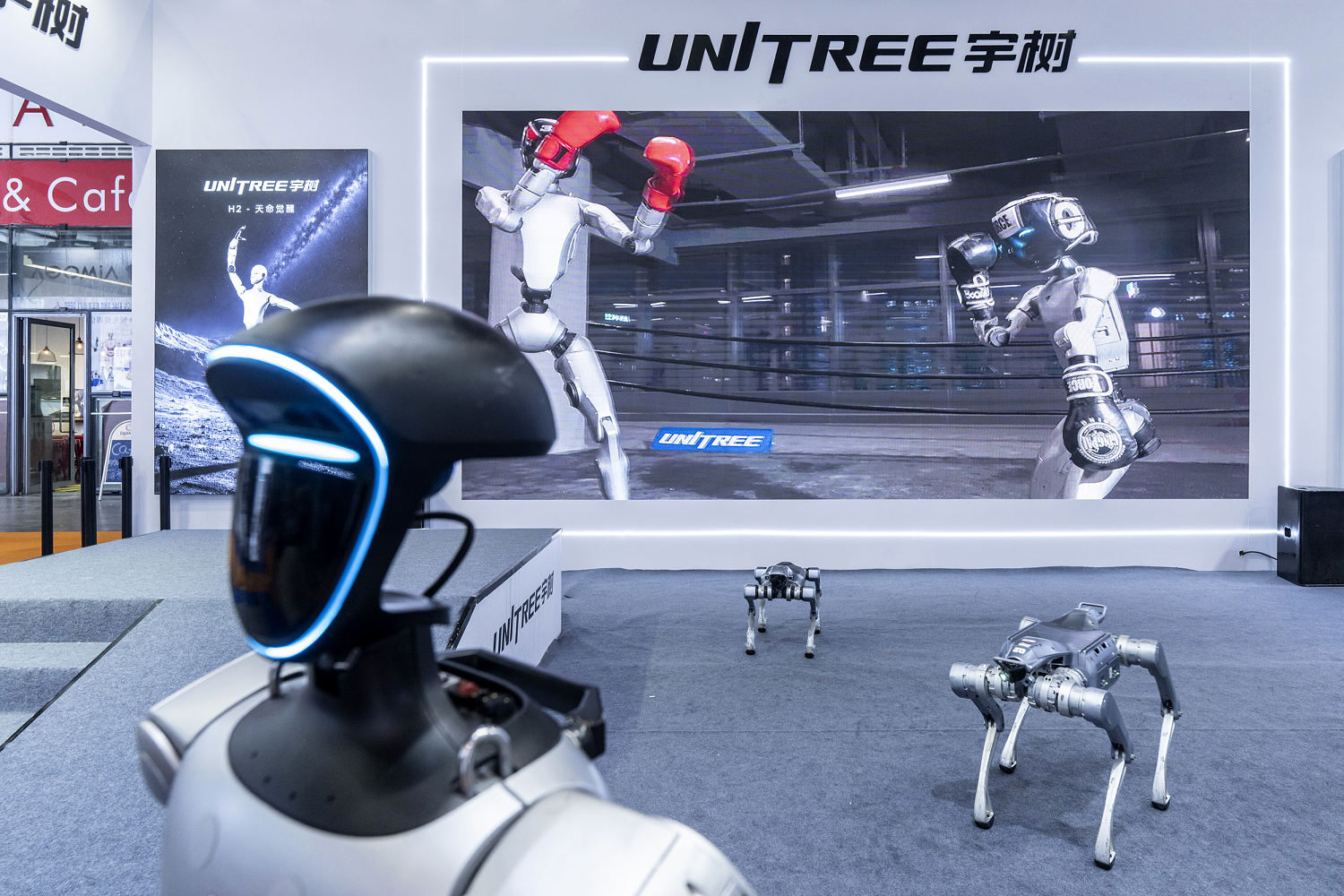
Unitree just changed the shape of the horizon. They call their newest creation a humanoid robot, but the corporate press releases miss the quiet terror and beauty of what actually happened. They named it Superman.
Watch it move.
It does not shuffle with the stiff, mechanical dread of early industrial automation. It runs. It jumps. It catches its balance on uneven ground with an eerie, biological grace that makes the hairs on your arms stand up. When you strip away the marketing hype, you are left with a simple, terrifying truth: the physical boundary separating human labor from digital capability has officially dissolved.
Consider what happens next.
The Weight of the Future
For decades, robotics researchers chased the wrong ghost. They wanted efficiency. They built wheeled platforms and spider-legged contraptions that looked brilliant in a laboratory hallway but fell apart the moment they encountered a standard American staircase or a muddy construction site.
They forgot that our entire world was built by a two-legged animal with two hands.
Door handles are positioned at forty inches. Hallways are four feet wide. Shelves require an overhead reach. If you want a machine to inherit the physical burdens of civilization, it has to fit our geometry. It needs a torso. It needs legs. It needs wrists that can torque a bolt with the same nuance as a twenty-year mechanic.
Unitree built that geometry.
The machine stands ready, draped in sleek composite panels, hiding a nervous system of high-torque actuators and microprocessors that calculate gravity faster than human neurons can fire. This is not just another hardware update. This is the moment a machine stops being a tool and starts becoming a peer.
My grandfather lost three fingers to a textile loom in 1954. My father wore a knee brace for twenty years because he refused to let a crane operator rush his shift. When I look at these bipedal androids sprinting across testing grounds, I feel a strange vertigo.
Relief. And fear.
The Anatomy of a Breakthrough
Why does this particular unveiling matter so much?
Up until now, humanoid robotics belonged to the realm of university research grants and astronomical price tags. They were delicate, temperamental dancers that needed tethered power cords and pristine lab conditions.
Unitree smashed that glass ceiling through sheer engineering aggression. By dropping the cost curve and scaling manufacturing velocity, they are moving bipedal systems out of the theoretical physics department and into the commercial supply chain.
Picture a warehouse floor at three in the morning.
There is no coffee machine brewing in the breakroom. There is no union rep arguing over safety protocols for lifting heavy crates. There is only the rhythmic, silent hum of dozens of titanium joints flexing in unison. They lift fifty-pound boxes with identical posture from the first minute of the shift to the eight-hundredth minute. They do not get tired. They do not lose focus because their child is sick at home. They do not check their phones.
Efficiency has a dark side.
We have spent centuries defining our human worth through our utility. We are what we build. We are what we carry. When an electromechanical body can carry it better, faster, and cheaper, we are forced to ask a brutal question: What happens to the people whose only asset was the strength of their spine?
The Human Equation
Technology never arrives to destroy us; it always arrives to save us from ourselves, or so the pitch goes.
The engineers at Unitree talk about dangerous jobs. They talk about disaster zones, radioactive nuclear cores, burning buildings, and deep-sea maintenance. They point to the noble pursuit of removing human flesh from harm's way.
And they are right.
Hypothetically, imagine a massive chemical plant leak in rural Texas. Valves are hissing toxic gas into the air. The human team must wait for gear, check respirators, hesitate because a single breath means organ failure. Now imagine deploying a squad of bipedal units that do not breathe, do not panic, and can pry open a jammed safety hatch with four hundred pounds of continuous hydraulic force.
That is not just progress. That is mercy.
Yet, technology does not stay in the hazard zone. The same machinery designed to enter a burning reactor will eventually stock the shelves at your local grocery store, sweep the subway platforms, and assemble automobiles.
The transition will not be loud. It will not happen in a single, cinematic explosion.
It will happen quietly, ledger line by ledger line, as procurement managers calculate that a robotic workforce requires no healthcare, no pension, and no sleep.
Walking Into the Unknown
I touched one of these machines last year at an industrial fair.
The casing was cool, smooth, and indifferent to my existence. When I pressed my palm against its chest housing, I felt a faint, high-frequency vibration—the heartbeat of a brushless motor humming at ten thousand revolutions per minute.
It didn't smile. It didn't flinch.
It simply stood there, balanced on two synthetic feet, waiting for a command that I had no authority to give.
We are standing at the edge of something immense. We have built our own successors, not out of silicon chips sitting quietly on desktop monitors anymore, but out of muscle, joints, and tendons made of carbon fiber and rare earth magnets.
The factory floor in Tianjin is gone now, replaced by luxury condominiums and coffee shops. The men I worked with are old, retired, or gone. Their grandchildren are learning to code, trading wrenches for keyboards, assuming that the digital world was the only frontier left to conquer.
They were wrong. The physical world is back, and it is holding a wrench of its own.
The machine stands in the quiet light of the testing lab, its sensors blinking in the dark, waiting for the morning shift that never ends.