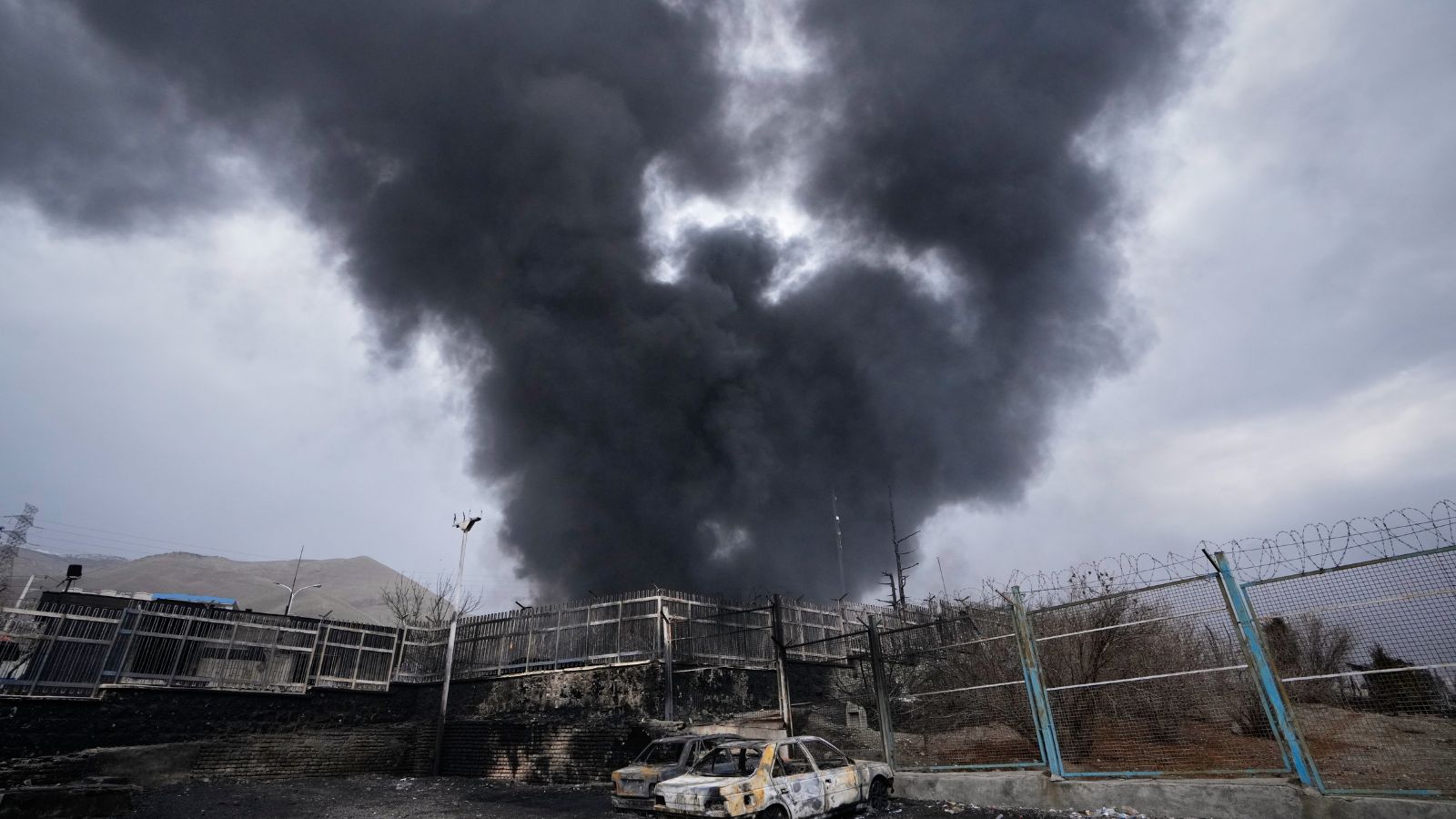
The dust hasn't even settled in Isfahan, but the shovels are already out. After weeks of punishing joint strikes by the U.S. and Israel, intelligence reports confirm that Tehran is literally digging through the rubble to recover what's left of its ballistic missile arsenal. It’s a desperate move. While the ceasefire holds by a thread, the IRGC is racing to move launchers and munitions into new hiding spots before the next wave of "bunker busters" arrives.
You've gotta wonder if they realize how much we can see. U.S. Defense Secretary Pete Hegseth recently dropped the hammer on any illusions of privacy, telling the press that the Pentagon is tracking every single asset move. "We know what military assets you are moving and where you are moving them to," he said. It’s not just tough talk. Between high-res satellite imagery and electronic signals, the Iranian military is basically operating in a glass house. If you enjoyed this post, you should look at: this related article.
The Reality of the Damage
The February 2026 strikes weren't just a warning. They were a systematic dismantling of Iran's "strategic depth." Experts from the Institute for the Study of War (ISW) note that at least four major production facilities—Khojir, Shahroud, Parchin, and Hakimiyeh—took massive hits. We're talking about the mixing and casting buildings used for solid rocket propellant. Without those, you aren't building new missiles; you're just shuffling the ones you already have.
Recent assessments suggest: For another angle on this development, see the recent update from NBC News.
- Roughly 60% of Iran’s ballistic missile launchers were destroyed or disabled.
- 80% of their air defenses are currently offline or severely degraded.
- Production of short-range and medium-range missiles has likely ground to a halt.
So, why the digging? Because even a 40% functional arsenal is still dangerous. U.S. intelligence believes about half of Iran’s launchers are still intact, though many are currently trapped under collapsed concrete and earth. If they can dig them out, they can use them. That’s the nightmare scenario keeping Washington up at night.
The Strait of Hormuz Standoff
The real leverage Iran still holds is the Strait of Hormuz. They’ve blocked the world’s most critical oil transit route, and even with their navy largely sitting at the bottom of the Persian Gulf, they’ve still got tricks. The IRGC has thousands of small boats and unmanned surface vessels hidden along the coast. Plus, they’ve mined the waters with Maham-class limpet mines.
This isn't just about military posturing; it’s economic warfare. Oil prices are screaming, and the global market is feeling the squeeze. Trump has reportedly given Iran a narrow window—some say three to five days—to get to the negotiating table or face a "total elimination" of their remaining nuclear and military infrastructure.
Why the Ceasefire is a Mirage
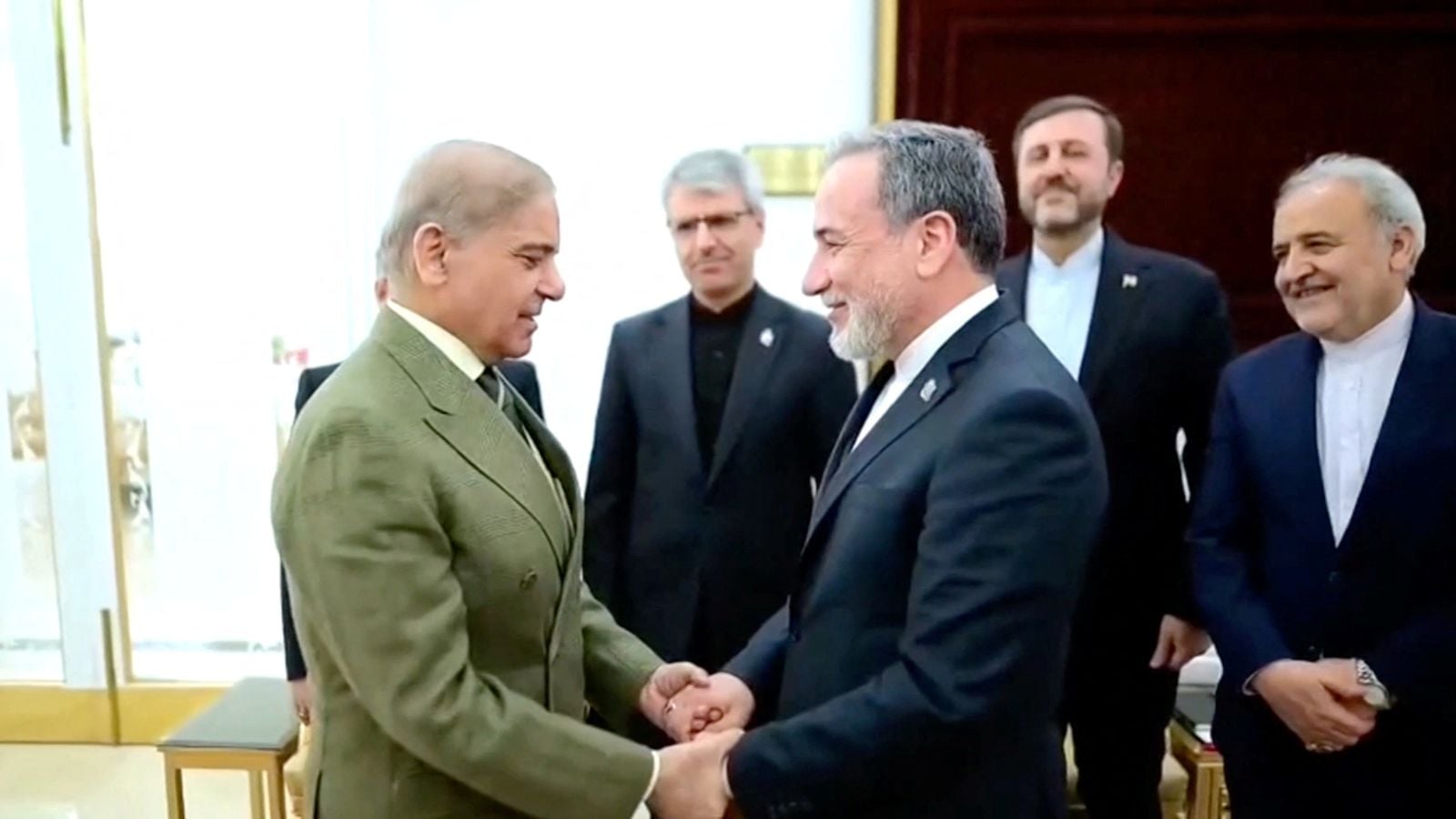
Don't let the "ceasefire" fool you. It’s more of a tactical pause than a peace agreement. While Pakistan tries to mediate in Islamabad, both sides are using the time to reload. The U.S. is running a massive "air bridge" to bring in more munitions and refuelers. To Tehran, that looks like prep for a finishing blow. To the U.S., Iran's "digging" looks like preparation for a massive retaliatory strike.
Basically, everyone is waiting for the other person to blink. If Iran manages to recover enough of its hidden stockpile, they might feel bold enough to launch another wave of drones and missiles at Israel or U.S. bases. If they do, the response won't just be more strikes; it’ll likely be the end of the current regime’s ability to govern at all.
What This Means for You
If you're watching the news and wondering why gas prices are ticking up or why the headlines feel so heavy, this is the reason. The "shadow war" is now a very loud, very visible conflict with global stakes. The next few weeks will decide if we’re headed for a long-term regional war or a fragile, forced peace.
Keep an eye on these indicators:
- Shipping Traffic: If the Strait of Hormuz doesn't reopen to commercial tankers soon, the global economic fallout will get much worse.
- Satellite Leaks: Watch for reports of "increased activity" at Isfahan or Parchin. That means the "digging" is yielding results.
- Diplomatic Deadlines: If the Islamabad talks collapse, expect the "three-day ultimatum" to turn into kinetic action.
The Iranian regime is backed into a corner, and a cornered power with a shovel and a hidden missile is a volatile thing. Don't expect this to settle down quietly.
Check your local energy prices and prepare for continued volatility in the markets. If you're invested in defense or energy sectors, the next 72 hours are critical for your portfolio.