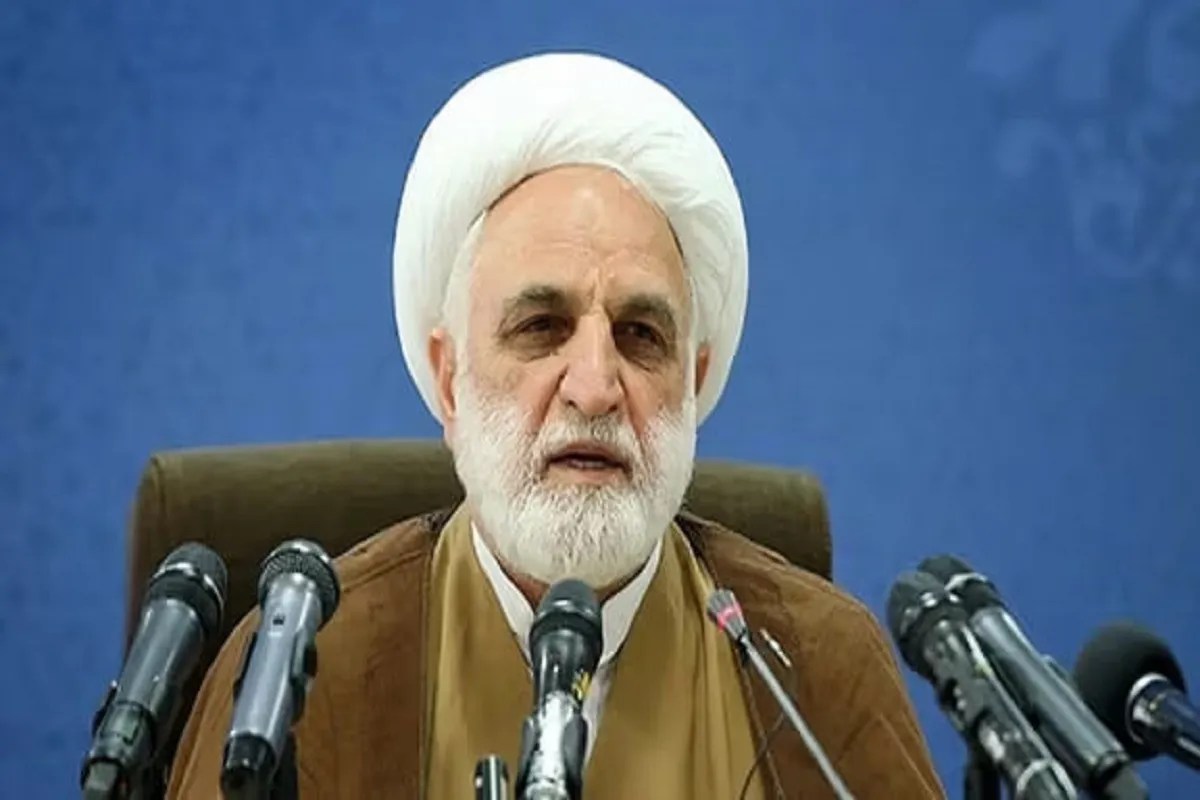
Don't be fooled by the headlines. When Iran's Judiciary Chief, Gholam-Hossein Mohseni-Ejei, stands up and says Tehran is ready for "principled and logical" talks, he isn't extending an olive branch. He's playing a high-stakes game of survival. After 40 days of blistering conflict with US and Israeli forces, the regime in Tehran is cornered, but it’s far from defeated.
If you’ve been watching the news, you know the situation is desperate. Tehran’s air defenses are twitchy, the Strait of Hormuz is a chokehold, and the Iranian people are dealing with rolling blackouts and a crumbling economy. Yet, the Chief Justice’s statement—delivered during a session of the Supreme Council of the Judiciary—isn't a sign of weakness. It’s a calculated move to stall for time while keeping a finger on the trigger.
The Logic Behind the Principles
What does "principles and logic" even mean in the context of Iranian diplomacy? For Ejei, it’s code for "we won't give up what we fought for." He’s basically telling the Americans that if they expect Iran to fold at the negotiating table after surviving a 40-day military onslaught, they’ve got another thing coming.
The recent Islamabad talks, mediated by Pakistan, ended in a total deadlock. Why? Because the US, led by a relentless Donald Trump, demanded what Ejei calls "excessive demands." Trump isn't just looking for a nuclear freeze anymore; he wants the full dismantling of enrichment and control over the Strait of Hormuz. Iran, meanwhile, is holding those same shipping lanes hostage as its only real leverage.
A Judiciary with a Double Edge
Ejei isn't just a diplomat; he’s the man overseeing a massive domestic crackdown. While he talks about "negotiation" to the international community, he’s ordering the rapid trial and execution of "enemy foot soldiers" at home. It's a classic good cop, bad cop routine played by a single person.
The regime is terrified of the January 2026 uprising that’s been simmering beneath the surface. By projecting strength through the judiciary, Ejei is trying to show that the leadership hasn't lost its grip, even as US-Israeli strikes have hit over 130,000 targets across the country. He’s telling the world they’re ready to talk, but he’s telling his own people they’ll hang for dissent. It’s a grim reality that most analysts overlook when they focus solely on the "diplomatic opening."
The Battlefield vs the Table
There’s a massive disconnect between what’s being said in Islamabad and what’s happening in the Persian Gulf. President Trump has already signaled he’s "not satisfied" with the latest proposal from Tehran. He’s doubled down on a naval blockade that’s starving the regime of oil revenue.
Here’s what’s actually on the table:
- Sanctions Relief: Iran needs the global banking system back. Yesterday.
- Nuclear Enrichment: The US wants it gone; Iran sees it as their only insurance policy.
- The Hormuz Chokehold: Iran has proven it can rattle global energy markets. They won't give that up for a few vague promises.
- War Reparations: Tehran is actually asking for money to fix the infrastructure destroyed in the recent strikes.
Why a Deal is Still Miles Away
Honestly, the mistrust is just too deep. You have Ejei calling US negotiators "arrogant savages" in one breath and offering "logical talks" in the next. On the other side, the US administration is sanctioning Chinese companies linked to Iran and threatening "secondary sanctions" on anyone buying a single drop of Iranian oil.
The ceasefire is paper-thin. It’s scheduled to hold, but with Iran’s Revolutionary Guard (IRGC) warning they’ll "open the gates of hell" if the blockade continues, nobody is breathing easy. The IRGC and the "guys with the guns" often don't see eye-to-eye with the "guys in the suits" like Foreign Minister Araghchi.
If you're waiting for a breakthrough, don't hold your breath. The "readiness for talks" is a tactical pause, not a change of heart. The regime is trying to navigate a narrow path between total military collapse and a domestic revolution.
Watch the Strait of Hormuz. That’s where the real negotiation is happening. If the tankers don't move, the talk is just noise.
Next Steps for Following the Crisis
- Monitor the Blockade: Keep an eye on US Navy movements near Iranian ports; this is the primary pressure point.
- Watch the IAEA: Any move to allow inspectors into the damaged sites will be the first real sign of a thaw.
- Track Energy Prices: If Hormuz stays "under management" by the IRGC, expect your gas prices to stay volatile.