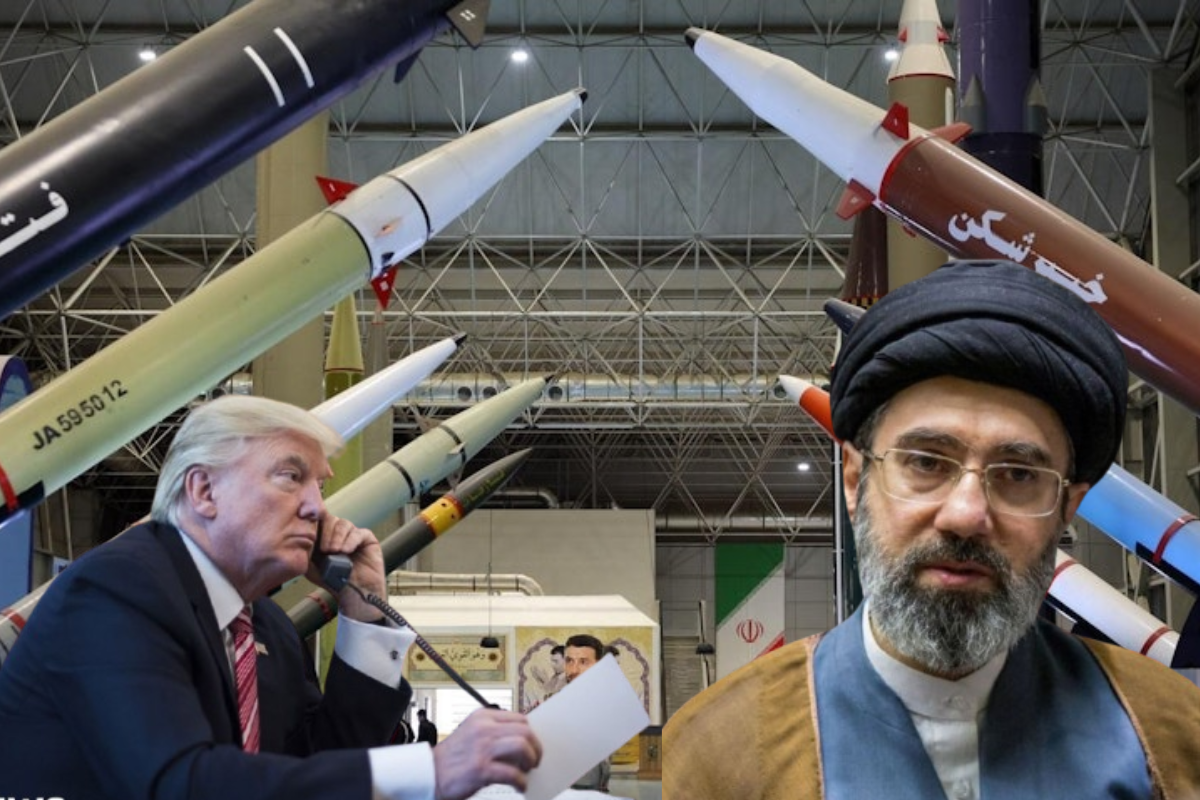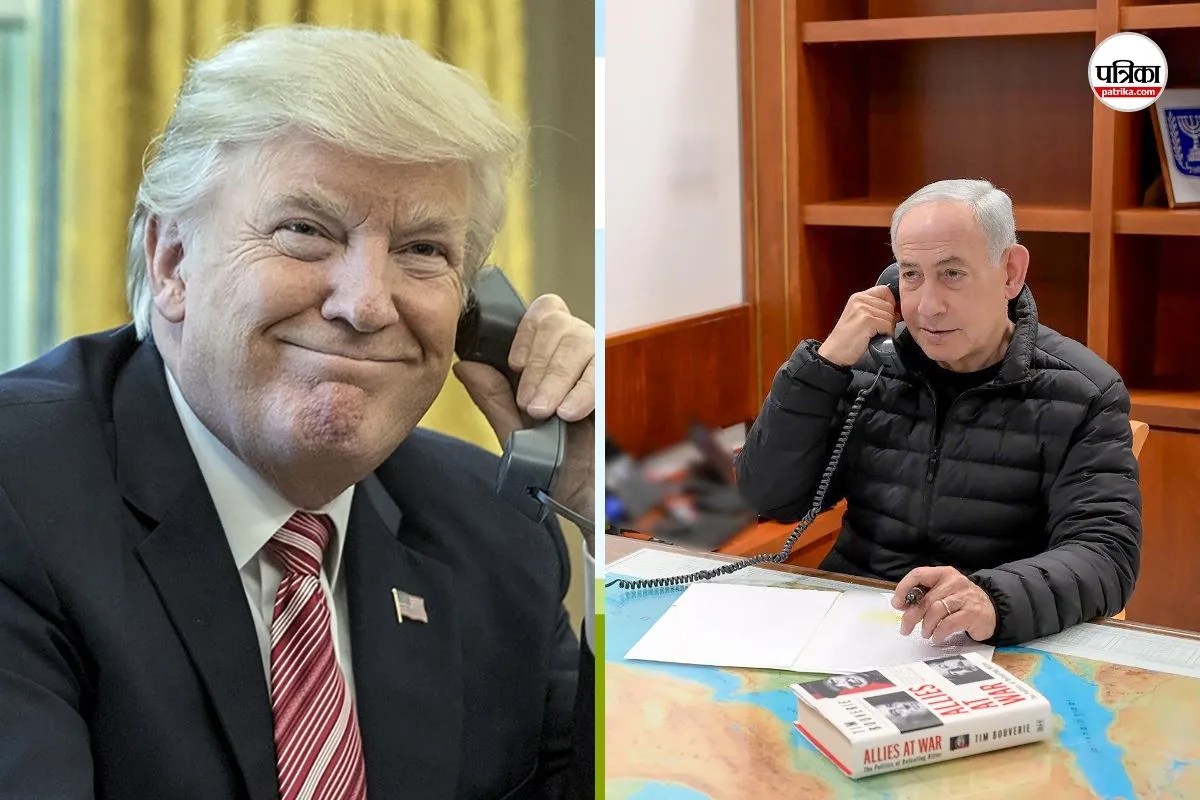
Fear sells. Specifically, the image of eleven tons of enriched uranium sitting in a bunker sells clicks, panic, and massive defense budgets. The mainstream media is currently obsessed with the idea that a phone call between Trump and Putin has "revealed" a catastrophic threat. They treat the Iranian nuclear stockpile like a ticking time bomb that is seconds away from midnight.
They are wrong. Discover more on a similar subject: this related article.
The obsession with the "11-ton stockpile" is a distraction. It ignores the actual physics of weaponization and the cold, hard logic of Middle Eastern power dynamics. Iran isn't building a bomb to use it; they are building a capability to keep the West in a state of permanent, expensive anxiety. If you think the "breakout time" is the only metric that matters, you’ve already lost the argument.
The Myth of the Eleven Ton Threat
Most journalists treat uranium like gunpowder. They assume that if you have more of it, the explosion is simply bigger or more certain. This is a fundamental misunderstanding of nuclear enrichment cycles. Further analysis by Al Jazeera delves into similar perspectives on the subject.
The vast majority of that much-discussed stockpile is enriched to 5% or 20%. To make a weapon, you need 90%—weapons-grade uranium (WGU). The leap from 20% to 90% is technically significant, but the real barrier isn't the raw material; it’s the weaponization process itself.
You can have a mountain of 20% enriched uranium, but without a miniaturized warhead, a reliable delivery vehicle, and a heat shield that won't melt upon re-entry, you have a very expensive paperweight. Iran knows this. They aren't rushing for the finish line because the process of reaching for the finish line gives them more leverage than actually crossing it.
The Sovereignty Tax
I have spent years watching diplomatic circles burn through billions of dollars trying to "solve" the Iranian nuclear issue. What they fail to realize is that Iran has already won. By maintaining a stockpile that fluctuates just below the threshold of a "red line," Tehran has successfully forced the world's superpowers to treat them as an equal.
This is the Sovereignty Tax. Iran forces the United States and Russia to spend diplomatic capital, intelligence resources, and time on them. If they actually tested a device, that leverage would vanish. They would move from being a "threshold state" to a "pariah state" with a target on their back.
Look at North Korea. They have the bomb. Are they more integrated into the global economy? No. Are they safer? Arguably not, as they now face a permanent state of high-intensity containment. Iran’s leadership is many things, but they are not suicidal. They prefer the "Stockpile Strategy" because it buys them a seat at the table without the consequences of an actual nuclear test.
Trump Putin and the Art of the Leak
The recent reports suggesting a "major revelation" from a Trump-Putin dialogue are more about theater than intelligence. In the world of high-stakes geopolitics, "leaks" about nuclear stockpiles are almost always intentional.
Russia uses Iran as a convenient boogeyman to trade for concessions in Eastern Europe. The U.S. uses Iran to justify its security umbrella in the Gulf. When you hear that Putin and Trump are discussing the "11-ton threat," what you are actually seeing is the setup for a new round of horse-trading.
Why the Breakout Time is a Lie
The "breakout time"—the theoretical period it would take Iran to produce enough WGU for one bomb—is currently estimated in weeks. This number has been "weeks" for a very long time.
- Centrifuge Efficiency: Iran’s IR-1 centrifuges are antiquated. Their newer IR-6 models are better, but they haven't deployed them at the scale needed for a secret, rapid breakout without the IAEA noticing.
- Detection: You cannot enrich uranium to 90% in secret when you are under the most intensive inspection regime in history. The moment the UF6 gas is fed back into the cascades for that final push, the signatures are unmistakable.
- The Final Step: Producing the metal and machining it into a sphere for a pit is a messy, difficult task. Iran hasn't demonstrated this capability at scale.
We are staring at a scoreboard that only tracks the first quarter of the game and acting like the trophy is being handed out.
The Counter-Intuitive Reality of Sanctions
We are told that sanctions are meant to stop the enrichment. In reality, sanctions have turned the nuclear program into Iran’s only viable export. They aren't exporting the uranium; they are exporting the threat of the uranium in exchange for sanctions relief or frozen asset releases.
If the stockpile went away tomorrow, Iran’s primary source of diplomatic power would evaporate. Why would they ever truly get rid of it?
Stop Asking if They Can Build It
The question "Can Iran build a bomb?" is the wrong question. Of course they can. They have the scientists, the centrifuges, and the material.
The real question is: "Why would they?"
A nuclear-armed Iran triggers a nuclear-armed Saudi Arabia. It triggers a preemptive strike from Israel. It ends the "threshold" status that allows them to play the West and the East against each other.
The 11-ton stockpile isn't a weapon of war. It is a masterpiece of psychological engineering. It is a buffer. It is a bargaining chip that never gets spent.
The Professional’s Take on the Fallout
If you are a policy maker or an investor looking at this "disclosure" and feeling the urge to hedge against a Middle Eastern nuclear war, take a breath.
The status quo is too profitable for everyone involved. Putin needs the Iranian distraction to keep the U.S. occupied. Trump needs a "crisis" to solve with his brand of "deal-making." Iran needs the stockpile to ensure the regime doesn't end up like Gaddafi’s.
We are living through a scripted drama where the "11 tons of uranium" is the MacGuffin—the object that everyone chases but no one actually wants to catch.
The "nuclear threat" is the most stable thing in the Middle East. It provides a framework for communication between enemies who otherwise wouldn't speak. It creates a predictable cycle of escalation and de-escalation that keeps the global energy markets in a tight, profitable grip.
Stop looking at the tonnage. Start looking at the theater. The stockpile isn't the story; the fact that we are still talking about it thirty years later is the real achievement of Iranian foreign policy.
They don't need to drop a bomb. They already dropped the idea of one into your head, and it’s been paralyzing global policy ever since.