The night sky over Israel didn't just light up with explosions. It showcased a shift in how modern wars are fought. When Iran launched its massive barrage of ballistic missiles, the world watched what some are calling "dancing missiles" perform a high-stakes maneuvers in the atmosphere. This wasn't just a random act of aggression. It was a calculated demonstration of technical evolution that caught even the most seasoned defense analysts off guard.
If you think this was just another exchange of fire, you’re missing the bigger picture. We’re seeing the end of the era where superior air defenses meant total invulnerability. Iran’s latest strike proved that volume combined with erratic flight paths can stress even the most advanced interception systems like the Arrow-3 and the American Aegis.
The Reality Behind the Dancing Missile Tech
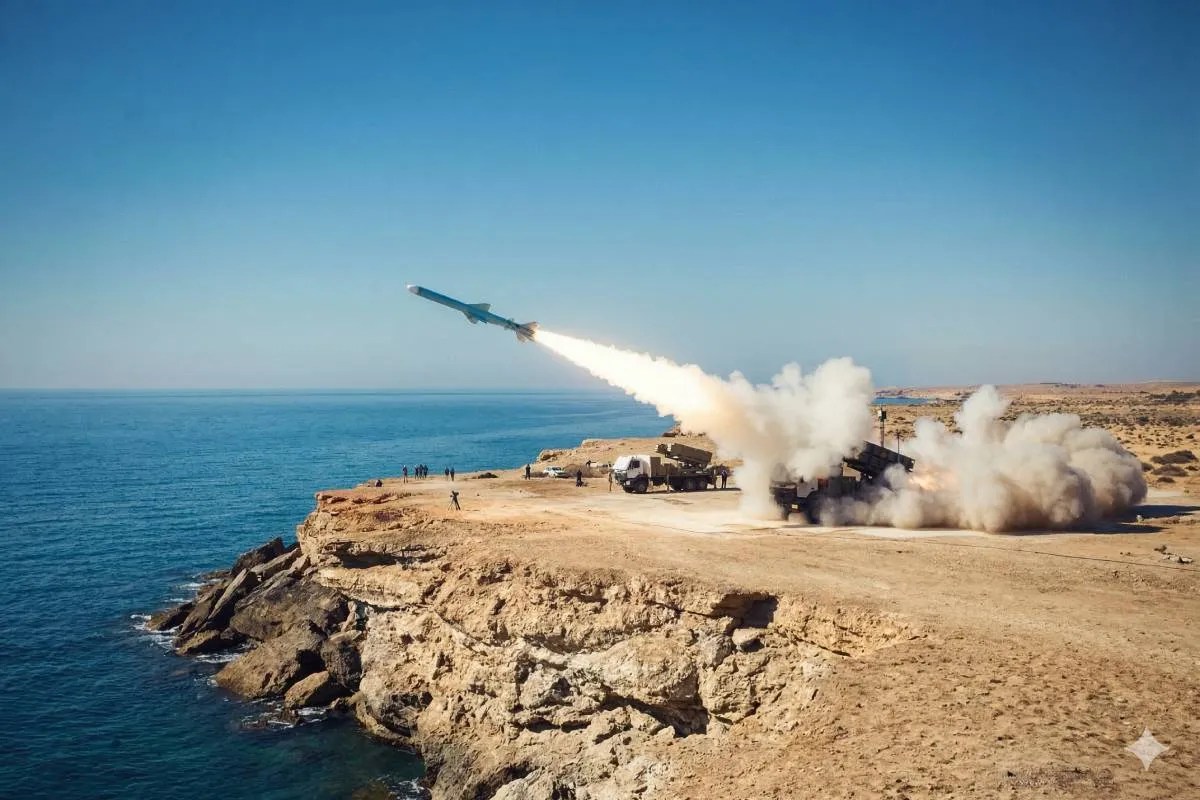
The term "dancing missile" isn't just poetic flair from state media. It refers to the maneuverable re-entry vehicles (MaRVs) that Iran has integrated into its Fattah and Kheibar Shekan classes. Most traditional ballistic missiles follow a predictable arc. They go up, they reach a peak, and they fall back down like a tossed stone. That's easy for a computer to track.
But these new Iranian variants don't play by those rules. Once they re-enter the atmosphere, they use fins or side-thrusters to change direction. They skip. They swerve. They literally "dance" to avoid the interceptors sent to destroy them. When an interceptor like the Patriot PAC-3 calculates a collision point, the Iranian missile simply isn't there anymore.
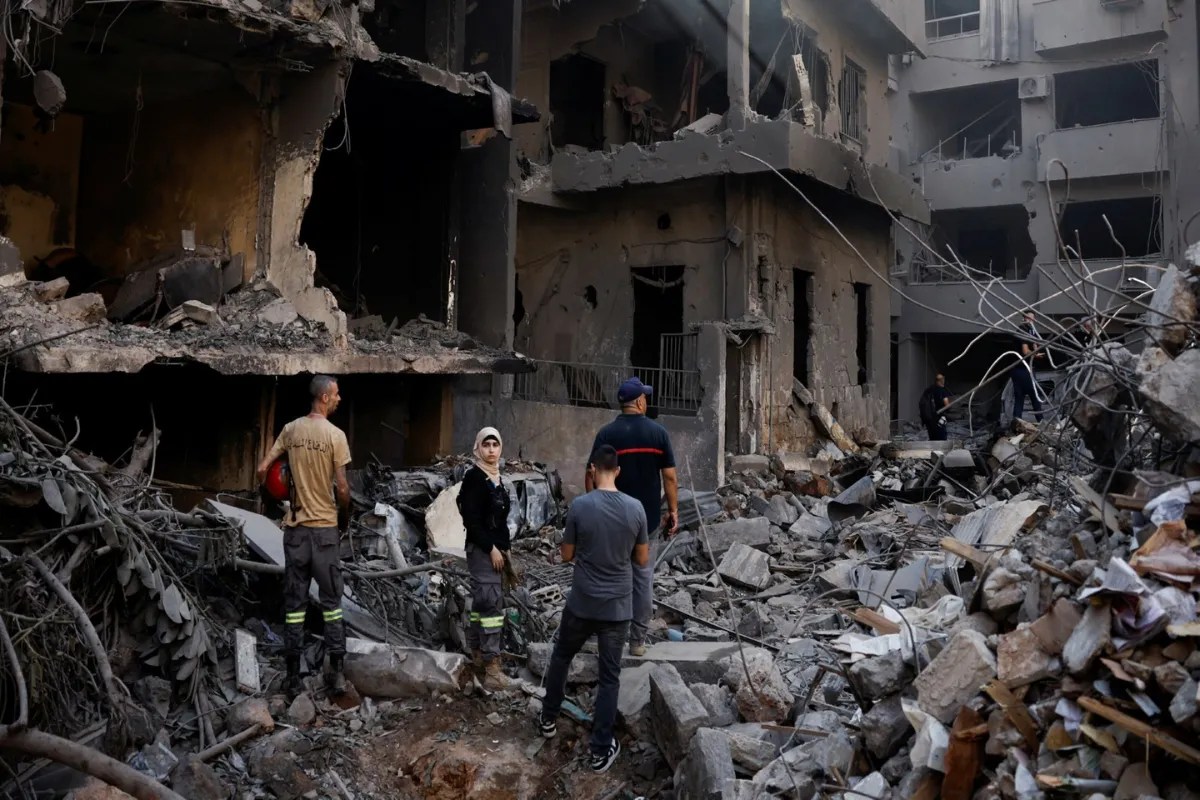
This isn't theory. We saw videos of multiple warheads slamming into the Nevatim Airbase. While the damage was downplayed, the message was clear. Iran can now punch through the most sophisticated multi-layered defense shield on the planet. They did it with a mix of old-school saturation tactics and new-school trajectory shifting.
Numbers That Should Make Every General Nervous
Let's look at the math because the math is terrifying. During the peak of the confrontation, Iran reportedly fired over 180 ballistic missiles. This wasn't the slow-moving drone swarm we saw in previous months. These were high-velocity projectiles traveling at several times the speed of sound.
- Intercept costs: A single interceptor for the Arrow-3 system costs roughly $3.5 million.
- Offensive costs: An Iranian liquid-fuel missile might cost as little as $100,000 to $500,000 to produce.
- The Gap: Israel and its allies spent over $1 billion in a single night just to knock things out of the sky.
Iran is playing a game of economic attrition. They don't need to destroy every building. They just need to stay "cheap" while forcing the West to stay "expensive." Eventually, the magazines run dry. You can't manufacture a $3 million interceptor as fast as Iran can weld together a flying gas tank with a guidance chip.
Misconceptions About the Iron Dome
I see people online constantly asking why the Iron Dome "failed" during the missile rain. Here’s the truth: The Iron Dome wasn't even the primary player. The Iron Dome is designed for short-range Katyusha rockets and mortar shells. It's brilliant at stopping Hamas's home-made projectiles, but it’s practically useless against a medium-range ballistic missile coming from 1,000 miles away at Mach 5.
The heavy lifting was done by the Arrow-2 and Arrow-3 systems, along with U.S. Navy destroyers in the Mediterranean. When you see footage of "missiles getting through," you’re seeing the limitations of high-altitude defense. No system is 100% effective. Even a 90% success rate—which is world-class—means 18 missiles still hit their targets. In a nuclear scenario, that's game over.
The Psychological War on the Ground
There’s a reason Iran chose to launch during the evening hours. They wanted the footage. They wanted the residents of Tel Aviv and Jerusalem to look up and see the streaks of fire. Modern warfare is 50% physics and 50% TikTok. By forcing millions of people into bunkers, Iran achieved a psychological victory regardless of the physical damage to runways or hangars.
I've talked to folks who monitor regional signals, and the consensus is that Iran is no longer hiding behind "strategic patience." They’ve moved to "active deterrence." They're basically telling the U.S. and Israel that the old red lines are gone. If you hit their consulates or their commanders, they will launch from their own soil, not just through proxies like Hezbollah.
Why This Matters for Global Security
This isn't just a regional spat. China and Russia are watching these engagement patterns closely. They’re seeing how Western sensors react to "dancing" warheads. They’re measuring the lag time in satellite warnings.
The Iranian missile program has become the "R&D lab" for asymmetric warfare. They’ve proven that a country under heavy sanctions can still develop a world-class missile force by focusing on specific niches like maneuverability and saturation. They didn't try to build a better stealth fighter; they just built a way to make the fighter's runway disappear.
What Happens When the Smoke Clears
Don't expect things to settle back to the "gray zone" anytime soon. Israel is now pressured to show that its deterrence isn't broken. That means a retaliatory strike is almost a certainty, likely targeting the very factories where these missiles are born.
The cycle of escalation has shifted gears. We’re no longer talking about border skirmishes. We’re talking about the logistics of a full-scale regional war where "distance" no longer provides safety.
If you’re tracking these events, stop looking at the political speeches and start looking at the satellite imagery of the impact sites. That’s where the real story is told. Look for the craters near high-value assets. Even a miss by 100 meters is a "warning shot" that says, "We can get close enough."
Keep an eye on the Mediterranean naval deployments. The U.S. is moving more Aegis-equipped ships into the area for a reason. They know the current land-based batteries aren't enough to stop a coordinated, multi-directional dance of Iranian steel. The next time the sirens go off, the dance will likely be even more complex.
Check the shipping lanes in the Persian Gulf next. If Iran feels emboldened by their missile performance, the Strait of Hormuz is the next logical lever to pull. When the missiles dance, the global economy shivers. That’s the reality of 2026.
Pay attention to the specific types of Iranian launchers being moved in the coming days. The shift from liquid-fuel to solid-fuel rockets is the real indicator of a looming strike. Solid-fuel missiles can be prepped and fired in minutes, making them almost impossible to hit on the ground before they launch. That’s the real "dance" everyone should be worried about.