The world breathed a collective sigh of relief this morning when oil futures plummeted. After forty days of a brutal, high-stakes military conflict that threatened to "erase a civilization," the United States and Iran finally agreed to a two-week truce. At the center of this pause is a 10-point proposal from Tehran that President Trump has already labeled a "workable basis" for negotiations. But don't let the sudden dip in gas prices fool you. If you look at the actual demands tucked into this blueprint, it’s clear we aren't looking at a white flag. We’re looking at a bid for a total regional reset that the U.S. might find impossible to swallow.
The reality is that this "plan to end the war" reads more like a victory lap for the Islamic Republic than a compromise. It demands everything from the total withdrawal of U.S. forces in the Middle East to a $2 million "transit fee" for every ship passing through the Strait of Hormuz. It’s bold, it’s aggressive, and it’s exactly what happens when a country feels it has enough leverage to rewrite the rules of the game while the global economy sits on the edge of a cliff.
The guts of the 10 point proposal
Tehran didn't just ask for a ceasefire. They asked for a transformation. According to details released through state media and confirmed by mediators in Pakistan, the plan hinges on several non-negotiable pillars.
First, there’s the Strait of Hormuz. Iran isn't just offering to stop the blockade; they want to institutionalize their control over it. The plan proposes a $2 million fee per ship, to be split with Oman, with the proceeds going toward reconstructing Iranian infrastructure destroyed by U.S. and Israeli strikes. This would essentially turn one of the world's most vital maritime chokepoints into a private toll road for the Iranian treasury.
Then you have the nuclear question. While Trump has stated the U.S. will work to "remove nuclear dust" from the country, Iran’s plan explicitly demands the recognition of its right to uranium enrichment. They aren't looking to dismantle the program; they’re looking for a permit.
A breakdown of the primary demands
- Total Sanctions Relief: Lifting all primary and secondary sanctions imposed since 1987.
- Military Withdrawal: The exit of all U.S. combat forces from "West Asia" (the Middle East).
- Asset Release: Immediate unfreezing of billions in Iranian assets currently held in foreign banks.
- Non-Aggression Guarantees: A legally binding promise that neither the U.S. nor its allies (read: Israel) will attack Iran again.
- International Legitimacy: A UN Security Council resolution to make the entire agreement binding under international law.
Why Trump thinks it is workable
You might wonder why a president who recently threatened "civilizational destruction" would call this proposal "workable." It’s basically about the oil. The de facto closure of the Strait of Hormuz has been an absolute disaster for the global economy. Trump needs that waterway open yesterday.
By accepting the 10-point plan as a "basis for negotiation," the White House bought a two-week window where ships can start moving again. It’s a classic tactical retreat. Trump can claim he forced Iran to the table through "maximum pressure," while the Iranians can tell their people they forced the "Great Satan" to accept their terms. It’s a PR win for both sides that hides a massive chasm in actual policy.
The Israel and Lebanon wildcard
Here’s where it gets messy. While Iran's 10-point plan aims for a "solution to all regional conflicts," the U.S. and Israel have already started poking holes in that dream. On the same day the truce was announced, Israel conducted strikes on over 100 targets in Lebanon.
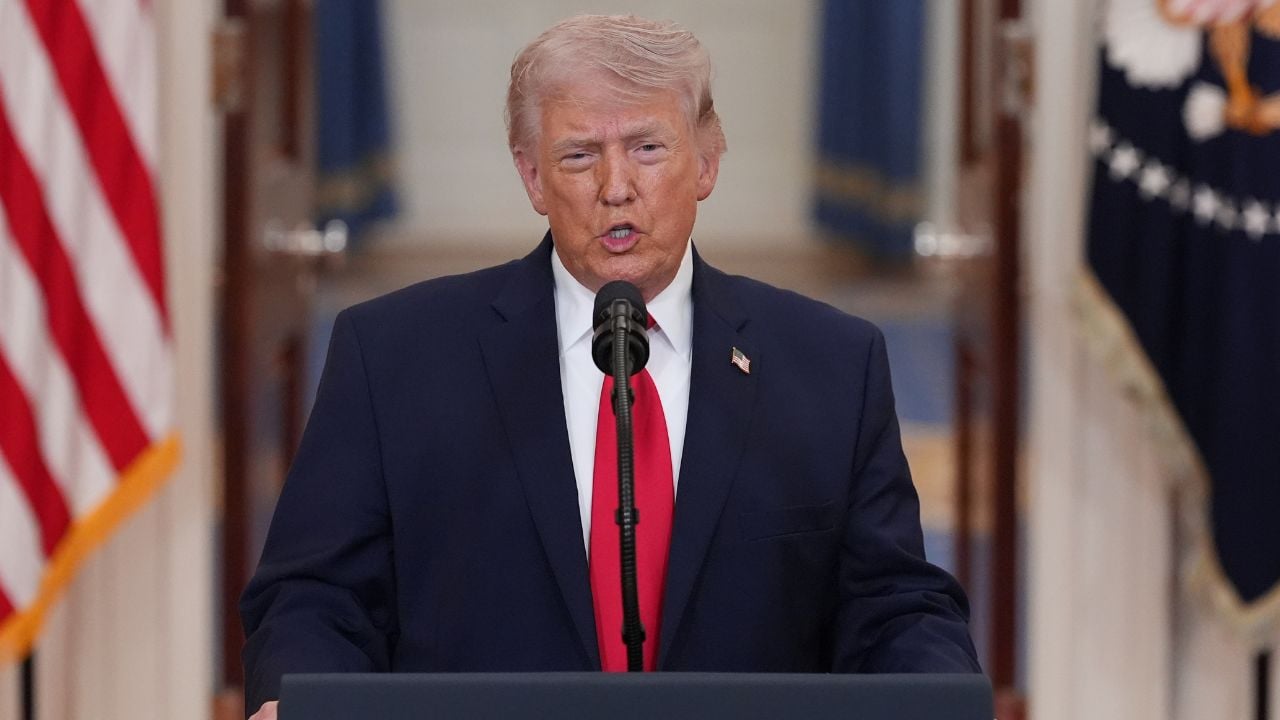
Trump was blunt about it in his press conference: "Lebanon is not included in the deal." He made it clear that Hezbollah is a separate issue that will "get taken care of." This creates a massive problem for the "permanent peace" Iran is pitching. If the U.S. continues to support Israeli operations against Iran’s proxies while negotiating a grand bargain with Tehran, the ceasefire won't last until the weekend. You can't have a "fragile truce" in one room and a hot war in the next.
Reading between the lines
If you've followed Middle Eastern geopolitics for more than five minutes, you know that "lifting all sanctions" is a non-starter for the U.S. establishment. Even with Trump’s penchant for the "Big Deal," the political cost of rewarding Iran after a forty-day war is astronomical.
The Iranian side knows this too. By setting the bar so high—demanding $2 million tolls and U.S. withdrawal—they’ve given themselves plenty of room to "compromise" down to something that still looks like a win. They’re playing for time, hoping the economic pressure on the West will force a more favorable settlement during the upcoming talks in Islamabad.
What happens next
The real test starts Friday in Islamabad. If the negotiations don't show immediate progress on the "Nuclear Dust" removal or the specifics of the maritime security framework, expect the rhetoric to turn toxic again.
Don't expect a final signature anytime soon. These ten points are a wishlist, not a contract. Watch the shipping lanes. If the $2 million fee becomes a hard requirement, the "workable basis" will evaporate faster than a desert rain. For now, keep your eyes on the mediators in Pakistan. They’re the only ones keeping the bombs from falling for the next fourteen days. If you're looking for a sign of peace, don't look at the headlines—look at the number of tankers successfully clearing the strait without an escort.
Check your local fuel prices and hope the "fragile truce" holds. It’s going to be a long two weeks.