Washington’s favorite weapon is broken. For decades, the United States didn’t need to drop bombs to bring a country to its knees. It just had to flip a switch in the global financial system. But the recent escalations involving Iran have proven that this switch no longer works the way it used to. The era of the "financial superpower" is fading.
When the U.S. weaponized the dollar, it expected submission. Instead, it got a world that learned how to build a fence around the American treasury. We’re seeing a massive shift in how global power functions. It’s not just about tanks and drones anymore. It’s about the fact that Iran, despite being under the most "maximum" of pressures, is still standing, trading, and fighting. You might also find this related coverage insightful: Maritime Security Architecture and the Cost of Containment in the Strait of Hormuz.
The strategy failed. Honestly, it didn't just fail; it backfired. By pushing Iran to the edge, the U.S. forced Tehran to pioneer a blueprint for survival that other nations are now copying. This isn't a theory. It’s happening right now in real-time.
The Sanctions Trap and Why It Snapped
Sanctions only work if the target has nowhere else to go. For a long time, the U.S. controlled every exit. If you wanted to sell oil, you needed the dollar. If you wanted to move money, you needed SWIFT. If you didn't play by Washington’s rules, you were erased from the global economy. As discussed in recent coverage by Associated Press, the implications are worth noting.
Iran changed the math. They didn't just hunker down and wait for the storm to pass. They built a "resistance economy." They found buyers in the East who didn't care about White House press releases. China became the vacuum that sucked up Iranian crude, often using "ghost fleets" and creative accounting that the U.S. Treasury simply couldn't track or stop.
The numbers tell a story the State Department usually ignores. In 2023 and 2024, Iranian oil production actually hit multi-year highs. Think about that. How can a country under "crippling" sanctions increase its primary export? It happens because the U.S. lost the ability to enforce its will on the rest of the world. Countries like China, India, and even some in Southeast Asia decided that cheap energy was more important than American approval.
De-dollarization is No Longer a Buzzword
You've probably heard people talk about de-dollarization for years. It usually sounded like a fringe conspiracy or a pipe dream for gold bugs. Not anymore. The Iran conflict accelerated a trend that was already simmering. When the U.S. froze Russian assets and cut Iran out of the loop, it sent a clear message to every middle-power nation: your money isn't yours if we get mad at you.
Nations started looking for the exit. We’re seeing the rise of non-dollar trade settlements. India is buying oil in rupees. China is pushing the yuan. Even the BRICS nations are actively developing alternative payment systems that don't touch New York banks.
This isn't about being "pro-Iran" or "anti-American." It’s about risk management. If you’re a leader in Brazil, Indonesia, or Saudi Arabia, you’re looking at the Iran war and realizing that relying entirely on the dollar is a massive national security risk. You’re diversifying. You’re building backups. This fragmentation of the global financial system is the direct result of overusing economic coercion.
The Failure of Maximum Pressure
The "Maximum Pressure" campaign was supposed to lead to a total collapse of the Iranian regime or at least a massive internal revolt. It did neither. Instead, it hardened the hardliners. It pushed the Iranian military to focus on asymmetric warfare—drones, missiles, and proxies—because they knew they couldn't win a traditional economic fight.
We see the results in the Red Sea and across the Middle East. Iran’s influence hasn't shrunk. It’s evolved. They've learned to manufacture their own tech. They've built a domestic industrial base that survives on "good enough" rather than "Western high-tech."
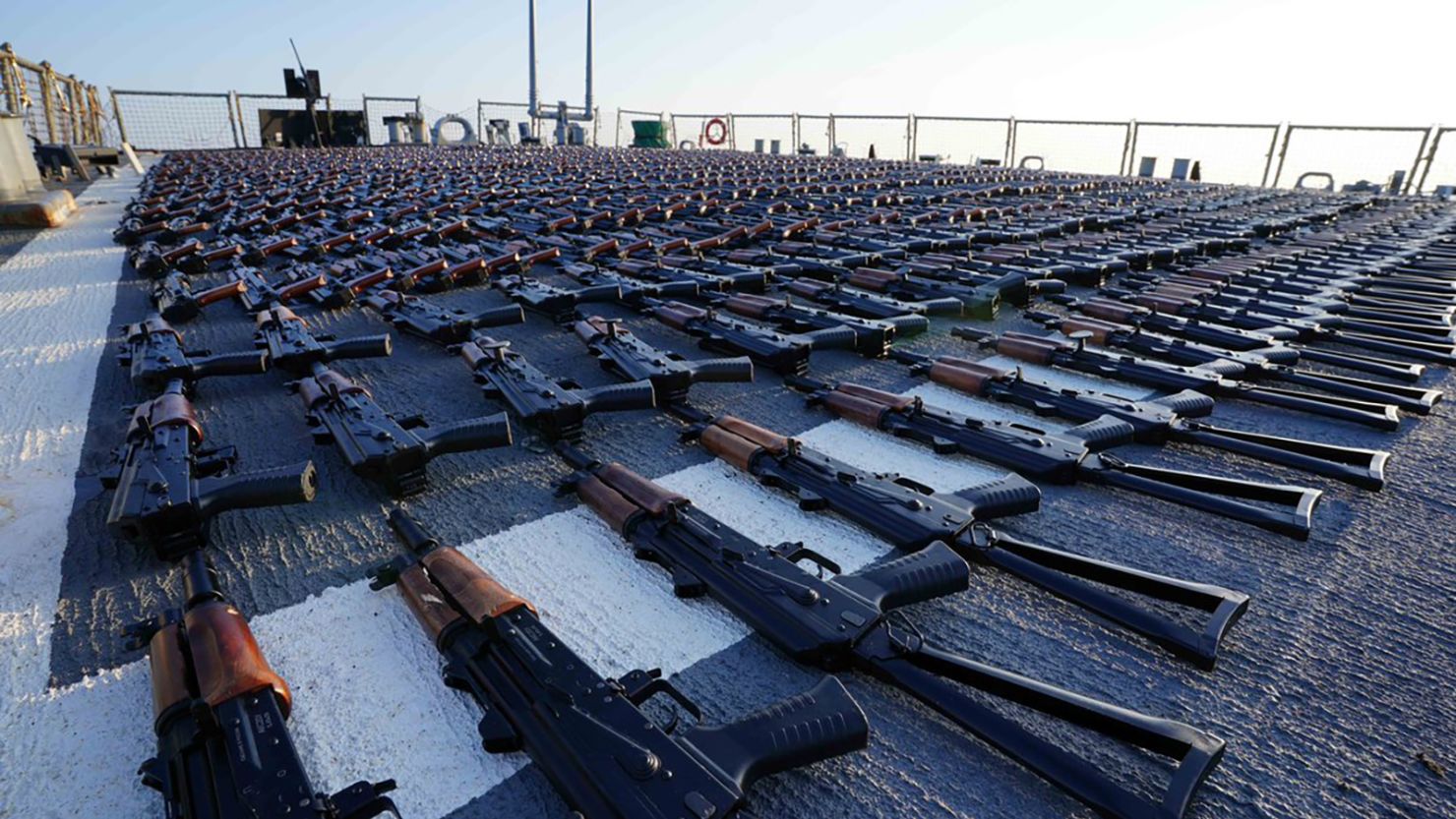
When you take everything away from a country, they have nothing left to lose. That makes them dangerous. It also makes them creative. Iran’s drone program is a perfect example. They used off-the-shelf components, some even sourced from the West through third parties, to create a fleet that changed the cost-benefit analysis of modern warfare. It costs $20,000 to build a drone and $2 million for the U.S. to shoot it down with a missile. That is the definition of a losing trade.
Why the Rest of the World Stopped Scaring Easily
The "fear factor" is gone. In the 1990s, an American threat of sanctions could crash a currency overnight. Today, countries just call their partners in Beijing or Moscow.
The U.S. underestimated the world’s appetite for a multipolar reality. We aren't in a unipolar world anymore. The Iran war exposed the fact that the U.S. can no longer dictate terms to the entire planet. When the U.S. tried to stop the world from buying Iranian oil, the world basically said "no."
This shift is permanent. Even if a new administration comes in and tries to be "nicer," the trust is broken. The plumbing of global finance is being rebuilt to ensure that no single country can ever hold the world's wallet again. That’s the real legacy of this conflict. It’s the day the dollar stopped being a universal weapon and became just another currency.
The Economic Shadow War You Aren't Seeing
While the headlines focus on missile strikes and naval movements, the real war is happening in ledger books. Iran has mastered the art of "shadow banking." They use a vast network of front companies and exchange houses across the Middle East and Asia to move billions of dollars.
The U.S. Treasury tries to play whack-a-mole, but for every firm they sanction, three more pop up with new names and different directors. It’s an impossible task. This underground economy has become so sophisticated that it’s now a service Iran can export to other sanctioned nations. They’re basically consultants for sanctions evasion.
This creates a parallel global economy. It’s an economy that doesn't care about human rights, Western regulations, or American foreign policy. By using sanctions so aggressively, the U.S. accidentally created a "Sovereign Outlaw Club" that is now large enough to be self-sustaining.
How to Navigate This New Reality
If you’re waiting for things to go back to the "old way" where the U.S. called all the shots, you're going to be disappointed. The world is breaking into trade blocs.
Supply chains are being rewritten. Smart companies aren't just looking for the cheapest labor anymore; they’re looking for the safest jurisdiction. They’re asking: "Will my assets be seized if my home country and the host country have a falling out?"
You need to pay attention to where the pipes are being laid. Look at the International North-South Transport Corridor (INSTC). Look at the expansion of the Shanghai Cooperation Organization. These aren't just talk shops. They’re the infrastructure of a post-American economic era.
The U.S. will remain a massive power, but it’s no longer the only power. The Iran war didn't start this trend, but it certainly finished the debate. The coercion era is over. Now, we’re in the era of competition.
Stop looking at sanctions as a sign of strength. They’re actually a sign of a lack of options. A country that has to resort to economic warfare is a country that has run out of diplomatic and political carrots. Start watching the trade numbers between "non-aligned" nations. That’s where the real history of the next decade is being written. Keep your eye on the yuan-oil contracts and the gold reserves of central banks in the Global South. That’s the pulse of the new world. It's a world where Washington's "No" doesn't mean "Stop" anymore—it just means "Take the other road."