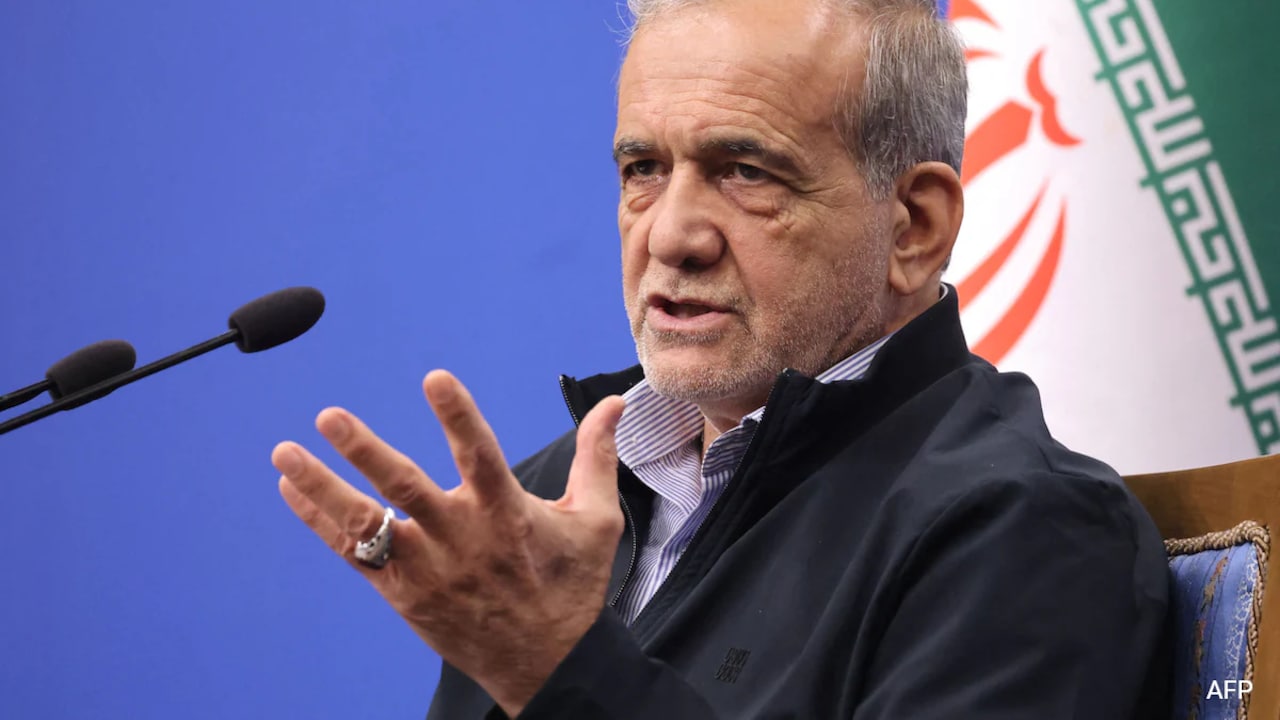
Iranian President Masoud Pezeshkian just dropped a blunt truth about the ongoing conflict with the United States. He argued that Tehran should wrap up the current hostilities while holding the upper hand. It is a striking posture from a nation weathering months of heavy economic pressure and military clashes.
Pezeshkian told a gathering of medical professionals in Tehran that the country needs to close the chapter on this war while keeping its dignity intact. He claimed the global community recognizes Iran's resilience against US and Israeli strikes. But what does this rhetoric actually signal on the ground? Let's look at the underlying reality of the current stalemate.
The Reality Behind The Strength Narrative
When a leader claims to speak from a position of power during an active conflict, critics usually write it off as domestic propaganda. Yet, the situation in the Middle East is far more complex than a simple victory-versus-defeat binary.
Tehran's calculation relies heavily on a few concrete leverage points:
- The partial restriction of traffic through the vital Strait of Hormuz, which disrupts global shipping lanes.
- Persistent domestic unity messages pushed by the Iranian administration and the Supreme National Security Council.
- Highlighting the destruction of civilian infrastructure by coalition strikes to win international sympathy and diplomatic backing.
Pezeshkian specifically defended the 14-point memorandum of understanding brokered in Islamabad back in June, claiming the text contains zero clauses indicating surrender. He insists that every concession in that failed deal fell on Washington's shoulders. Whether external observers agree with that framing or not, it dictates how Tehran's inner circle plans its next diplomatic moves.
The Shift To Economic Warfare
Washington isn't backing down either. US Treasury Secretary Scott Bessent recently announced plans to roll out intense economic pressure aimed squarely at collapsing the Iranian economy. This pivot from heavy kinetic warfare to aggressive financial penalties shows both sides are searching for a way out without losing face.
Iran's Foreign Minister Abbas Araghchi fired back on social media, labeling the planned sanctions campaign an act of economic terrorism. He pointed out that American debt and skyrocketing interest costs create vulnerabilities for Washington too.
Nobody expects a clean, sudden peace treaty to materialize overnight. Both governments remain locked in deep distrust. Pezeshkian made it clear that while his administration prefers a diplomatic exit strategy, any fresh military aggression from the West will meet a fierce, uncompromising response.
Watch how regional mediators handle the fallout from these stalled negotiations over the coming weeks. The window for a negotiated exit is narrowing fast as economic threats scale up.


