The fragile peace in the Middle East is tearing at the seams again. If you think the April ceasefire put a permanent lid on the region's volatility, the latest heavy metal exchange over the Strait of Hormuz proves otherwise.
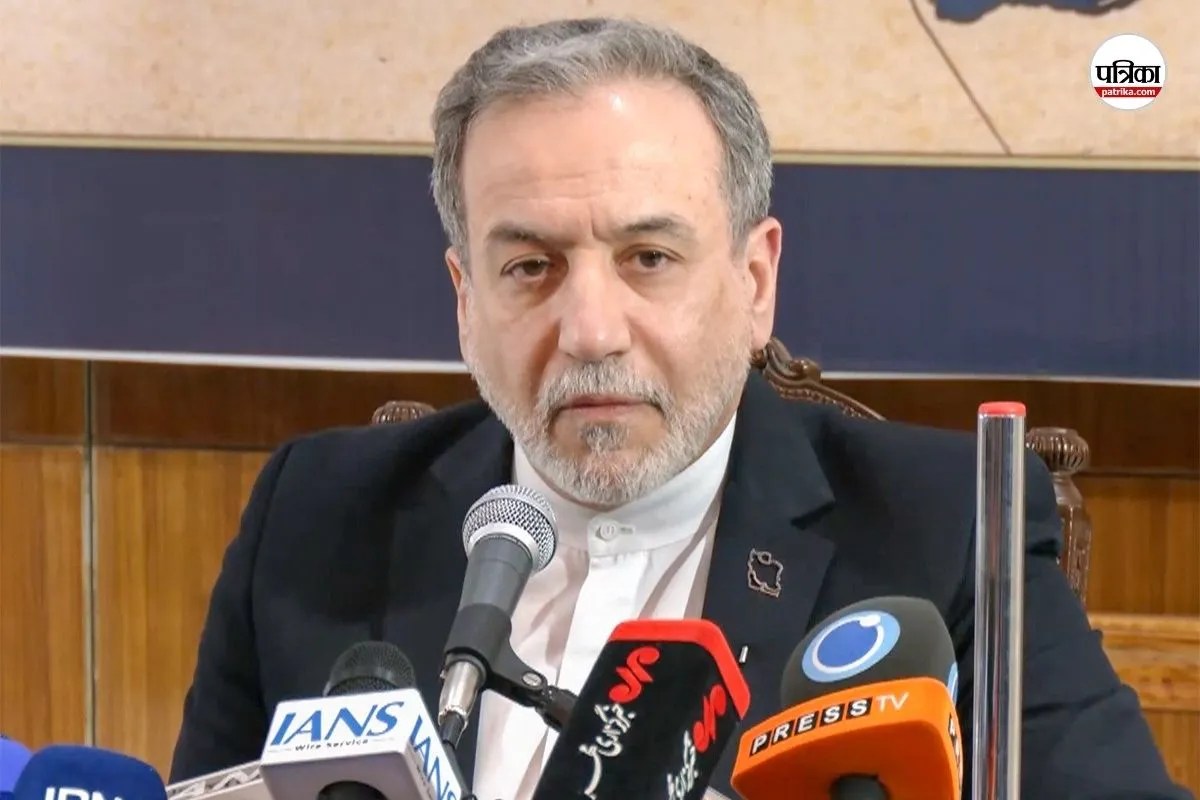
Iranian Foreign Minister Abbas Araghchi just drew a hard line in the sand, explicitly warning Washington that its forces need to pack up and exit the Persian Gulf immediately if they want to stay safe. This isn't just standard diplomatic posturing. It's a direct reaction to a dangerous game of chicken that escalated when a U.S. Army Apache helicopter went down in one of the world's most critical maritime chokepoints.
The underlying reality here is simple. While politicians talk about final negotiations, the physical forces on the water and in the air are actively trading blows.
The Spark That Reignited the Gulf
Everything went sideways when U.S. President Donald Trump announced on Truth Social that Iran had shot down a highly sophisticated AH-64 Apache helicopter patrolling over the Strait of Hormuz. The two American pilots were rescued at sea by a small vessel assigned to Navy Task Force 59. Trump made it clear that Washington had to respond.
The Pentagon didn't wait long. U.S. Central Command ordered self-defense strikes against Iranian assets in southern Iran. American fighter jets hit Iranian air defense systems, ground control stations, and radar sites around Bandar Abbas and Qeshm Island. CENTCOM called the move a proportional response to unjustified aggression.
Tehran's counter-argument? They claim the Apache actually collided with an Iranian drone. But instead of de-escalating, Iran's paramilitary Revolutionary Guard went on the offensive, launching drone and missile strikes at regional bases hosting American troops, including targets in Bahrain and Kuwait, alongside an airbase in Jordan.
Deconstructing the Iranian Ultimatum
Araghchi took to social media to deliver a blunt warning. He stated that Iran's armed forces will leave no threat unanswered, adding that the history of the Persian Gulf is full of chapters detailing the dire fates of "intruding outsiders."
You have to look at the geography to understand why Tehran feels so confident taking this stance.
- The Strait of Hormuz is tiny: At its narrowest point, the shipping lane is only about 21 miles wide. Iran shares these waters with Oman. It's not a vast ocean; it's a tight corridor.
- Proximity vs. Distance: Araghchi pointedly reminded everyone that this strait is thousands of miles away from U.S. shores but directly borders Iran.
- The Risk of Chaos: Tehran is arguing that foreign military assets in such a cramped space face extreme risks from simple human error, technical accidents, or getting caught in sudden crossfire.
By telling the U.S. to leave the region, Iran is attempting to shift the blame for any future economic or military chaos onto Washington's presence. They're trying to establish a narrative that as long as American ships and aircraft are there, peace is impossible.
The Massive Toll on Global Markets
This isn't just a localized dispute between two governments. The Strait of Hormuz is the world's most important oil transit artery. Roughly a fifth of the world's petroleum passes through it daily.
Because of the recent exchange of fire and the disruption to shipping lanes, global energy prices are jumping. When oil spikes, everything else follows. Food, shipping logistics, and everyday consumer goods get more expensive worldwide.
Trump has been pushing hard for a permanent peace deal, claiming negotiators are in the final stages of talks. But Iran is demanding a massive price for cooperation. They want a total lifting of economic sanctions and a regionwide ceasefire that includes a halt to Israeli operations against Hezbollah in Lebanon. Until those conditions are met, Tehran has shown it's perfectly willing to use its geographic leverage over the strait to keep the global economy on edge.
What Needs to Happen to Stop a Wider War
The situation on the ground shows that a paper ceasefire doesn't mean much when armed drones and attack helicopters share the same airspace. If you want to see where this conflict goes next, watch the diplomatic movements in Oman and the shifting security posture of the U.S. Navy's 5th Fleet in Bahrain.
To prevent an accidental slide into a catastrophic regional war, both sides have to immediately establish direct military-to-military communication channels to clarify accidents like drone collisions before the fighter jets are scrambled. Watch the energy markets and shipping insurance rates over the next 48 hours. If commercial tankers continue to divert around Africa instead of risking the strait, the economic pressure will force Washington to either escalate its military escorts or make major concessions at the negotiating table.