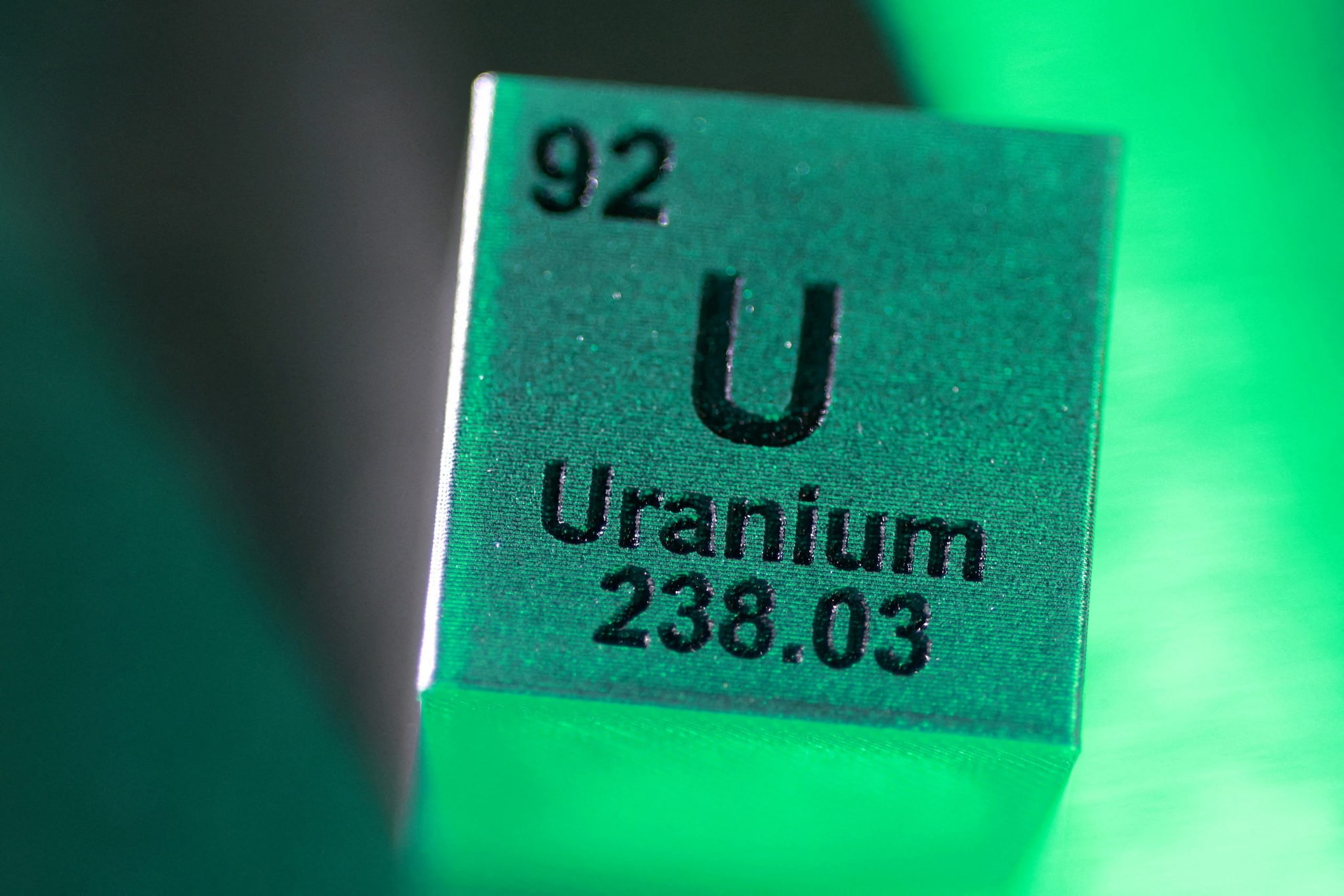
Iran just drew a hard line in the sand, and it complicates everything for Washington and Tel Aviv. Supreme Leader Ayatollah Mojtaba Khamenei issued a direct order stating that the country's stockpile of near-weapons-grade enriched uranium cannot leave Iranian soil. This move directly defies a central American demand in ongoing peace negotiations.
The decision shifts the entire dynamic of the fragile talks aimed at ending the US-Israeli war on Iran. While negotiators have apparently narrowed minor gaps behind closed doors, this directive shows that the core of Iran's nuclear leverage isn't up for grabs. If you're wondering why Tehran is digging its heels in now, the answer comes down to survival, leverage, and deep structural distrust.
The Standby Leverage Tehran Refuses to Lose
For Donald Trump and Benjamin Netanyahu, shipping Iran’s 60% enriched uranium out of the country is non-negotiable. Netanyahu openly declared that the war won't be considered over until that stockpile vanishes, proxy networks dismantle, and ballistic missiles hit the scrap heap. Trump even gave explicit assurances to Israel that any final peace deal would force the material out.
But inside Iran's leadership, the perspective looks entirely different. Top officials believe that giving up the stockpile would make them sitting ducks. If they ship it out, they lose their ultimate deterrent against future strikes by the West or Israel.
Before the outbreak of full-scale hostilities, Iran actually hinted it might export about half of its 60% enriched material. That flexibility vanished the moment threats of direct mainland strikes started flying from Washington. Now, the official consensus in Tehran is absolute. The uranium stays.
What is Left of the Nuclear Stockpile
When joint US and Israeli forces struck Iranian nuclear facilities in June 2025, the International Atomic Energy Agency (IAEA) estimated Iran held 440.9 kilograms of uranium enriched to 60%. How much survived those bombings remains a point of intense debate among intelligence agencies.
According to updates from IAEA chief Rafael Grossi, a significant chunk of the surviving stock sits deep underground. Roughly 200 kilograms are tucked away in a heavily fortified tunnel network inside the Isfahan nuclear facility. The rest is believed to be spread across the massive Natanz complex.
Iran publicly claims this material is vital for medical manufacturing and running a specialized research reactor in Tehran. Yet, the reality is that 60% purity is a short technical step away from the 90% needed for a nuclear warhead. It’s a classic insurance policy.
Fear of Tactical Deception Complicates Peace Talks
The biggest hurdle right now isn't just the logistics of the uranium; it's a profound lack of trust. Iranian insiders admit they view the current pause in hostilities with immense suspicion. They think the temporary lull is a tactical deception engineered by the US to create a false sense of security before unleashing a fresh wave of airstrikes.
Iran’s top peace negotiator, Mohammad Baqer Qalibaf, warned that "obvious and hidden moves by the enemy" point to Washington preparing new attacks. Because of this, Iran refuses to hash out detailed nuclear concessions until they get a permanent end to the war and ironclad, credible guarantees against future aggression.
Is There a Way Out of the Deadlock
The situation looks like an absolute stalemate, but a total breakdown isn't inevitable. Iranian sources hint at potential compromises that don't involve loading the uranium onto a cargo plane.
One proposed solution involves diluting the 60% stockpile back down to lower enrichment levels under strict IAEA supervision. This would effectively destroy the immediate weapons potential of the material without forcing Tehran to physically surrender it. Whether this satisfies Netanyahu's demand for total removal remains highly doubtful.
Right now, the ball sits in Washington's court. Trump has to decide whether to authorize a fresh round of military operations to force compliance or accept a compromised inspection deal that leaves Iran's domestic infrastructure intact. For global energy markets and regional stability, the stakes couldn't be higher as Pakistan-mediated talks continue under the shadow of this new directive.
To monitor how this deadlock impacts global stability, track the upcoming IAEA compliance reports and official statements from the mediation teams in Islamabad. Watching the daily shipping volume through the Strait of Hormuz will also offer immediate clues on whether regional tensions are cooling down or boiling over.


