Geopolitical commentators are panicking over reports that Iran intends to enforce strict new permit regulations for transit through the Strait of Hormuz. The mainstream media is dusting off its favorite doomsday charts. They want you to believe that a single bureaucratic pivot by Tehran will choke global energy supplies, send oil prices past $150 a barrel, and bring maritime trade to a grinding halt.
They are wrong. They are falling for a classic piece of geopolitical theater.
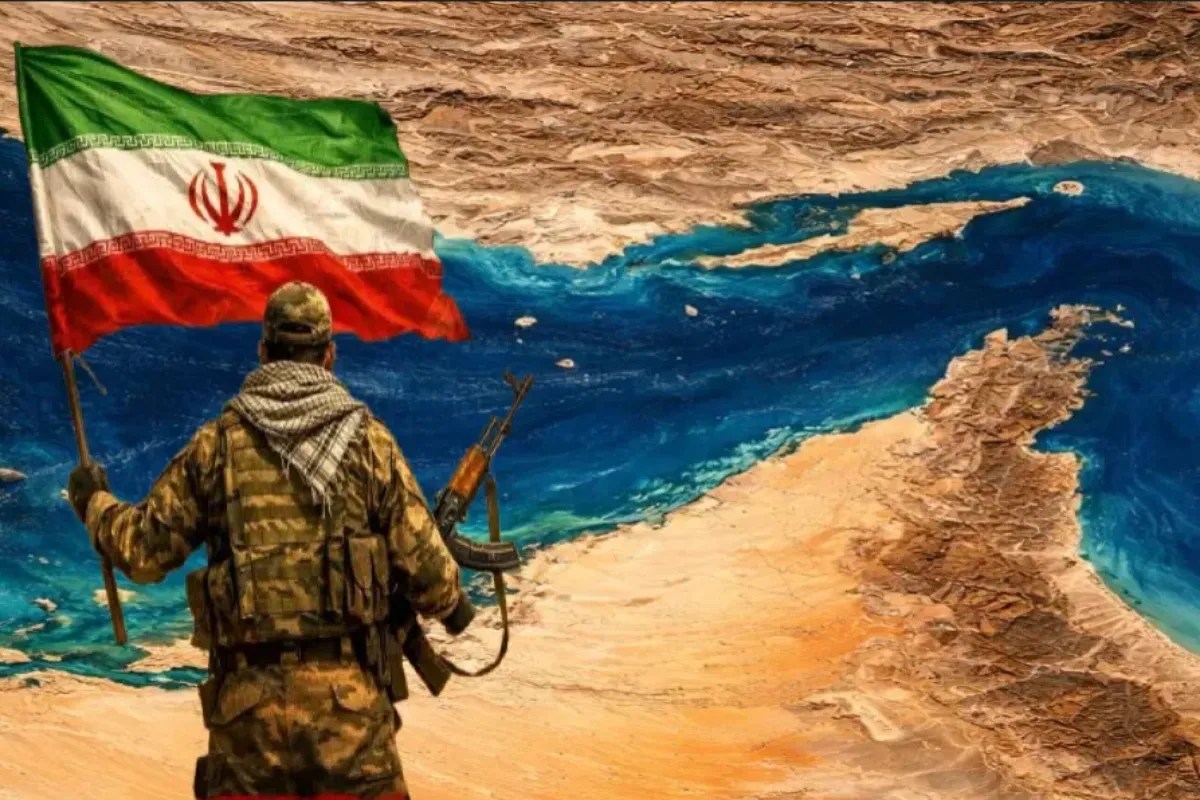
The lazy consensus treats the Strait of Hormuz as a fragile choke point controlled by a single switch. This view ignores the actual mechanics of maritime law, global logistics, and state-sponsored brinkmanship. Forcing ships to get a permit before entering the strait sounds menacing on paper. In reality, it is a desperate attempt to gain diplomatic leverage, not a viable blueprint for an economic blockade.
Let us break down why this threat is functionally toothless and why the global markets barely blinked.
The Illusion of Absolute Control over International Straits
The core argument driving the panic is that Iran can legally treat the Strait of Hormuz as its private territorial waters. It cannot.
The legal framework governing this waterway is governed by transit passage under the United Nations Convention on the Law of the Sea (UNCLOS). While Iran has not ratified UNCLOS, the United States and the international community recognize transit passage as customary international law.
- Transit Passage: Ships and aircraft of all nations enjoy the right of unimpeded transit passage through such straits for the purpose of continuous and expeditious navigation.
- The Overlap: The strait is narrow, meaning the territorial waters of Iran and Oman overlap. However, this does not grant either nation the right to arbitrarily suspend or condition passage on political whims.
If Tehran attempts to enforce a permit system, it is not merely enforcing a local maritime regulation. It is actively violating customary international law.
I have watched risk analysts miscalculate these scenarios for two decades. They assume that because a country occupies the geography, it can effortlessly dictate the terms of trade. They forget that enforcing a permit system requires compliance from the other side. If a commercial supertanker backed by a naval escort ignores the demand for a permit, Iran faces a brutal binary choice: let it pass and expose the rule as a bluff, or fire the first shot and trigger an asymmetrical military response it cannot survive.
The Flawed Premise of "People Also Ask" About Hormuz
Look at the questions floating around the internet right now. People are asking: Can Iran permanently close the Strait of Hormuz? or How high will gas prices go if the strait is blocked?
These are the wrong questions. They assume a total, prolonged shutdown is achievable.
A brutal look at the operational reality shows why a permanent closure is a fantasy. Closing a strait requires physical denial. This means mining the waters, deploying anti-ship missile batteries, or utilizing swarm tactics with fast attack craft.
Imagine a scenario where Iran attempts to enforce its new permit rules by seizing a non-compliant vessel. What happens next? The U.S. Fifth Fleet, alongside combined maritime forces, does not simply issue a press release. They implement convoy systems.
When you look at the actual data from historical conflicts like the Tanker War of the 1980s, shipping did not stop. Insurance premiums skyrocketed, routes adjusted, and naval escorts became mandatory. The United States launched Operation Earnest Will, reflagging Kuwaiti tankers and protecting them with direct military intervention. The result? Oil kept flowing.
To believe that a permit requirement will fundamentally rewrite global trade is to ignore the historical precedent that the global economy will bear almost any security cost to keep the oil moving.
The Real Winner of This Escalation is Not Tehran
The mainstream narrative claims this regulatory move puts Iran in the driver's seat of global energy policy. The opposite is true. Every time Tehran threatens the strait, it accelerates its own economic obsolescence.
The global energy supply chain is not static. It adapts to risk.
| Country / Region | Strategic Mitigation Response to Hormuz Threats |
|---|---|
| Saudi Arabia | Increased utilization of the East-West Pipeline to the Red Sea, bypassing the gulf entirely. |
| United Arab Emirates | Routing crude through the Habshan–Fujairah pipeline directly to the Gulf of Oman. |
| Global Buyers | Accelerating supply diversification toward West African, North Sea, and American shale producers. |
By introducing bureaucratic friction under the guise of "permits," Iran is forcing its primary buyers—chiefly China—to calculate the long-term risk of relying on the Persian Gulf. Beijing does not tolerate supply chain instability. If the Strait of Hormuz becomes a regulatory minefield, China will simply accelerate its investments in overland pipelines through Central Asia and Russian energy infrastructure.
Iran is playing a short-term hand for domestic propaganda and minor diplomatic leverage. In doing so, it damages its long-term status as a reliable energy corridor.
The Invisible Financial Safety Valves
Let us address the financial side of this lazy consensus. The common wisdom says: Permit requirements equal shipping delays, delays equal supply shocks, supply shocks equal economic collapse.
This line of thinking completely misses the financial architecture built to absorb these exact shocks.
First, global strategic petroleum reserves (SPR) are designed specifically for disruptions of this nature. A regulatory slowdown in the strait does not instantly dry up the pumps in Europe or Asia. It triggers a coordinated release of reserves to stabilize prices while logistics teams reroute assets.
Second, the shipping industry is highly adept at dealing with rogue bureaucracy. Ships routinely alter their flags of convenience, obscure their ownership structures through shell companies, and utilize dark fleets to bypass sanctions and local regulations. A permit system will not stop shipping; it will merely create a lucrative black market for compliance documentation and alternative routing.
Admittedly, there is a downside to this contrarian view. The cost of doing business will rise. Freight rates will climb. Maritime insurance syndicates like Lloyd's of London will expand their "Listed Areas" and slap war risk premiums on every hull entering the gulf. But an increase in the cost of shipping is a far cry from the total economic blockade the alarmists are predicting. It is a tax on trade, not a cessation of it.
Stop asking how the world will survive a closed Strait of Hormuz. Start looking at how the world has already spent forty years building the infrastructure to make sure the strait never needs to be closed for the global economy to function. Iran's new permit rules are not a chokehold. They are a loud, expensive, and ultimately desperate cry for attention from a nation that knows its geographic leverage is slipping away by the year.