The Distance Between a Seed and a Salad
Morning arrives early in the fields of Guanajuato. Before the sun burns the mist off the green rows, hands are moving. Fast. Methodical. Millions of heads of romaine, iceberg, and leaf lettuce are sliced, bundled, washed, and packed into plastic clamshells destined for grocery store refrigerators thousands of miles away.
To the shopper in Ohio or New Jersey, that salad bag represents modern convenience. It is clean. It is pre-washed. It sits quietly on a shelf next to the dressing.
It is also an act of faith.
You trust the label. You trust the brand stamped neatly on the plastic film. You assume that somewhere between the sun-baked soil of Mexico and your neighborhood supermarket, a rigorous, unbreakable shield of oversight protected every single leaf from invisible harm.
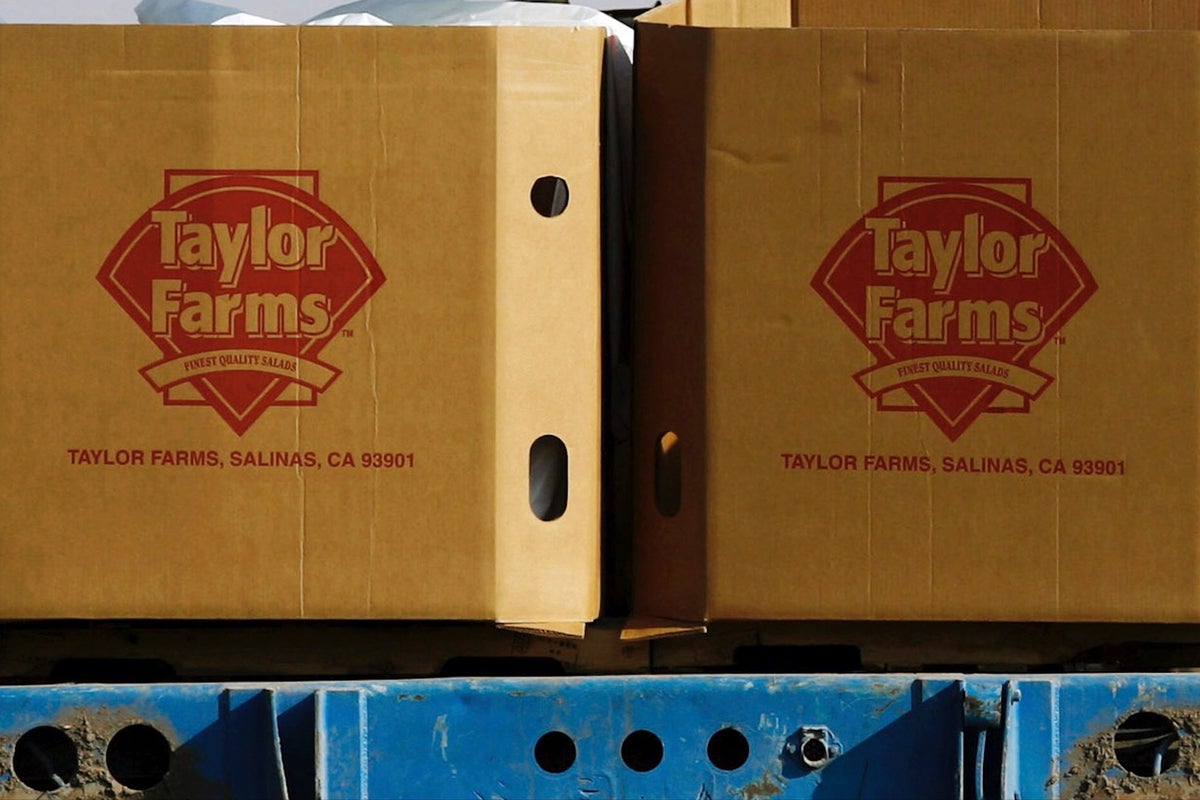
Recent events shattered that assumption. Two separate recalls involving Taylor Farms products exposed a stark, unsettling reality of the modern American food supply. Regulators missed the warning signs. Cross-border supply chains proved porous. And millions of consumers stood one bite away from a pathogen that could hospitalize them.
We live in a system designed for speed, not safety.
When Convenience Outpaces Control
Consider what happens next when a massive agricultural enterprise spans international borders.
Imagine Maria. She is a fictional quality assurance manager tasked with overseeing processing lines in a facility handling fresh-cut produce sourced from multiple international farms. Maria knows the math. Thousands of pounds of greens pass through her facility every single hour. She has minutes to spot anomalies.
Now, multiply Maria by the sheer scale of the United States food import market. We consume produce grown under varying regulatory standards, in different watersheds, using agricultural water supplies that face drastically different levels of municipal monitoring.
When a recall hits, the public usually learns about it through a dry, bureaucratic press release issued days or weeks after the contaminated food has already been eaten, digested, or thrown away.
Taylor Farms found itself at the center of this storm following regulatory alerts concerning potential contamination risks linked to Mexican produce operations. The specifics of the recalls matter—E. coli and Listeria do not negotiate—but the deeper failure is systemic.
Regulators operate with limited resources. Food safety inspections at foreign farms exporting to the United States occur far less frequently than domestic inspections. The Food and Drug Administration inspects only a tiny fraction of foreign food facilities each year.
That is not a safety net. That is a sieve.
The Geography of Vulnerability
Why Mexico? The question carries geopolitical sensitivity, but the mechanics are purely logistical.
The United States imports a massive share of its fresh vegetables during the winter and spring months from regions south of the border. Climate, labor costs, and year-round growing seasons make it an economic necessity for distributors seeking to keep salad on American plates twelve months a year.
Yet, agriculture is fundamentally biological. It relies on water, soil, and human hands.
If irrigation water in a foreign watershed becomes compromised by runoff from nearby livestock operations, no amount of chlorinated wash water at a processing plant can guarantee total eradication of persistent pathogens. Bacteria hide inside the cellular structure of leafy greens. They cling to microscopic crevices.
When those greens are chopped, mixed together in massive batch bins, and sealed inside modified-atmosphere packaging, a single contaminated head of lettuce can inoculate an entire commercial lot.
The supply chain is optimized for efficiency. It is engineered to minimize days from harvest to plate. But speed is the enemy of thorough testing. By the time lab cultures grow, identify a strain, and trigger a federal alert, the food has moved from shipping containers to distribution centers, and finally to kitchen crisper drawers.
The latency of detection creates a dangerous lag. People fall ill before anyone knows the food is toxic.
The Human Cost Behind the Barcode
Statistics flatten tragedy into numbers. We read that ten people were hospitalized, or fifty fell ill, and our minds skim past the data points.
Talk to someone who survived a severe foodborne illness, and the numbers dissolve into visceral memory.
It starts innocently. A dinner salad. Crisp texture, familiar taste.
Forty-eight hours later, the body wages a violent war against an invader it never invited. Dehydration sets in. Kidneys begin to struggle. Emergency rooms become sterile sanctuaries of IV drips and worried family members. For children and the elderly, the stakes are existential.
This is the hidden cost of our invisible supply chain. We trade local accountability for global abundance, rarely pausing to calculate the human premium attached to cheap, year-round produce.
When regulatory agencies fail to safeguard cross-border agriculture, the burden shifts entirely onto the consumer. We become the final inspectors. We sniff the bag. We check the expiration date. We wash the pre-washed greens again, hoping to strip away what the packing plant missed.
That is an unfair burden. No shopper should need a microbiology degree to safely eat a vegetable.
Rebuilding the Broken Bridge
Fixing this vulnerability requires confronting uncomfortable truths about how our food system operates.
First, transparency must replace corporate opacity. When a major distributor sources produce from international partners, the journey from seed to shipping pallet should be fully traceable by the end consumer via simple, scannable technology. If a farm in Guanajuato or Sonora experiences a water quality issue, automated alerts should immediately flag the corresponding distribution batches before they reach retail shelves.
Second, regulatory bodies must expand their physical and digital oversight beyond domestic borders. Relying on paper audits and voluntary compliance from foreign growers is no longer tenable in an era of hyper-globalized agriculture.
Third, processing technology must evolve. Current washing techniques rely heavily on chemical sanitizers that reduce surface bacteria but fail to penetrate internal tissues where pathogens can hide. Innovation in pulsed light, ultrasonic washing, and biological antagonists must move from academic laboratories into commercial packing facilities.
Until these changes take root, the risk remains.
The next time you stand in the grocery aisle, holding a plastic clamshell of crisp, green leaves, remember the long, quiet journey those greens took to reach your hands.
The soil they grew in is far away. The inspectors who missed them are back at their desks. The safety of your table rests on a system still struggling to catch up with its own ambition.
Open the bag. Rinse the leaves. And hope the invisible harvest is clean.