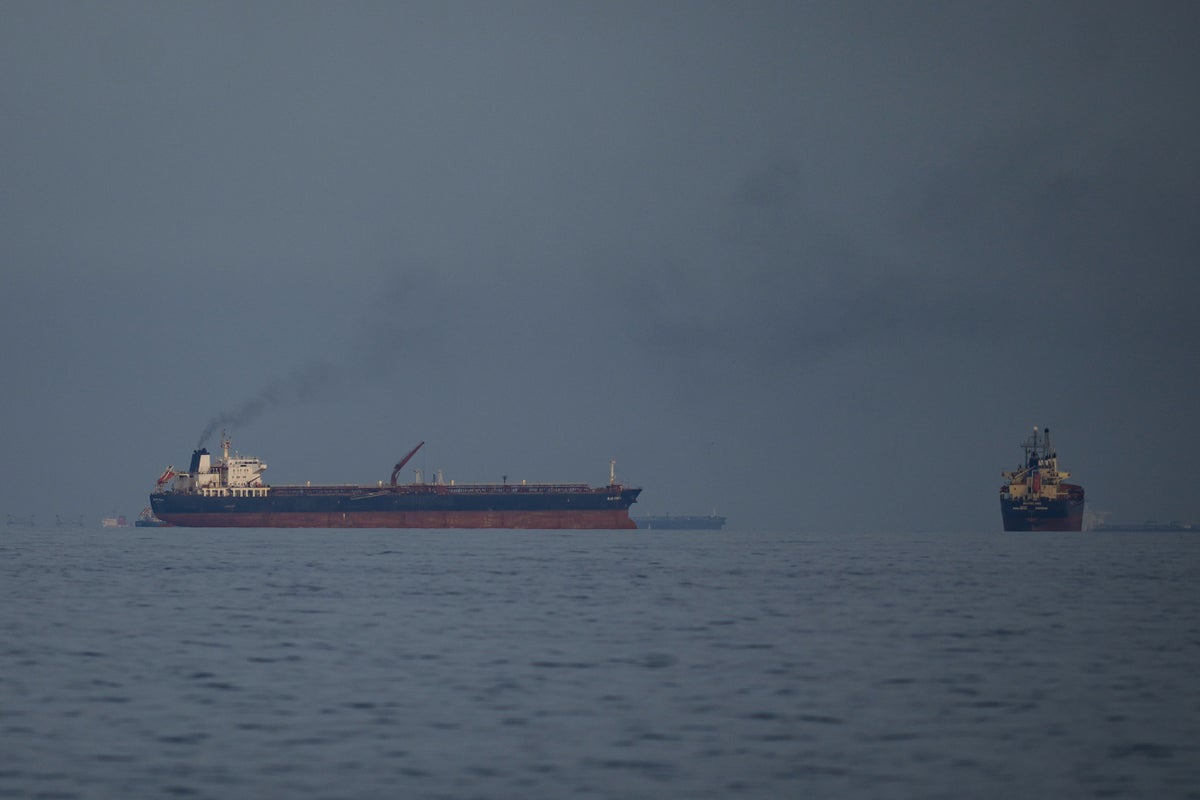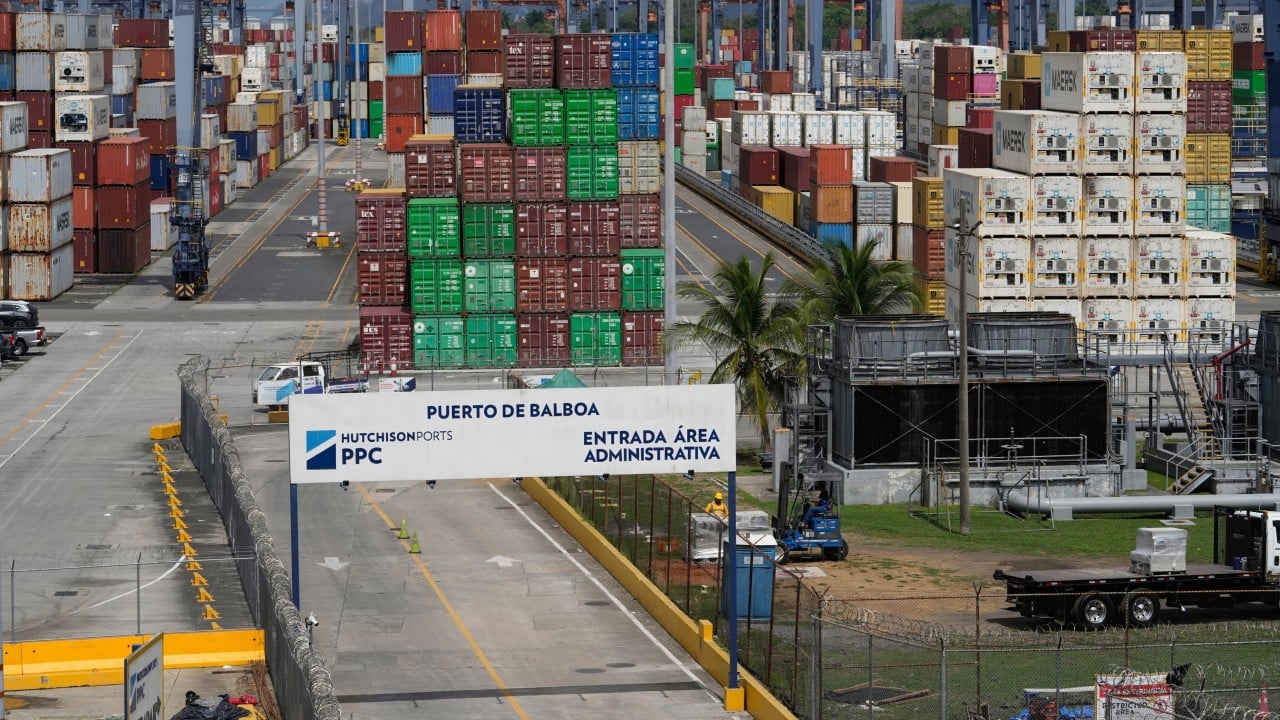
Captain Elias stands on the bridge of a Post-Panamax vessel, a steel behemoth carrying six thousand colorful Lego-brick containers. Below him, the water of the Panama Canal is a murky, historical green. For decades, this ribbon of water was the ultimate shortcut, a triumph of engineering that shaved weeks off a journey from Shanghai to New York. But today, the shortcut feels like a gauntlet.
Elias isn't worried about the Gatun Lake water levels or the mechanical precision of the mules towing his ship. He is worried about a clipboard. Specifically, he is worried about the men in crisp uniforms waiting at the next port of call, representing a superpower thousands of miles away that has suddenly decided to check every single bolt, permit, and sailor’s passport on ships passing through this American-built wonder.
The news cycles call it a "wave of inspections." To the men and women on the water, it feels like a chokehold.
China has begun a systematic, aggressive campaign of maritime "safety" checks on vessels linked to Panama. On the surface, it looks like bureaucracy. In reality, it is a masterclass in soft-power strangulation. This isn't just about shipping; it is a high-stakes game of geopolitical chess where the board is the ocean and the pieces are the very goods sitting in your pantry right now.
The Paper Shield
Imagine you are running a small business. Suddenly, a massive conglomerate—one that provides 40% of your supplies—starts auditing your delivery drivers every single day. They check the tire pressure. They verify the driver’s middle name. They scrutinize the font size on the manifest. They don't find "crimes," but they find "delays." In the world of global logistics, a delay is a slow-motion heart attack.
This is the reality for the Panama Ship Registry.
Panama holds the "Flag of Convenience." It is the largest ship registry in the world. Thousands of vessels fly the Panamanian blue and red because it’s efficient and business-friendly. But China has turned that flag into a target. By targeting Panamanian-flagged ships for "Port State Control" inspections, Beijing is sending a message that vibrates through the hull of every merchant ship on the sea.
Why now? Because Panama and China are locked in a quiet, bitter row over the management and future influence of the Canal itself. China is the second-largest user of the waterway. They want more than just passage; they want a say in the mechanics of the Western Hemisphere's most vital artery. When Panama pushed back, the clipboards came out.
The Cost of a Minute
We tend to think of global trade as a series of lines on a map. We forget that those lines are made of money, fuel, and human exhaustion.
When a Chinese inspector boards a ship in Ningbo or Shenzhen and decides to spend twelve hours "verifying" the structural integrity of a lifejacket rack, the ripples are felt globally. The ship misses its window at the next port. The fuel costs for "speeding up" to make up time soar into the hundreds of thousands of dollars. The crew, already stretched thin by months at sea, loses their rest hours to paperwork and interrogation.
It is a war of attrition where no shots are fired. Instead, the weapon is the "deficiency report."
If a ship accumulates enough of these reports, its insurance premiums skyrocket. Charterers—the companies that actually own the oil or the iPhones inside the containers—start to get nervous. They look at the Panamanian flag and see a liability. They begin to wonder if it’s safer to register their ships elsewhere. This is exactly what Beijing wants: the erosion of Panama’s maritime sovereignty through the sheer weight of administrative pressure.
The Ghost of the Canal
To understand the emotional core of this dispute, you have to look at the dirt. The Panama Canal isn't just a ditch; it is the soul of a nation. For the better part of a century, it was a colonial outpost, a "Zone" where the stars and stripes flew and Panamanians were outsiders in their own heartland. Since the 1999 handover, the Canal has been a point of fierce national pride.
Now, that pride is being tested by a new kind of empire.
Unlike the Americans, who built the locks with concrete and steam shovels, the Chinese influence is built with credit lines and infrastructure bids. When Chinese state-owned enterprises lose out on contracts to bridge the canal or manage its ports, the "safety inspections" intensify. It is a feedback loop of industrial spite.
Consider a hypothetical shipowner named Sofia. She runs a modest fleet out of Piraeus. She chooses the Panama flag because it’s what her father used. It represents stability. But after her third ship is detained in a Chinese port for "improperly labeled bilge pumps," she faces a choice. She can stay loyal to the flag and risk bankruptcy, or she can defect to a flag that Beijing finds more... agreeable.
When Sofia switches flags, Panama loses revenue. When thousands of Sofias switch flags, Panama loses its seat at the head of the maritime table.
The Invisible Stakes
Why should a person buying a laptop in London or a bag of coffee in Seattle care about a dispute over Panamanian paperwork?
Because the sea is a delicate machine.
When one cog—the world’s largest registry—is targeted by the world’s largest manufacturing hub, the friction generates heat. That heat manifests as inflation. It manifests as supply chain "glitches" that leave shelves empty. But more importantly, it marks the end of an era where the rules of the sea were supposedly neutral.
The ocean used to be the last "open" space. Now, it is being partitioned by digital checklists and port-side intimidation. We are witnessing the weaponization of the mundane. A "safety check" is no longer about saving lives; it is about leveraging a ship’s schedule to win a diplomatic argument.
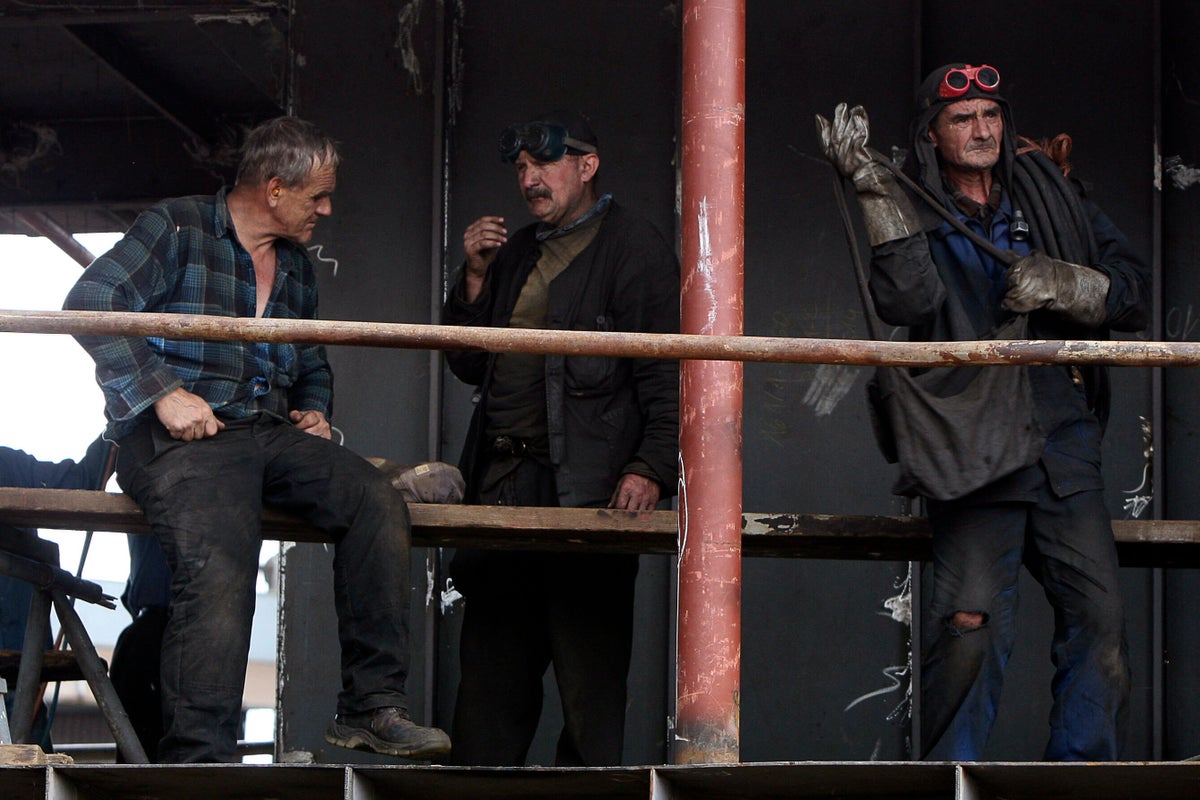
There is a psychological toll on the sailors, too. They are the pawns in this game. Imagine being a third mate who has been at sea for six months. You are three days from going home. Then, an inspector boards and tells you that because of a technicality in your vessel's registration, the ship is grounded indefinitely. You are not a criminal. You are just a casualty of a "wave of inspections."
The Breaking Point
Panama is not a military power. It cannot send a fleet to the South China Sea to demand fair treatment. Its only defense is the law—and the law is notoriously slow when a ship is burning $50,000 a day in port fees.
The tension is mounting because China knows it holds the cards. They are the customers. In the brutal logic of modern commerce, the customer is always right, even when the customer is using a microscope to find "faults" that didn't exist a week ago.
This isn't a "game-changer," to use a tired phrase. It is an old-fashioned squeeze. It is the schoolyard bully holding a student’s backpack just high enough so they can’t reach it, smiling all the while and saying they are just "holding it for safety."
The Weight of the Flag
Back on the bridge, Captain Elias watches the sun set over the Pacific entrance of the Canal. He looks at the flag fluttering from the stern. To him, it’s just cloth. To the Republic of Panama, it’s a billion-dollar industry. To China, it’s a pressure point.
The inspections will continue. The reports will pile up. The lawyers in Panama City will draft frantic letters to the International Maritime Organization, and the diplomats in Beijing will respond with polite, scripted concern about "elevating safety standards for the global fleet."
But the reality is written in the logs of the ships that are now choosing to bypass the Canal or haul down the Panamanian colors. The world is watching a quiet conquest of the waves, one clipboard at a time. The shortcut is getting longer. The price of the passage is no longer just the toll you pay at the locks—it’s the sovereignty you’re forced to leave behind at the dock.
The sea doesn't care about flags or registries. It only cares about the wind and the current. But the men who sail it know better. They know that sometimes, the most dangerous thing on the horizon isn't a storm. It’s a man with a pen and a directive from a distant capital, waiting to turn the world’s most important trade route into a private toll road.
The clipboard is down. The inspection begins. The clock is ticking, and every second costs more than the world is prepared to pay.